Water Heater Leaking From Bottom: Complete Guide to Causes and Solutions

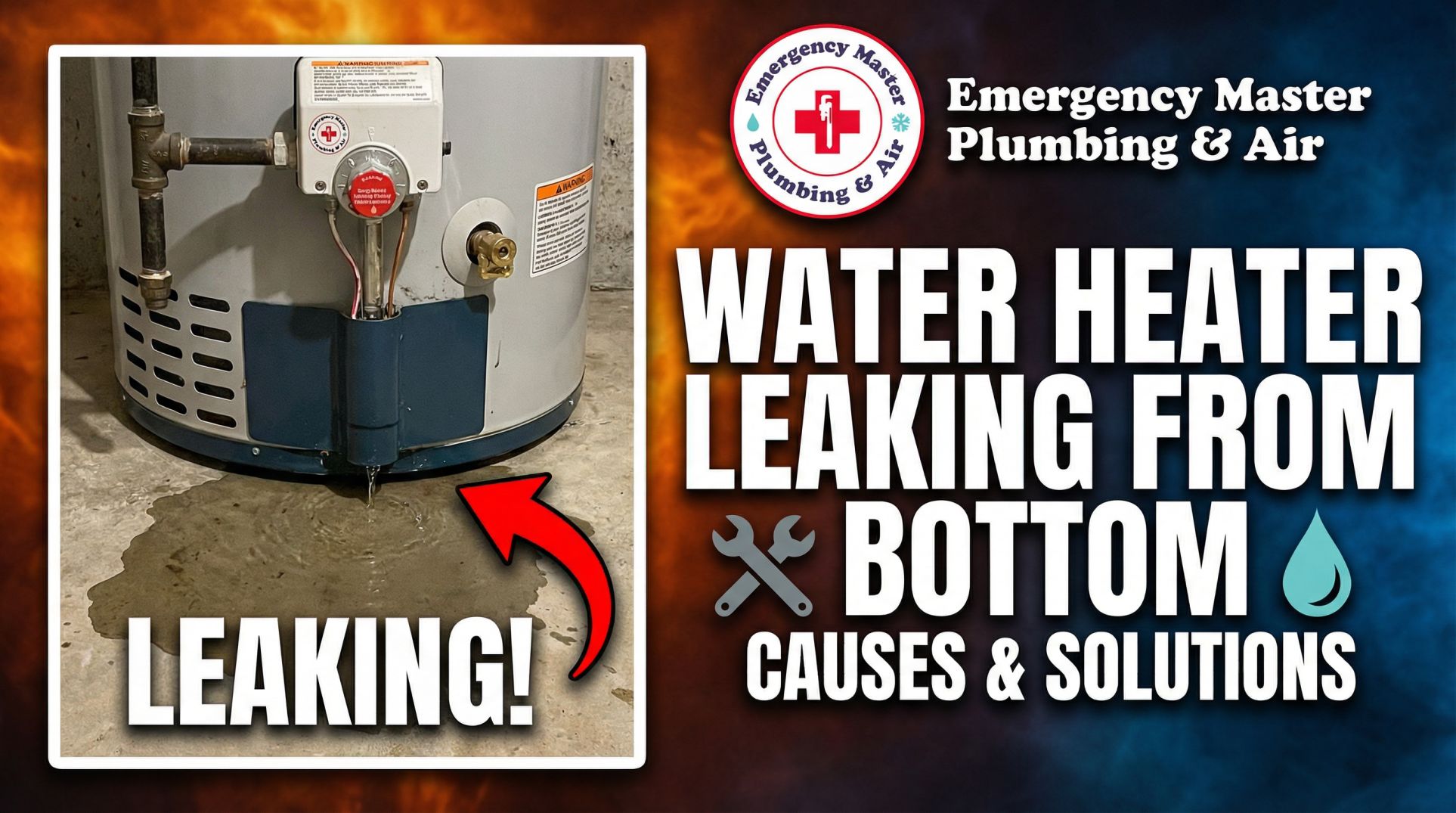
Discovering water pooling around the base of your water heater can trigger immediate concern. This common household emergency affects thousands of Peoria homeowners each year, often appearing without warning. Understanding why your water heater leaks from the bottom and knowing how to respond can save you from costly water damage and extended periods without hot water.
Water heaters typically last 8-12 years, but leaks can develop at any age due to various factors. The location of the leak provides crucial information about the underlying problem and whether you need immediate professional intervention or can attempt a simple fix.
Why Water Heaters Leak From the Bottom
Several components at the base of your water heater can fail and cause leaking. Identifying the exact source helps determine the appropriate solution.
Tank Corrosion and Rust
The most serious cause of bottom leaks is tank deterioration. Water heaters contain a glass lining that protects the steel tank from corrosion. Over time, this lining can crack, exposing the metal to water. Once corrosion begins, it creates holes that leak water. Unfortunately, a corroded tank cannot be repaired and requires complete replacement.
Signs of tank corrosion include rusty water from your hot water taps, discolored water pooling beneath the unit, and visible rust on the tank exterior. If you notice these symptoms, replacement is your only option.
Drain Valve Failure
The drain valve, located near the bottom of the tank, allows you to flush sediment and drain the tank for maintenance. These valves can develop leaks due to loose connections, worn washers, or complete valve failure. Drain valve leaks often start as small drips but can worsen over time.
This issue ranks among the easiest to fix. Tightening the valve connection or replacing the entire valve costs significantly less than a new water heater.
Temperature and Pressure Relief Valve Problems
The temperature and pressure relief valve (T&P valve) serves as a critical safety feature. When tank pressure or temperature exceeds safe levels, this valve opens to release water and prevent tank explosions. The discharge tube from this valve typically extends down the side of the tank toward the floor.
If water drips from the discharge tube, your T&P valve may be releasing due to excessive pressure, or the valve itself might be faulty. This situation requires immediate attention because a malfunctioning T&P valve poses safety risks.
Sediment Buildup and Tank Bottom Damage
Arizona’s hard water contains high mineral content that settles at the tank bottom as sediment. Over years of operation, this sediment layer can become several inches thick, creating hot spots that weaken the tank bottom and accelerate corrosion.
Regular flushing prevents severe sediment accumulation, but once significant damage occurs, you’ll likely need a replacement tank.
Loose or Damaged Connections
Water inlet and outlet connections at the tank top sometimes develop leaks that run down the tank exterior, creating the appearance of a bottom leak. Condensation on cold water pipes can also drip down, mimicking a leak. Carefully inspect all connections before assuming the worst.
How to Diagnose Your Water Heater Leak
Proper diagnosis prevents unnecessary repairs and helps you communicate clearly with professionals when needed.
Start by turning off the water supply to your water heater. Locate the cold water shut-off valve above the unit and turn it clockwise until fully closed. Next, shut off the power supply. For electric units, flip the circuit breaker. For gas models, turn the gas valve to the pilot position.
Dry the area around your water heater completely using towels or a mop. Wait 30 minutes to one hour, then check for new moisture. Note exactly where water appears.
Check the drain valve by feeling around the valve body and connection points. Place a bucket underneath and try gently tightening the valve one-quarter turn. If water continues dripping after tightening, the valve likely needs replacement.
Inspect the T&P valve discharge tube for water. Trace the tube from the valve on the tank side to the floor opening. Water inside this tube indicates the valve activated or is leaking.
Examine the tank bottom for rust spots, discoloration, or active water seepage. Use a flashlight to inspect the area thoroughly, including underneath where the tank meets the base.
Safe DIY Fixes for Common Leaks
Some water heater leaks allow for homeowner repairs, while others require professional expertise.
Tightening the Drain Valve
If the leak originates from the drain valve connection, try tightening it with a pipe wrench. Turn clockwise one-quarter to one-half turn. Avoid over-tightening, which can crack the valve or damage threads. If tightening doesn’t stop the leak, consider replacing the valve.
Drain valve replacement is straightforward for those comfortable with basic plumbing. Drain the tank completely, unscrew the old valve, apply thread seal tape to the new valve threads, and install the replacement. This fix typically costs under $20 for parts.
Managing T&P Valve Leaks
If your T&P valve discharges water, first check your water pressure. Pressure above 80 PSI can trigger the valve. Install a pressure reducing valve on your main water line to maintain pressure between 60-80 PSI.
Test the T&P valve by lifting the test lever briefly. Water should flow freely and stop when you release the lever. If water continues trickling after the test, the valve may need replacement. T&P valve replacement requires draining several gallons from the tank and proper installation to ensure safety.
Addressing Minor Connection Leaks
Leaks from pipe connections often result from loose fittings. Using appropriate wrenches, gently tighten the connection while supporting the pipe to prevent stress on other joints. If tightening doesn’t work, you may need to disconnect the pipe, clean the threads, apply fresh thread seal tape or pipe dope, and reconnect.
When to Call a Professional Plumber
Certain situations demand professional expertise to ensure safety and proper repairs.
Contact a licensed plumber immediately if you discover tank corrosion or rust. A corroded tank will continue leaking regardless of repairs, and attempting to fix it wastes time and money. Professional plumbers can assess the damage, recommend appropriate replacement options, and install a new unit that meets current codes.
Large volumes of water or rapidly worsening leaks require urgent professional response. Significant leaks can damage flooring, walls, and nearby belongings. Quick action minimizes property damage.
If you lack confidence in your repair abilities or the problem seems unclear, professional diagnosis provides peace of mind. Experienced plumbers identify issues quickly and execute repairs correctly the first time.
Gas water heater repairs involving the gas line, pilot light, or burner assembly should always be handled by qualified technicians. Working with gas systems without proper training creates serious safety hazards.
Preventing Future Water Heater Leaks
Regular maintenance significantly extends water heater lifespan and prevents many common leaks.
Flush your water heater annually to remove sediment. Connect a garden hose to the drain valve, run it to a floor drain or outside, and drain 2-3 gallons. This simple task takes 15 minutes and protects your investment.
Test the T&P valve yearly by lifting the test lever for a few seconds. This ensures the valve operates correctly when needed.
Inspect your water heater quarterly. Look for signs of corrosion, check connections for moisture, and verify the area around the base stays dry.
Consider installing a water heater pan beneath your unit, especially for indoor installations. Pans catch leaks before they damage floors and typically include drain connections.
Replace your water heater proactively when it reaches 10-12 years old, even without apparent problems. This timing prevents emergency situations and allows you to choose the best replacement option for your needs.
Get Expert Help in Peoria
When your water heater leaks from the bottom, quick and accurate repairs prevent extensive damage and restore your hot water supply. While some fixes are manageable for homeowners, many situations require professional expertise.
Emergency Master Plumbing & Air serves Peoria and surrounding Arizona communities with experienced water heater repair and replacement services. Our licensed technicians diagnose leaks accurately, recommend cost-effective solutions, and complete repairs efficiently. Whether you need emergency service or scheduled maintenance, we’re here to help.
Contact Emergency Master Plumbing & Air at 623-584-4706 for reliable water heater service. We respond quickly to emergencies and provide upfront pricing on all repairs and replacements.