Common Sink Problems in Scottsdale Homes: A Complete Repair Guide

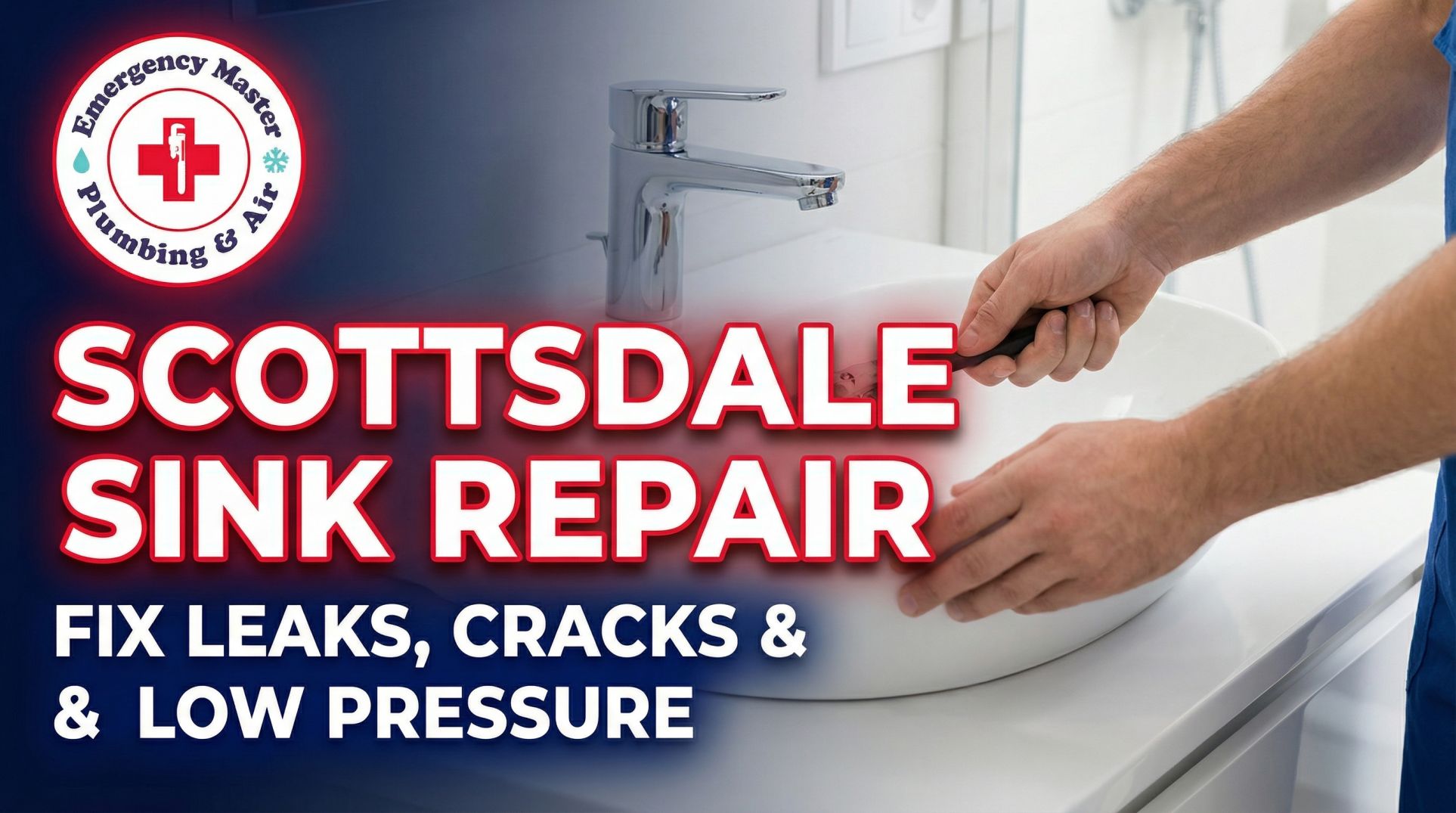
Living in Scottsdale means dealing with unique plumbing challenges that our desert climate and hard water can create. Your kitchen and bathroom sinks work hard every day, and when problems arise, they can disrupt your entire household routine. Whether you’re facing annoying drips, mysterious cracks, or frustratingly low water pressure, understanding these issues helps you make informed decisions about repairs.
This guide covers the most common sink problems Scottsdale homeowners face, what causes them, and when professional help becomes necessary.
Understanding Sink Leaks and Their Hidden Dangers
Sink leaks might seem like minor inconveniences, but they can quickly escalate into expensive problems. A single dripping faucet wastes up to 3,000 gallons of water annually, significantly increasing your utility bills. More concerning, persistent leaks create moisture that damages cabinets, promotes mold growth, and can even compromise your home’s structural integrity.
Most sink leaks originate from worn-out washers, damaged O-rings, or corroded valve seats. The constant mineral deposits in Scottsdale’s hard water accelerate this deterioration. You might notice water pooling under your sink, dampness in the cabinet, or that telltale dripping sound that keeps you awake at night.
Under-sink leaks often go unnoticed until significant damage occurs. Check beneath your sinks regularly for moisture, water stains, or that musty odor indicating mold development. P-trap connections frequently loosen over time, and supply line connections can fail without warning. These hidden leaks waste water and money while creating health hazards you can’t see.
The Hard Water Problem in Scottsdale
Scottsdale’s water ranks among the hardest in Arizona, containing high concentrations of calcium, magnesium, and other minerals. This hard water creates specific challenges for your plumbing fixtures that homeowners elsewhere rarely encounter.
Mineral buildup gradually restricts water flow through your faucet aerators and supply lines. You’ll notice reduced water pressure, uneven spray patterns, and that white, crusty residue around your fixtures. These deposits also damage internal components faster than normal wear and tear would.
Hard water affects different sink materials differently. Stainless steel sinks develop water spots and mineral stains that become increasingly difficult to remove. Porcelain and ceramic sinks may show etching or dullness over time. The faucet finishes can corrode or discolor, making even new fixtures look aged and worn.
Identifying and Addressing Sink Cracks
Cracks in your sink basin might start small, but they never stay that way. Temperature fluctuations, dropped objects, or simple age can cause these fractures. What begins as a hairline crack can expand rapidly, especially when exposed to hot water or cleaning chemicals.
Porcelain sinks are particularly vulnerable to cracking. The rigid material doesn’t flex under impact, so a heavy pot or dropped item can create immediate damage. Once cracked, porcelain allows water to seep into the underlying material, causing rust, deterioration, and eventually, sink failure.
Composite and acrylic sinks resist cracking better than porcelain, but they’re not immune. Heavy use, harsh chemicals, and manufacturing defects can all contribute to crack formation. Small surface cracks might seem repairable with epoxy or patching compounds, but these fixes rarely last. Water finds its way through even the smallest imperfections, undermining any temporary repair.
Cracked sinks pose health risks beyond the obvious water damage. Bacteria and mold thrive in the moisture trapped within cracks. These contaminants can affect your water quality and create unpleasant odors that permeate your kitchen or bathroom.
Low Water Pressure: Diagnosis and Solutions
Low water pressure frustrates homeowners trying to wash dishes, rinse vegetables, or simply fill a pot. This problem has multiple potential causes, and identifying the right one requires systematic investigation.
Start by determining whether the low pressure affects just one sink or your entire home. If only one fixture shows reduced flow, the problem likely involves that specific faucet or its supply lines. When multiple fixtures exhibit low pressure, you’re dealing with a broader plumbing issue that may require professional assessment.
Clogged aerators are the most common culprit for single-sink pressure problems. These small screens at the faucet tip trap sediment and mineral deposits, gradually restricting water flow. Unscrew the aerator, clean it thoroughly with vinegar to dissolve mineral buildup, and reinstall. This simple fix often restores normal pressure immediately.
Partially closed shut-off valves under your sink can also reduce water pressure. These valves control water flow to individual fixtures, and they sometimes get bumped or inadvertently turned during repairs or cleaning. Ensure both hot and cold water valves are fully open.
Corroded or damaged supply lines present more serious pressure issues. These flexible tubes connecting your shut-off valves to the faucet can develop internal buildup or physical damage that restricts flow. Replacing supply lines is relatively straightforward but requires turning off water and properly connecting new lines without leaks.
When DIY Solutions Aren’t Enough
Some sink problems require professional expertise to resolve safely and permanently. Attempting complex repairs without proper knowledge and tools often creates bigger problems and higher repair costs.
Persistent leaks that don’t respond to washer or O-ring replacement might indicate deeper issues. Corroded valve seats, damaged cartridges, or problems with the faucet body itself require specialized tools and replacement parts. Professional plumbers can diagnose these issues quickly and access the specific components your fixture needs.
Low pressure affecting multiple fixtures suggests problems with your main water line, pressure regulator, or even municipal supply issues. These scenarios require diagnostic equipment and expertise beyond typical homeowner capabilities. Professional assessment identifies whether you need pressure regulator adjustment, pipe replacement, or coordination with your water company.
Sink replacements become necessary when cracks compromise structural integrity, when the fixture no longer meets your needs, or when repair costs approach replacement expenses. Professional installation ensures proper fitting, secure mounting, and leak-free connections that DIY installations often fail to achieve.
Preventive Maintenance for Long-Lasting Sinks
Regular maintenance prevents most common sink problems and extends fixture lifespan significantly. Simple habits and periodic inspections save money and avoid emergency situations.
Clean your faucet aerators monthly by removing and soaking them in white vinegar. This dissolves mineral deposits before they restrict water flow or damage internal components. Scottsdale’s hard water makes this maintenance particularly important.
Inspect under-sink areas quarterly for signs of moisture, corrosion, or loose connections. Catching small leaks early prevents water damage and mold growth. Check that supply lines show no bulging, cracking, or corrosion, and ensure P-trap connections remain tight.
Avoid putting harsh chemicals down your drains. These substances can corrode pipes, damage sink finishes, and contribute to plumbing system deterioration. Use enzyme-based cleaners for regular drain maintenance instead of caustic chemical solutions.
Consider installing a water softener to protect your entire plumbing system from hard water damage. While this represents an upfront investment, the long-term savings on repairs, water bills, and fixture replacement often justify the cost.
Emergency Situations Requiring Immediate Attention
Some sink problems demand immediate professional response to prevent catastrophic damage. Recognizing these emergencies helps you act quickly when they occur.
Major leaks or burst supply lines flood your home rapidly. Shut off the water supply immediately using under-sink shut-off valves or your main water valve. Even a few minutes of flooding can cause thousands of dollars in damage to flooring, cabinets, and walls.
Sewage backup through your sink drain indicates serious plumbing system problems. This contaminated water poses immediate health risks and requires professional intervention. Don’t attempt to use the affected fixtures until a licensed plumber clears the blockage and ensures safe operation.
Complete loss of water pressure might signal pipe breaks, valve failures, or supply line issues throughout your home. These problems require immediate diagnosis and repair to restore functionality and prevent water waste.
Professional Sink Repair Services You Can Trust
When sink problems exceed simple fixes, choosing the right plumbing professional makes all the difference. Experience, licensing, and reliable service separate quality contractors from those who create more problems than they solve.
For Scottsdale residents facing sink leaks, cracks, or low pressure issues, Emergency Master Plumbing & Air provides comprehensive repair services backed by expertise and prompt response times. Their licensed technicians understand the unique challenges Scottsdale’s hard water and climate create for plumbing systems.
Whether you need immediate leak repair, pressure diagnosis, or complete sink replacement, professional help ensures the job gets done right the first time. Emergency Master Plumbing & Air serves the Scottsdale area with 24/7 emergency availability, transparent pricing, and workmanship you can trust.
Don’t let sink problems disrupt your home or waste your money. Call Emergency Master Plumbing & Air at 623-584-4706 for reliable Scottsdale sink repair service that fixes leaks, cracks, and low pressure issues permanently.