Complete Guide to Kitchen Plumbing Repair: Solving Leaks, Disposal Issues, and Drain Problems

Your kitchen is the heart of your home, but when plumbing problems strike, even simple tasks like washing dishes or preparing meals become frustrating ordeals. Whether you’re dealing with a persistent drip under the sink, a garbage disposal that won’t turn on, or a drain that backs up at the worst possible moment, understanding these issues helps you take the right action quickly.
Understanding Common Kitchen Sink Leaks
Kitchen sink leaks rank among the most frequent plumbing complaints homeowners face. These leaks waste water, damage cabinets, and create conditions for mold growth if left unaddressed. Most leaks originate from a handful of common sources that share similar warning signs.
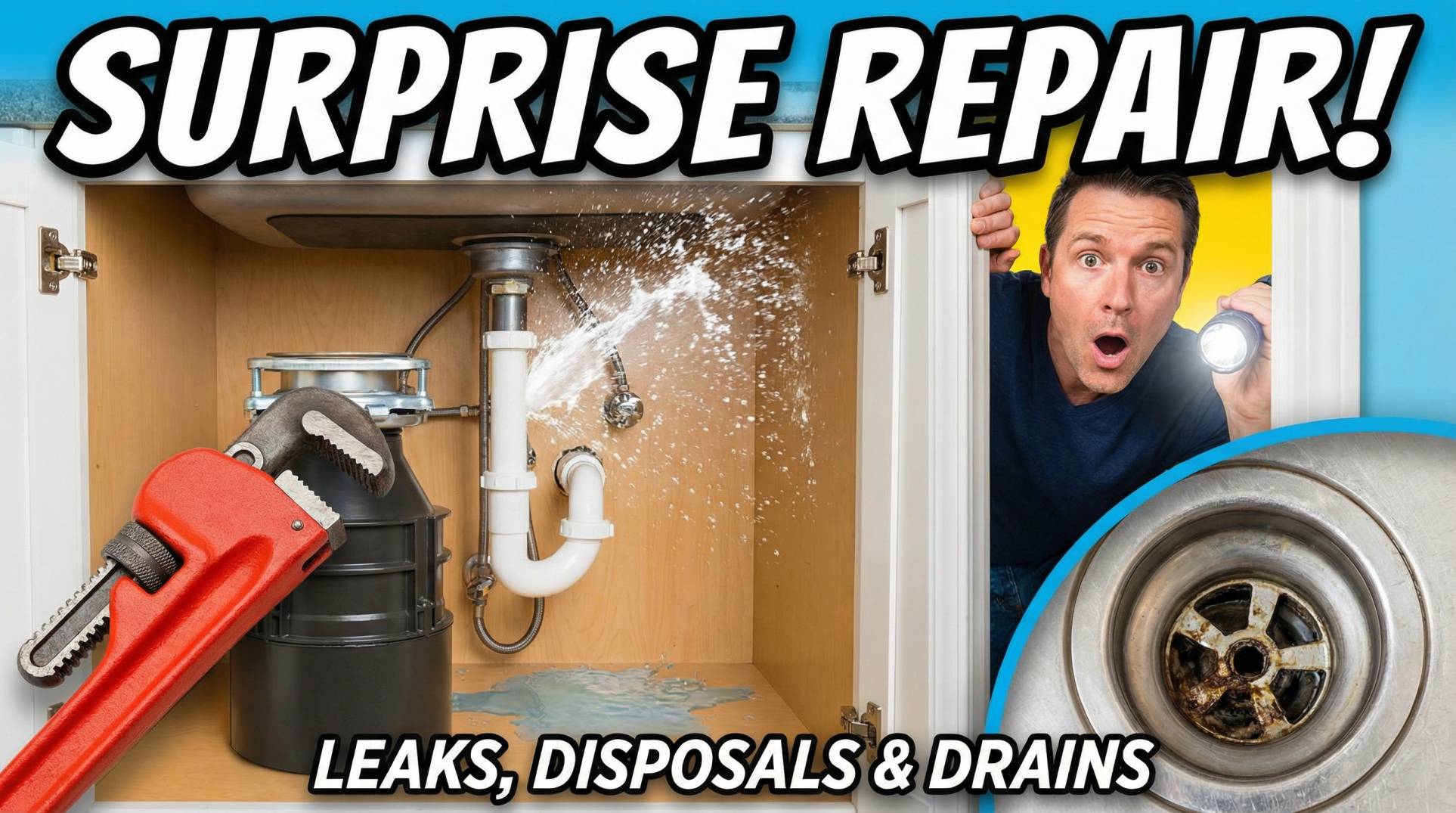
Under-sink leaks typically develop around pipe connections, the faucet base, or the garbage disposal mounting. You might notice water pooling in your cabinet, a musty odor, or warped cabinet materials. Sometimes the leak is obvious, but other times it’s a slow drip that causes damage over weeks or months before you discover it.
The P-trap beneath your sink—that curved pipe section—frequently develops leaks at its connection points. This happens because the compression nuts loosen over time from vibration and temperature changes. If you spot water directly beneath the P-trap or along the drainpipe, this connection likely needs tightening or the gasket may need replacement.
Faucet base leaks occur when the seal between the faucet and sink deteriorates. Water seeps down through the mounting holes and collects in the cabinet below. This type of leak often worsens when you use the faucet, as water pressure forces more liquid through the compromised seal.
Supply line leaks present a different challenge. The flexible tubes connecting your shut-off valves to the faucet can develop cracks, especially older models with rubber components. These leaks might start small but can quickly escalate, potentially causing significant water damage if a line ruptures completely.
Troubleshooting Garbage Disposal Problems
Garbage disposals make kitchen cleanup convenient, but they’re also prone to several common malfunctions. Recognizing the symptoms helps you determine whether you need professional intervention or can resolve the issue yourself.
When your disposal won’t turn on at all, the problem usually stems from electrical issues rather than mechanical failure. Check if the unit has power by pressing the reset button on the bottom of the disposal. This red or black button pops out when the motor overheats or encounters an electrical overload. Simply pressing it back in often restores function.
If the reset button doesn’t solve the problem, verify that the disposal is plugged in securely and that the circuit breaker hasn’t tripped. Disposals draw significant power, and older electrical systems sometimes struggle to handle the load, especially when multiple appliances run simultaneously.
Humming sounds without grinding action indicate the motor runs but the flywheel won’t turn. This typically means something has jammed the grinding mechanism. Never reach into the disposal with your hand. Instead, turn off the power completely, then use the disposal’s hex wrench (or an Allen wrench) in the hole at the bottom center of the unit. Turn it back and forth to dislodge whatever is blocking the flywheel.
Persistent odors from your disposal suggest food particles have accumulated in areas the grinding action doesn’t reach. Flushing the disposal with cold water for 30 seconds after each use helps prevent buildup. For existing odors, grinding ice cubes and citrus peels together provides a natural cleaning solution that freshens the unit without harsh chemicals.
Leaks from the disposal itself require immediate attention. These usually occur at the mounting flange where the disposal connects to the sink, at the discharge tube connection, or from cracks in the disposal body. Mounting flange leaks often just need the mounting bolts tightened, but cracks in the disposal housing mean the unit needs replacement.
Addressing Slow and Clogged Drains
Kitchen drains handle everything from food particles to grease, soap residue, and more. Over time, this material builds up inside pipes, restricting water flow and eventually causing complete blockages. Understanding what causes these clogs helps you prevent them and choose the right solution when problems occur.
Slow draining usually precedes complete blockages. You might notice water pooling in the sink during use or taking several minutes to drain after you finish washing dishes. This early warning sign means material is accumulating in your pipes but hasn’t yet created a full obstruction.
Grease represents the primary culprit behind kitchen drain clogs. Even small amounts of cooking oil, butter, or fat wash down the drain and solidify as they cool. This sticky coating traps food particles, hair, and other debris, gradually narrowing the pipe until water can barely pass through.
Food particles contribute significantly to drain problems, especially starchy foods like rice and pasta that expand when wet, or fibrous vegetables that don’t break down easily. Coffee grounds are particularly problematic—they don’t dissolve in water and instead clump together with grease to form stubborn blockages.
For minor slow drains, mechanical removal often works better than chemical solutions. A basic plunger creates pressure that can dislodge soft clogs near the drain opening. Make sure you have enough water in the sink to cover the plunger cup, then create a tight seal and use firm, rapid plunging motions.
A drain snake or auger reaches deeper clogs that plungers can’t address. This flexible cable extends into your pipes to break up or retrieve obstructions. Feed the snake into the drain slowly, and when you encounter resistance, rotate the handle to break through the clog or hook onto it for removal.
Chemical drain cleaners provide convenience but come with significant drawbacks. These harsh products can damage older pipes, create dangerous fumes, and harm septic systems. They’re also ineffective against many types of clogs, particularly those caused by solid objects or severe grease buildup.
Preventive Maintenance for Long-Term Reliability
Preventing kitchen plumbing problems costs far less than repairing damage after it occurs. Simple habits incorporated into your daily routine significantly reduce the likelihood of leaks, disposal failures, and drain clogs.
Never pour grease or oil down your kitchen drain, regardless of how much water you run with it. Instead, collect grease in a container and dispose of it in the trash once it solidifies. This single practice prevents the majority of kitchen drain clogs.
Use your garbage disposal properly by running cold water before, during, and for 15 seconds after grinding food waste. Cold water keeps grease solid so it can be ground up and flushed away, while hot water actually liquefies grease, allowing it to coat your pipes as it cools downstream.
Avoid putting fibrous vegetables, bones, eggshells, coffee grounds, or expandable foods like rice and pasta down the disposal. These items either don’t grind properly or can swell and create blockages further down the line.
Regular inspections catch small problems before they become emergencies. Once every few months, open the cabinet under your sink and check for moisture, stains, or a musty smell. Inspect all pipe connections, the garbage disposal, and supply lines for any signs of wear or dripping.
Tightening loose connections takes just a few minutes but prevents water damage that could cost thousands to repair. If you notice any connection that feels loose, gently snug it up with a wrench, being careful not to overtighten and crack the fitting.
When to Call Professional Plumbers
Some kitchen plumbing issues require professional expertise, specialized tools, or knowledge of local plumbing codes. Knowing when to call for help prevents minor problems from escalating into major disasters.
Persistent leaks that you can’t locate or fix yourself need professional attention. Hidden leaks inside walls or under floors cause extensive damage before you even know they exist. A qualified plumber has leak detection equipment that pinpoints the exact source without unnecessary demolition.
Complete drain blockages that resist plunging and snaking likely exist deep in your drainage system. Professional plumbers use video inspection cameras to see inside pipes and identify the exact location and nature of the obstruction. They also have powerful hydro-jetting equipment that clears severe clogs without damaging pipes.
Garbage disposal replacement requires working with both plumbing and electrical systems. Improper installation creates leak risks and potential electrical hazards. Professional installation ensures your new disposal is mounted securely, connected correctly, and operates safely.
Multiple simultaneous drainage problems suggest issues with your main drain line rather than individual fixtures. If your kitchen sink, bathroom drains, and other fixtures all slow down or back up together, the problem exists downstream where all these lines converge.
Low water pressure throughout your kitchen, rust-colored water, or persistent strange odors indicate systemic plumbing issues that require comprehensive diagnosis. These symptoms might point to corroded pipes, problems with your water heater, or issues with your home’s main water supply.
Expert Kitchen Plumbing Solutions in Surprise
When kitchen plumbing problems disrupt your daily routine, you need reliable, professional help that resolves issues correctly the first time. Emergency Master Plumbing & Air provides comprehensive kitchen plumbing repair services throughout Surprise and surrounding areas, addressing everything from minor leaks to complete garbage disposal replacements and persistent drain problems.
Our experienced technicians understand the unique challenges Arizona’s hard water and temperature fluctuations create for your plumbing system. We arrive equipped with the tools and parts needed to complete most repairs during the initial visit, minimizing disruption to your household.
Whether you’re dealing with an emergency leak, a disposal that’s stopped working, or drains that won’t clear, we provide prompt, professional service backed by quality workmanship. Don’t let kitchen plumbing problems interfere with your life—call Emergency Master Plumbing & Air at 623-584-4706 for reliable solutions and peace of mind.