
Complete Guide to Water Heater Installation in Surprise, Arizona

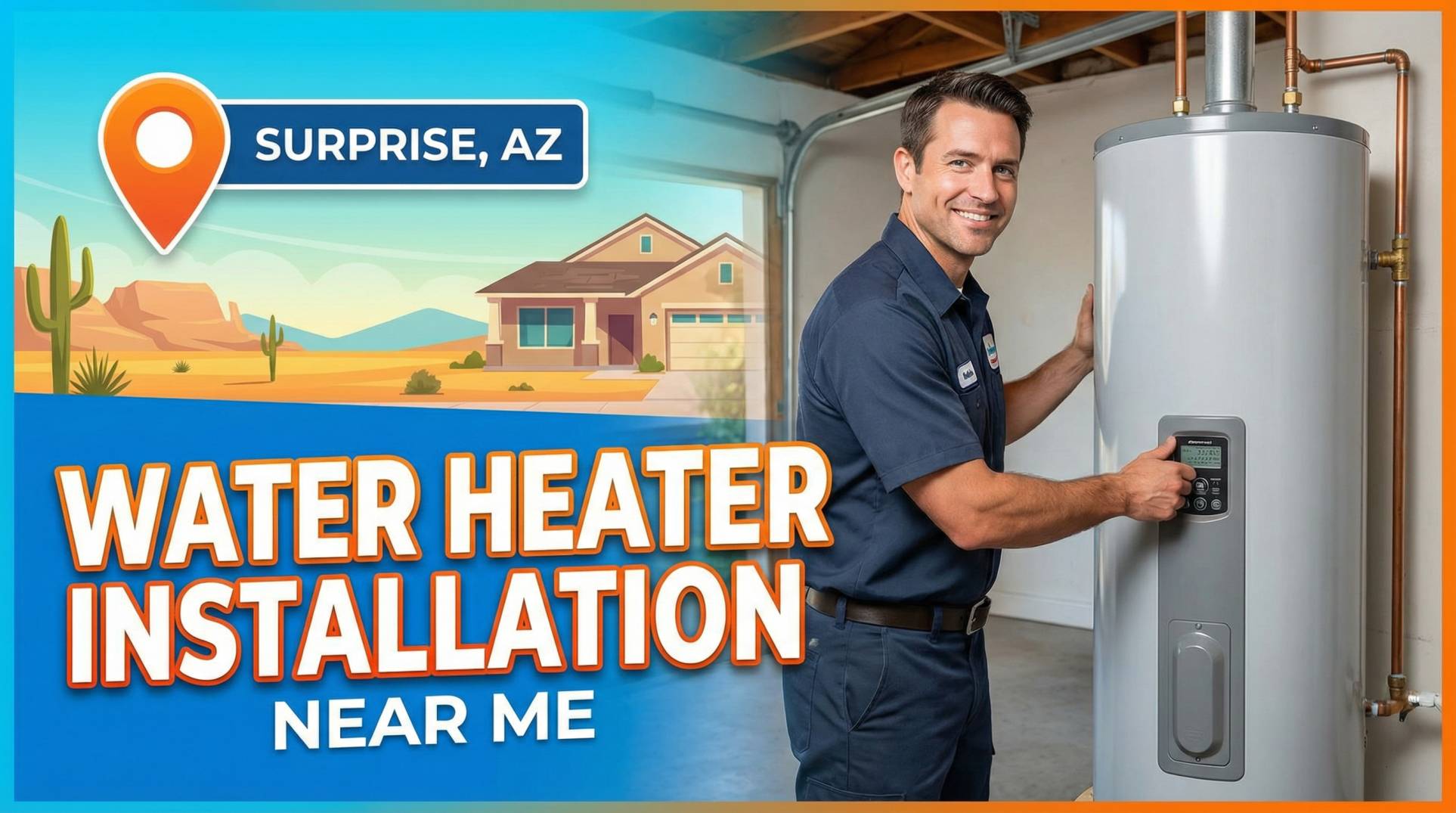
Living in Surprise, Arizona means dealing with extreme temperatures that put unique demands on your home’s water heating system. Whether you’re building a new home, replacing an aging unit, or upgrading to a more efficient model, understanding the water heater installation process helps you make confident decisions for your household.
Recognizing When You Need a New Water Heater
Most water heaters last between 8 to 12 years, depending on maintenance and water quality. Several warning signs indicate it’s time to consider replacement rather than another repair. Rusty or discolored water coming from your hot water taps suggests internal tank corrosion that cannot be reversed. Strange rumbling, popping, or banging noises often mean sediment has built up inside the tank, reducing efficiency and signaling the unit’s declining health.
Inconsistent water temperature is another red flag. If your morning shower starts hot but quickly turns lukewarm, or if you’re constantly adjusting the temperature dial, your water heater is struggling to maintain proper heating. Visible moisture or pooling water around the base of your tank indicates leaks that will only worsen over time. Even small leaks can cause significant water damage to your home, making prompt replacement critical.
Rising energy bills without increased usage also point to a failing water heater. As units age, they work harder to heat the same amount of water, consuming more electricity or gas. Surprise homeowners often notice this during summer months when air conditioning costs rise, but an inefficient water heater compounds the problem year-round.
Understanding Your Water Heater Options
The Arizona market offers several water heater types, each with distinct advantages for different household needs. Traditional tank water heaters remain popular due to their reliability and lower upfront costs. These units store 30 to 80 gallons of hot water, constantly maintaining temperature so hot water is ready when you need it. They work well for families with predictable hot water usage patterns.
Tankless water heaters have gained significant traction in Surprise due to their energy efficiency. These units heat water on demand, eliminating standby energy loss from maintaining a tank of hot water. For households that use hot water at different times throughout the day rather than all at once, tankless models can reduce energy consumption by 24 to 34 percent. They also save valuable space in garages or utility rooms since they mount on walls.
Heat pump water heaters represent the most energy-efficient option, though they require specific installation conditions. These units pull heat from surrounding air to warm water, using up to 60 percent less energy than standard electric models. However, they need adequate space for air circulation and perform best in moderate temperatures, making proper placement essential in Arizona homes.
Hybrid models combine traditional tank storage with heat pump technology, offering a balance between efficiency and performance. Solar water heaters make sense for Surprise residents given the abundant sunshine, though they typically require a backup system for cloudy days and high-demand periods.
Factors Affecting Installation Complexity
Several elements determine how straightforward your water heater installation will be. Fuel type plays a major role—switching from electric to gas or vice versa requires additional infrastructure like new gas lines or upgraded electrical circuits. Most replacements stay with the existing fuel type to minimize costs and complexity.
Your home’s plumbing configuration matters significantly. Older Surprise homes built in the 1970s and 1980s may have galvanized pipes that should be updated during installation. The location of your current water heater affects accessibility for the installation crew and may limit which models fit properly. Garage installations, common in Arizona homes, typically offer easier access than attic or closet installations.
Local building codes and permit requirements must be followed. Surprise operates under specific regulations for water heater installations, including proper venting, seismic strapping, expansion tank requirements, and drain pan specifications. Professional installers handle these compliance issues, but homeowners attempting DIY installation risk code violations that create problems during home sales or insurance claims.
Water pressure and quality in your neighborhood influences installation decisions. Surprise’s water hardness varies by area, and homes with particularly hard water benefit from water softener integration during installation. High water pressure may require a pressure-reducing valve to protect your new water heater from premature failure.
The Professional Installation Process
Quality installation begins with proper removal of your old unit. Technicians shut off fuel supply and water lines, drain the old tank completely, and disconnect all connections. Proper disposal of the old unit follows environmental regulations, as water heaters contain materials that require special handling.
Site preparation ensures your new water heater performs optimally. This includes inspecting and potentially replacing supply lines, checking shutoff valves, verifying adequate drainage for the temperature-pressure relief valve, and confirming proper ventilation for gas units. Many professionals recommend replacing supply lines during installation since old connections often fail shortly after new equipment is installed.
Installation of the new unit follows manufacturer specifications exactly. This includes proper positioning and leveling, secure connection of water lines with appropriate fittings, correct wiring or gas line attachment, installation of required safety devices like temperature-pressure relief valves and expansion tanks, and proper venting configuration for gas models.
Testing and commissioning verify everything works correctly. Technicians fill the tank, check all connections for leaks, test the heating elements or burner, adjust temperature settings, and demonstrate operation to homeowners. They also review maintenance requirements that extend your water heater’s lifespan.
Choosing the Right Size for Your Home
Undersized water heaters frustrate families with insufficient hot water during peak usage times. Oversized units waste energy heating water you don’t need. For traditional tank models, household size provides a starting point—two people typically need 30 to 40 gallons, three to four people require 40 to 50 gallons, and five or more people benefit from 55 to 80-gallon capacity.
First Hour Rating matters more than tank size alone. This measurement indicates how much hot water the unit can deliver in one hour of peak demand, accounting for both stored water and recovery rate. Calculate your household’s peak hour demand by adding up hot water usage during your busiest time—morning showers, dishwasher cycles, and laundry often coincide.
For tankless models, sizing depends on flow rate and temperature rise. Surprise’s incoming water temperature averages 65 to 75 degrees Fahrenheit, requiring about 45-degree temperature rise for comfortable showers. Count simultaneous hot water fixtures and multiply by their flow rates to determine the gallons-per-minute capacity you need.
Cost Considerations and Energy Savings
Water heater installation costs vary widely based on unit type, size, and installation complexity. Basic tank water heater installations typically range from $1,200 to $2,500, including the unit and labor. Tankless installations cost more upfront, usually $2,500 to $4,500, due to more complex installation requirements and higher equipment costs.
However, operating costs tell a different story. An efficient tankless or heat pump water heater can save Surprise homeowners $100 to $300 annually on utility bills. Over a typical 15 to 20-year lifespan, these savings often exceed the higher initial investment. Energy-efficient models may also qualify for federal tax credits or utility rebates that reduce upfront costs.
Hidden costs sometimes surprise homeowners. Permits typically cost $50 to $150 in Surprise. Upgrading electrical service for larger units adds $500 to $1,500. Required modifications like new venting, gas line upgrades, or bringing installations up to current code can add several hundred dollars. Professional installers provide detailed estimates covering these potential expenses.
Maintenance for Maximum Lifespan
Regular maintenance extends your water heater’s life and maintains efficiency. Flushing the tank annually removes sediment buildup that reduces heating efficiency and causes premature failure. In Surprise’s hard water areas, more frequent flushing may be necessary. This simple maintenance task takes 30 minutes and significantly impacts performance.
Testing the temperature-pressure relief valve ensures this critical safety device works properly. Checking the anode rod every two to three years and replacing it when deteriorated prevents tank corrosion. For tankless models, annual descaling removes mineral deposits that restrict water flow and reduce heating capacity.
Professional annual inspections catch small problems before they become expensive failures. Technicians verify proper combustion in gas units, check electrical connections, inspect venting systems, and ensure all safety devices function correctly. This preventive approach costs less than emergency repairs and extends your investment’s lifespan.
Why Professional Installation Matters
Hiring qualified professionals for water heater installation provides peace of mind and long-term value. Licensed plumbers understand local codes, obtain necessary permits, and guarantee their work. Proper installation prevents common problems like improper venting that creates carbon monoxide risks, undersized gas lines that reduce performance, incorrect electrical connections that create fire hazards, and code violations that complicate home sales.
Professional installers carry insurance protecting homeowners from installation-related damage. They also offer warranties on both equipment and labor, providing recourse if problems develop. Most importantly, they bring experience from hundreds of installations, allowing them to handle unexpected challenges and optimize your specific installation.
DIY installation might seem cost-effective initially, but mistakes can be expensive and dangerous. Improper installation voids manufacturer warranties, creates safety hazards, results in poor performance and shortened equipment life, and may violate local codes requiring costly corrections.
Finding Trusted Local Service
When your Surprise home needs water heater installation, choosing a local company with deep community roots ensures reliable service and accountability. Emergency Master Plumbing & Air has served Surprise and surrounding Arizona communities with professional water heater installation and plumbing services. Their experienced technicians understand the unique demands of Arizona’s climate and water conditions, providing installations that deliver years of reliable performance.
For expert water heater installation in Surprise, contact Emergency Master Plumbing & Air at 623-584-4706. Their team offers free estimates, transparent pricing, and quality workmanship backed by solid warranties. Whether you need emergency replacement or planned installation, their responsive service ensures your home has the reliable hot water your family depends on every day.