Drain Odor Problems in Peoria Homes: Causes, Fixes, and Prevention

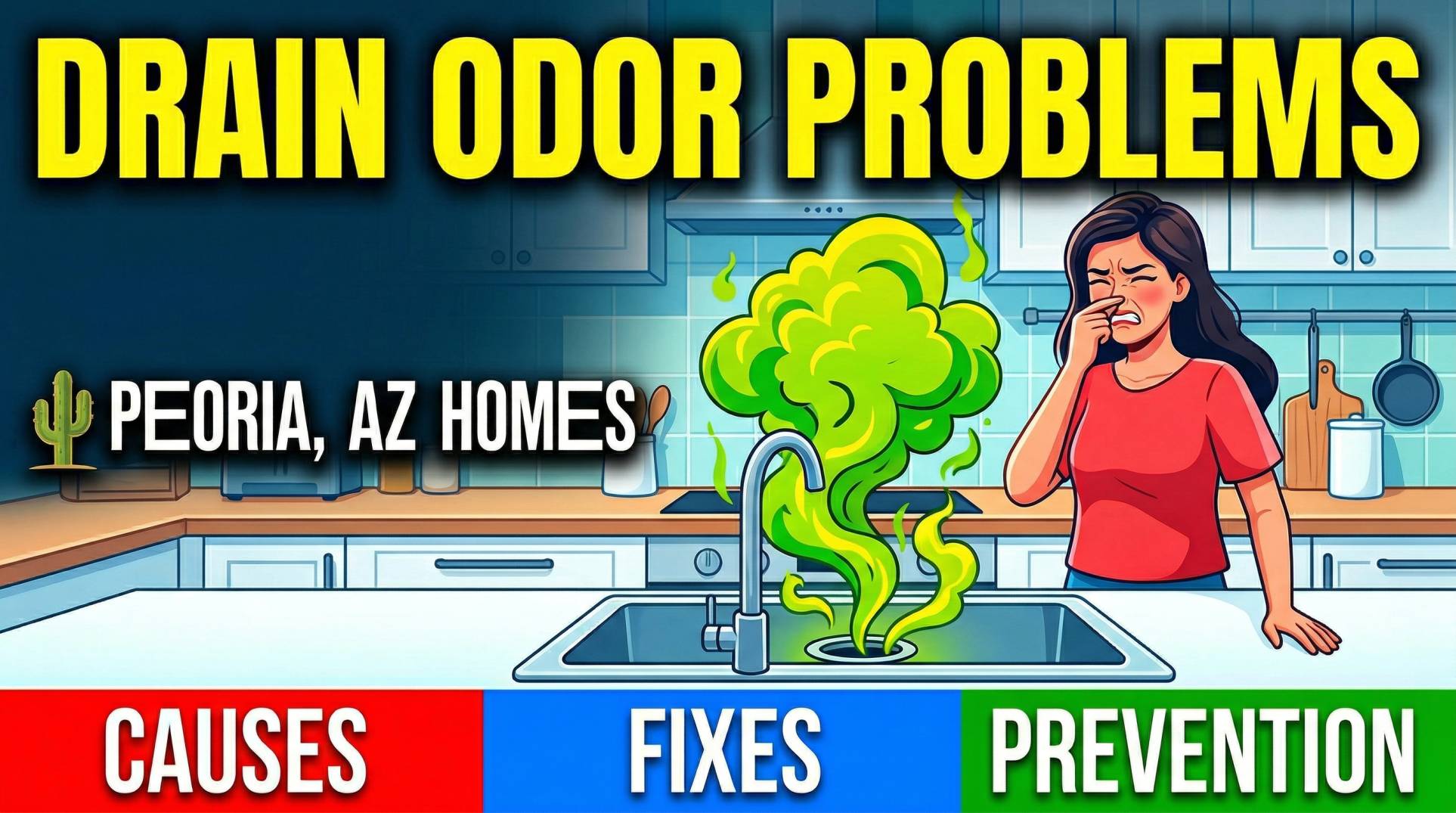
Living in Peoria, Arizona, means enjoying sunny days and a comfortable desert climate, but it also comes with unique home maintenance challenges. One of the most frustrating issues homeowners face is unpleasant odors wafting from drains in sinks, showers, bathtubs, and floor drains. These smells—often like rotten eggs, sewage, or sulfur—can make your kitchen or bathroom unbearable and raise concerns about health and hygiene.
If you’ve noticed a foul drain smell in your Peoria home, you’re not alone. Many residents deal with this due to our hard water, high mineral content, and dry conditions that affect plumbing systems. The good news? Most causes are fixable with simple steps, and understanding the root problems can prevent them from returning. In this guide, we’ll break down why drain odors happen, how to diagnose them quickly, proven solutions, and long-term prevention tips tailored to Peoria homes.
Common Causes of Drain Odors in Arizona Homes
Drain smells typically stem from bacterial buildup, blockages, or plumbing failures that let sewer gases escape. Here’s what often triggers them in Peoria:
-
Dry P-Traps: Every drain has a U-shaped P-trap that holds water to block sewer gases. In rarely used drains like guest bathrooms, laundry sinks, or garage floor drains, water evaporates, especially in our arid climate. This creates an open path for hydrogen sulfide gas—the culprit behind that rotten egg scent.
-
Biofilm and Organic Debris: Food scraps, hair, soap scum, and grease accumulate in pipes, forming a slimy biofilm where bacteria thrive. These microbes produce volatile compounds that smell like sewage. Peoria’s hard water exacerbates this by leaving mineral deposits that trap debris.
-
Clogged or Slow Drains: Partial blockages from buildup prevent proper water flow, leading to stagnant areas where odors brew. Tree roots invading sewer lines—a common issue in older Peoria neighborhoods—can also cause backups and smells.
-
Vent Pipe Issues: Plumbing vents on your roof release sewer gases safely. If they’re clogged with debris, bird nests, or leaves (common after monsoon season), pressure builds, forcing gases back into drains.
-
Sewer Line Problems: Cracked pipes, main line clogs, or septic system failures release gases throughout the home. In Peoria, expansive soils from clay-heavy desert ground can shift foundations, stressing sewer lines.
Identifying the source early prevents minor issues from becoming costly repairs. Start by noting which drains smell and when—constant odor points to dry traps or vents, while intermittent smells suggest clogs.
Step-by-Step Solutions to Eliminate Drain Odors
Tackling drain smells starts with safe, at-home methods before calling pros. Follow these steps in order for the best results.
1. Restore the P-Trap Seal
Pour 4 cups of water down the drain, followed by 1/4 cup mineral oil (it evaporates slower than water). For showers or tubs, run water weekly. This quick fix works for 80% of dry trap cases and takes under 5 minutes.
2. Clean the Drain with Natural Methods
Avoid harsh chemicals that damage pipes—opt for enzyme-based cleaners or DIY mixes:
-
Baking Soda and Vinegar: Pour 1/2 cup baking soda down the drain, then 1 cup white vinegar. Let fizz for 15-30 minutes (it breaks down biofilm), followed by boiling water. Repeat weekly.
-
Enzyme Cleaners: Products with bacteria-eating enzymes (like Bio-Clean) target organic matter without corroding PVC pipes common in Peoria homes.
-
For grease traps in kitchens: Simmer equal parts vinegar and water with lemon peels for a natural degreaser.
Test after cleaning: Run hot water for 1 minute; if the smell lingers, move to deeper fixes.
3. Clear Stubborn Clogs
Use a plunger or drain snake:
-
Fill the sink with 2-3 inches of water, plunge vigorously 10-15 times.
-
For deeper clogs, insert a 25-foot drain snake through the overflow or trap access. Twist gently to avoid pipe damage.
Pro tip: In hard-water areas like Peoria, install a mesh screen over drains to catch hair and debris.
4. Check and Clean Vent Pipes
Safely climb to your roof (or hire help) to inspect vents. Clear leaves, nests, or dirt with a plumbing brush or high-pressure air. Install vent screens to prevent future blockages, but ensure they’re bird-proof to avoid new issues.
5. Address Sewer Line Concerns
If smells persist house-wide, skip DIY—symptoms like gurgling toilets or slow drains signal main line problems. A professional camera inspection reveals roots, cracks, or bellied pipes.
These methods resolve 90% of odors without tools or expense. Always wear gloves, ventilate the area, and never mix cleaners (e.g., bleach and ammonia create toxic fumes).
When to Call a Professional Plumber in Peoria
DIY works for surface issues, but persistent or widespread smells indicate deeper plumbing failures. Warning signs include:
-
Odors from multiple drains or toilets.
-
Black sludge, sewage backups, or gurgling sounds.
-
Smells after heavy rain (vent or sewer issues).
-
Homes built pre-1980 with cast-iron pipes prone to corrosion.
In Peoria, where water quality reports show high calcium and magnesium, professional service prevents escalation. Licensed plumbers use video scoping for accurate diagnosis and hydro-jetting for thorough cleaning without chemicals.
Prevention Tips for Lasting Fresh Drains in Peoria Homes
Prevent odors proactively with these Peoria-specific habits:
-
Weekly Maintenance Routine:
Day Task Why It Helps Monday Hot water flush (2 minutes per drain) Clears early buildup Wednesday Baking soda/vinegar treatment Dissolves biofilm Friday Inspect screens and pour mineral oil Maintains P-traps -
Water Softener Installation: Peoria’s water hardness (15-20 grains per gallon) accelerates buildup. A whole-home softener reduces scale by 50%, extending pipe life.
-
Outdoor Drain Care: Cover floor drains in garages with caps during monsoons. Trim trees away from sewer lines to deter roots.
-
Smart Habits: Scrape plates before rinsing, use drain guards, and avoid pouring grease or oils. For garbage disposals, run cold water and citrus peels monthly.
Following this routine cuts odor recurrence by 70%, saving time and money.
Health Risks of Ignoring Drain Odors
Foul drains aren’t just annoying—they pose risks. Sewer gases like methane and hydrogen sulfide irritate eyes, cause headaches, and in high concentrations, lead to nausea or respiratory issues. Bacteria from biofilm (E. coli, salmonella) can contaminate surfaces, spreading via splashes. Vulnerable groups—kids, elderly, or those with asthma—face higher risks. Prompt fixes protect your family’s well-being.
In summary, drain odors in Peoria homes often trace to dry traps, buildup, or vents, but targeted cleaning and prevention keep them at bay. Start with water pours and natural cleaners; escalate if needed.
For fast, reliable help with stubborn drain smells or full plumbing inspections, contact Emergency Master Plumbing & Air at 623-584-4706. Our Peoria team specializes in same-day service for local homes, ensuring fresh drains without hassle.