
HVAC Maintenance Before Arizona Heat Season: Why It Matters and How to Do It Right

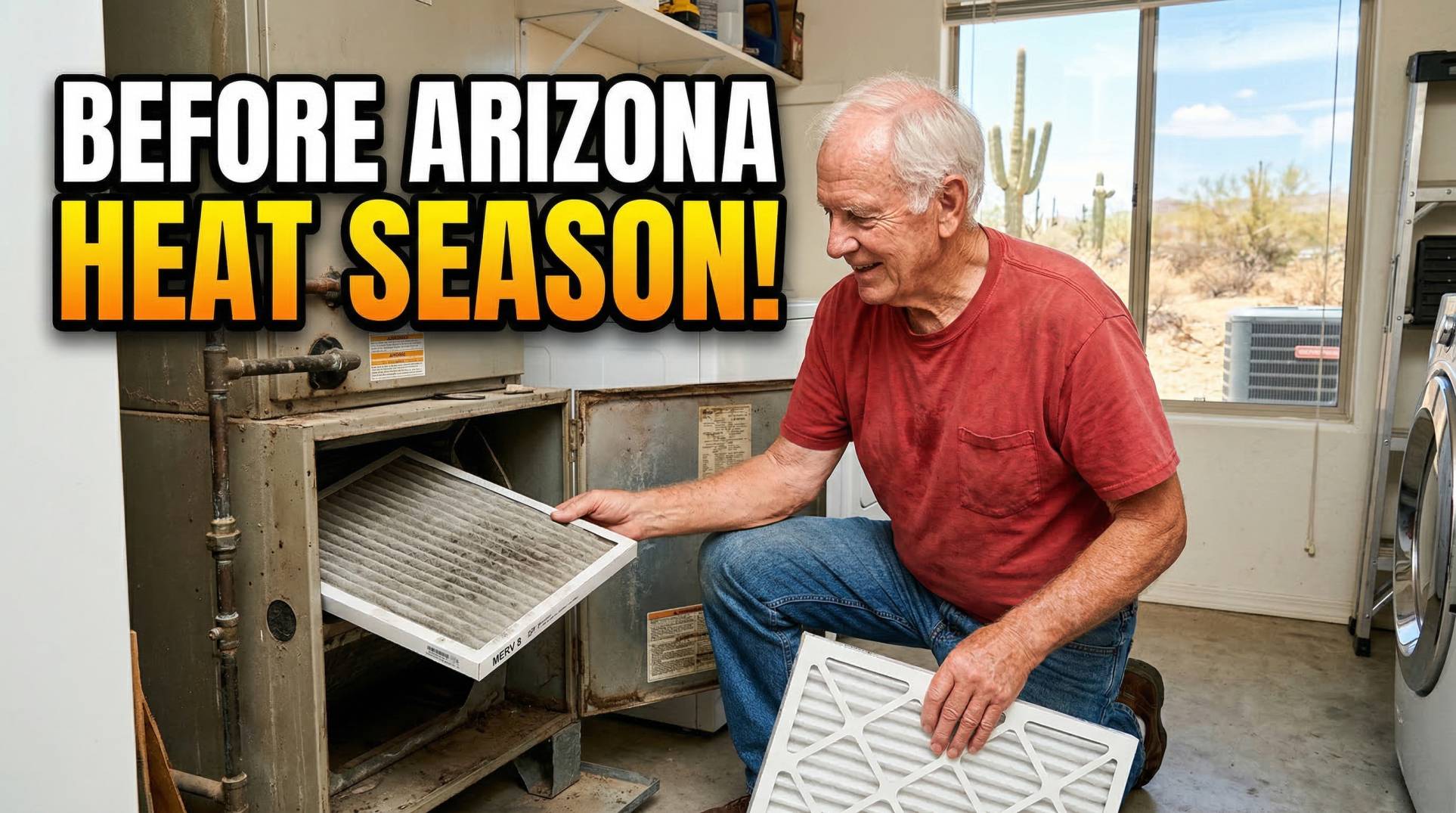
As Arizona’s temperatures climb into the triple digits each summer, your HVAC system becomes your home’s lifeline. Skipping maintenance before the heat season can lead to breakdowns, skyrocketing energy bills, and uncomfortable days sweating it out indoors. In this guide, we’ll break down why proactive HVAC tune-ups are essential, common problems they solve, and a step-by-step plan to keep your system running smoothly. With years of hands-on experience serving Arizona homeowners, we’ve seen how simple upkeep prevents costly emergencies.
The Hidden Costs of Skipping HVAC Maintenance
Arizona’s extreme heat puts immense strain on air conditioning units. Dust from desert winds clogs filters, high temperatures force systems to overwork, and mineral-rich hard water scales up components. Without regular maintenance, these issues compound quickly.
Consider a typical Phoenix household: An unmaintained AC unit can lose up to 15% efficiency annually, according to U.S. Department of Energy data. This translates to hundreds of extra dollars on utility bills. Worse, neglected systems fail at peak demand—think 110°F days when repair calls flood in, delaying service by days.
We’ve serviced countless units where dirty coils reduced cooling capacity by 30%, turning a comfortable home into a sauna. Early maintenance catches these problems, restoring peak performance and extending your system’s lifespan by 5-10 years.
Signs Your HVAC Needs Attention Before Summer Hits
Don’t wait for a full breakdown. Watch for these red flags that signal it’s time for a tune-up:
-
Weak airflow from vents: Often caused by clogged filters or blocked coils, reducing cooled air delivery.
-
Unusual noises: Grinding, squealing, or banging indicates loose parts or failing motors.
-
Higher energy bills: A sudden spike without increased usage points to inefficiency.
-
Inconsistent temperatures: Hot spots in rooms mean duct issues or low refrigerant.
-
Frequent cycling: Short on-off cycles strain the compressor, a common precursor to failure.
-
Musty odors or excess humidity: Signals mold growth in ducts or evaporator coils.
If your system is over 10 years old or hasn’t been serviced in 12 months, schedule a check now. Arizona’s dry climate accelerates wear, making annual pre-summer inspections non-negotiable.
Step-by-Step DIY HVAC Maintenance Checklist
While professional service is ideal, you can handle basics to bridge the gap. Follow this checklist monthly leading up to heat season (April-May).
1. Replace or Clean Air Filters
Dirty filters restrict airflow, forcing your blower to work harder.
-
Locate your filter (usually in the return vent or furnace cabinet).
-
Check the MERV rating—use 8-13 for homes with pets or allergies.
-
Vacuum reusable filters; replace disposables every 1-3 months.
-
Pro tip: Install a filter minder for reminders.
This simple swap can boost efficiency by 5-15% and improve indoor air quality.
2. Clear Debris Around Outdoor Unit
Desert landscaping and dust buildup suffocate condensers.
-
Turn off power at the breaker.
-
Remove leaves, dirt, and vegetation within 2 feet.
-
Gently hose fins (avoid high pressure to prevent bending).
-
Straighten bent fins with a fin comb from hardware stores.
Proper clearance ensures optimal heat dissipation, preventing overheating.
3. Inspect and Clean Drains
Clogged condensate drains cause water backups and coil freezing.
-
Find the PVC drain line near the indoor unit.
-
Flush with a vinegar-water mix (1:1 ratio) using a wet vac.
-
Add bleach tablets to prevent algae in humid months.
This prevents water damage and maintains humidity control.
4. Check Thermostat and Batteries
An outdated thermostat wastes energy.
-
Replace batteries annually.
-
Calibrate by comparing to a separate thermometer.
-
Upgrade to a smart model for programmable savings—up to 10% on bills.
5. Test System Performance
Run a full cycle on a mild day.
-
Measure temperature drop across evaporator (should be 15-20°F).
-
Listen for irregularities.
-
Note any error codes on digital displays.
Document findings for your technician.
These steps solve 80% of minor issues, but they don’t replace professional diagnostics.
When to Call a Professional: Advanced Tune-Up Essentials
DIY helps, but experts handle the rest. A full HVAC tune-up includes:
-
Refrigerant level checks and recharges: Low levels from leaks reduce cooling—EPA-certified techs only.
-
Coil cleaning: Deep chemical washes remove embedded grime.
-
Electrical inspections: Tighten connections to prevent fires.
-
Duct sealing and testing: Fixes leaks that waste 20-30% of cooled air.
-
Lubrication and belt adjustments: Reduces friction and noise.
-
Capillary tube or TXV verification: Ensures proper refrigerant flow.
In Arizona, focus on corrosion-resistant components due to hard water and dust. Technicians use tools like anemometers for airflow and digital gauges for precision.
Expect a tune-up to cost $100-200, far less than a $5,000 replacement. Schedule in spring for priority slots—summer waits average 48 hours.
Energy-Saving Tips Tailored for Arizona Homes
Maximize your investment with these heat-season strategies:
-
Set thermostat to 78°F when home, 82°F away (saves 3-5% per degree).
-
Use ceiling fans counterclockwise to push cool air down.
-
Seal windows/doors with weatherstripping; add solar film to south-facing glass.
-
Plant shade trees or install awnings to block sun.
-
Run exhaust fans during cooking to expel heat.
Combine with maintenance for 20-40% bill reductions. Track usage via utility apps for trends.
Common Myths About HVAC Maintenance Debunked
-
Myth: “It’s running fine, no need to service.” Reality: Problems build silently until failure.
-
Myth: “DIY covers everything.” Reality: Refrigerant and electrical work requires certification.
-
Myth: “Newer units don’t need tune-ups.” Reality: All systems accumulate dust; maintenance preserves warranties.
-
Myth: “Heat season is the best time.” Reality: Delays and premiums make spring ideal.
Armed with facts, Arizona homeowners avoid these pitfalls yearly.
Long-Term Benefits: Health, Savings, and Peace of Mind
Regular maintenance isn’t just about cooling—it’s holistic.
-
Health: Cleaner systems reduce allergens, asthma triggers, and bacteria. Post-COVID, IAQ is paramount.
-
Savings: ENERGY STAR estimates $160 annual savings per household.
-
Reliability: Prevents 85% of breakdowns, per ACCA studies.
-
Home value: Well-maintained HVAC appeals to buyers.
Invest now for summers without stress.
Recommended Service: HVAC Maintenance Before Arizona Heat Season
For reliable, expert HVAC maintenance in Arizona, contact Emergency Master Plumbing & Air. Our certified technicians specialize in pre-season tune-ups, emergency repairs, and full system installs. Call us at 623-584-4706 today to book your appointment and stay cool all summer.