Preventing Emergency Plumbing Repairs in Arizona: Essential Tips for Homeowners

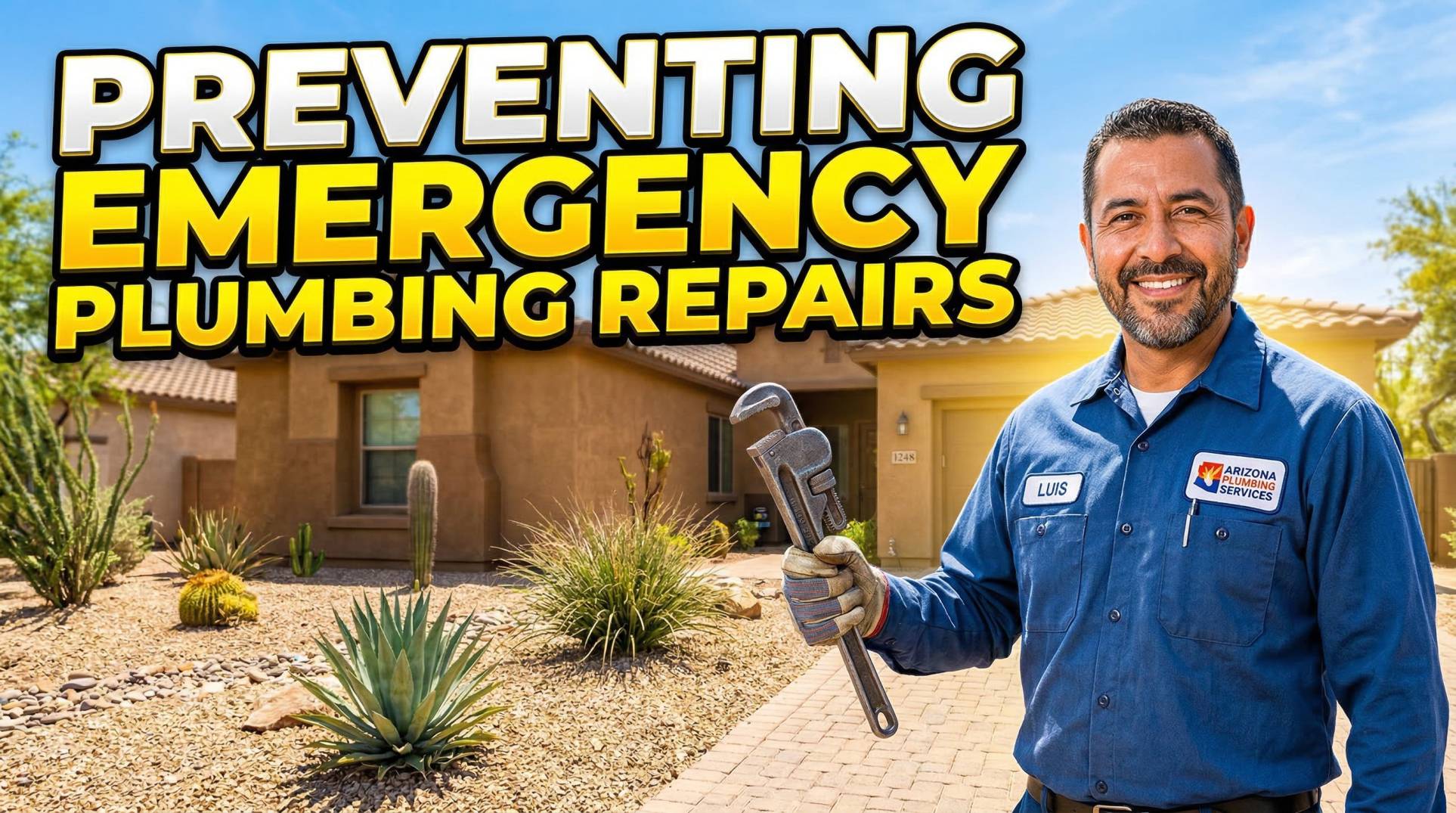
Living in Arizona means dealing with unique plumbing challenges like scorching summers, hard water buildup, and occasional monsoon floods. Sudden pipe bursts or overflowing toilets can turn a normal day into a nightmare, leading to thousands in repair costs and water damage. The good news? Most emergencies are preventable with regular maintenance and smart habits. This guide shares proven strategies to keep your plumbing system running smoothly year-round, saving you time, money, and stress.
Understanding Common Plumbing Issues in Arizona Homes
Arizona’s desert climate and water quality create specific risks for plumbing systems. Hard water, high in minerals like calcium and magnesium, leads to scale buildup inside pipes, reducing water flow and straining your water heater. Summer heat expands pipes, increasing the chance of cracks, while winter freezes in higher elevations can burst lines. Monsoon season brings heavy rains that overwhelm drains and sewers.
Homeowners often ignore early warning signs until it’s too late. Dripping faucets might seem minor, but they waste up to 3,000 gallons of water per year per household, according to the U.S. Environmental Protection Agency (EPA). Clogged drains from grease or hair buildup create backups, and tree roots invading sewer lines are a top cause of main line failures in older Arizona neighborhoods.
By spotting these issues early, you can address them before they escalate. For instance, low water pressure often signals scale or leaks, while gurgling toilets indicate vent problems. Regular checks empower you to act proactively.
Daily Habits to Protect Your Pipes and Drains
Small changes in your routine make a big difference in preventing clogs and leaks. Start by being mindful of what goes down your drains.
-
Avoid pouring grease or oil down the sink. These fats solidify in pipes, creating blockages. Let grease cool and scrape it into the trash or a compost bin instead.
-
Use drain screens everywhere. Kitchen sinks, bathroom drains, and showers benefit from mesh screens that catch hair, food scraps, and debris.
-
Flush wisely. Only toilet paper and human waste belong in toilets. “Flushable” wipes, sanitary products, and paper towels cause 75% of clogs, per plumbing industry data.
-
Run hot water after use. A quick 30-second rinse with hot water and a splash of vinegar weekly dissolves minor buildup.
In Arizona, where water is precious, these habits also conserve resources. One Phoenix family reported cutting their water bill by 15% after adopting drain screens and grease disposal rules.
For garbage disposals, grind ice cubes and citrus peels monthly to sharpen blades and clean. Avoid fibrous foods like celery or potato peels, which tangle blades.
Seasonal Maintenance Checklist for Arizona Plumbing
Arizona’s extreme weather demands tailored upkeep. Follow this checklist to stay ahead.
Summer Prep (May–September)
High heat stresses outdoor pipes and irrigation systems.
-
Inspect hoses and sprinklers for cracks; replace rubber hoses every 5 years.
-
Insulate exposed pipes in garages or crawlspaces to prevent expansion bursts.
-
Test your water pressure gauge (aim for 40–80 PSI); high pressure over 80 PSI needs a regulator.
Monsoon Readiness (July–September)
Floods can infiltrate sewers.
-
Clear roof gutters and downspouts; ensure they direct water away from foundations.
-
Install backflow preventers on sewer lines if in a flood-prone area like Scottsdale or Mesa.
-
Trim trees away from pipes to prevent root intrusion.
Winter Checks (December–February)
Even mild Arizona winters dip below freezing in places like Flagstaff or Prescott.
-
Disconnect and drain outdoor hoses.
-
Open cabinet doors under sinks to let warm air circulate around pipes.
-
Know your main water shutoff valve location and test it annually.
Year-Round Tasks
Schedule professional inspections twice a year. A certified plumber uses cameras to spot hidden issues like corrosion or root growth.
Water Heater Care: Avoid Costly Failures
Your water heater works overtime in Arizona’s heat, making it prone to sediment buildup from hard water. Anode rods corrode over time, leading to leaks or inefficiency.
Maintenance Steps:
-
Flush the tank every 6 months to remove sediment. Turn off power/gas, attach a hose to the drain valve, and flush until water runs clear.
-
Check the anode rod yearly; replace if more than 50% corroded (costs $20–50 for the part).
-
Set temperature to 120°F to prevent scalding and save energy—lowering it 10°F cuts costs by 3–5%.
-
Insulate the tank and pipes for efficiency, especially in attics.
A Sedona homeowner extended their water heater’s life from 8 to 15 years with these steps, avoiding a $1,500 replacement. Signs of trouble include rusty water, banging noises (expansion from sediment), or leaks at the base—shut off immediately and call a pro.
Tackling Hard Water Problems Head-On
Arizona’s water hardness averages 10–20 grains per gallon, accelerating scale in pipes, fixtures, and appliances. This shortens dishwasher and washing machine lifespans by 30%.
Solutions:
-
Install a whole-home water softener. Ion-exchange models swap calcium for sodium; regenerate monthly.
-
Use vinegar soaks for faucets and showerheads: fill a bag with white vinegar, secure around the aerator, and soak overnight.
-
Add a scale inhibitor to your water heater during flushing.
For renters or budget-conscious folks, point-of-use filters under sinks work well. Test your water hardness with affordable kits from hardware stores—aim to keep it under 7 grains post-treatment.
Detecting and Fixing Leaks Early
Leaks waste 10,000 gallons per household annually and cause mold in Arizona’s dry climate. Walk your property monthly with these checks.
Indoors:
-
Feel under sinks for dampness; tighten connections or replace washers ($2 each).
-
Listen for hissing in walls—use a screwdriver as a stethoscope against pipes.
-
Check water meter when no water is running; a spinning dial means a leak.
Outdoors:
-
Look for soggy spots or lush grass patches indicating underground leaks.
-
Monitor bills; a 10% jump signals issues.
DIY fixes include wrapping leaky pipes with epoxy putty or self-fusing tape for temporary holds. For slab leaks common in Arizona tract homes, pros use acoustic detectors.
Upgrades That Prevent Future Emergencies
Investing in modern plumbing pays off long-term.
-
Piping: Swap galvanized steel (rust-prone) for PEX or copper, which resist corrosion.
-
Fixtures: Low-flow toilets (1.28 GPF) and aerators cut water use by 30% without pressure loss.
-
Sump Pumps: Essential in low-lying areas for flood prevention.
-
Smart Monitors: Devices like Flo by Moen detect leaks via app alerts and auto-shutoff.
These upgrades qualify for Arizona water conservation rebates—check with your utility.
When to Call a Professional Plumber
DIY works for minor issues, but pros handle complex problems safely. Red flags include no water flow, sewer backups, or gas smells from water heaters. In Arizona, licensed plumbers (check ROC license) ensure code compliance.
Prompt action prevents escalation—one ignored drip can cost $500+ in repairs.
For reliable service in Arizona, trust Emergency Master Plumbing & Air. Specializing in Preventing Emergency Plumbing Repairs, Arizona, we offer proactive inspections, maintenance plans, and 24/7 emergency response to keep your home safe. Call us today at 623-584-4706 for a free consultation and peace of mind.