
Water Heater Failure Causes – Scottsdale

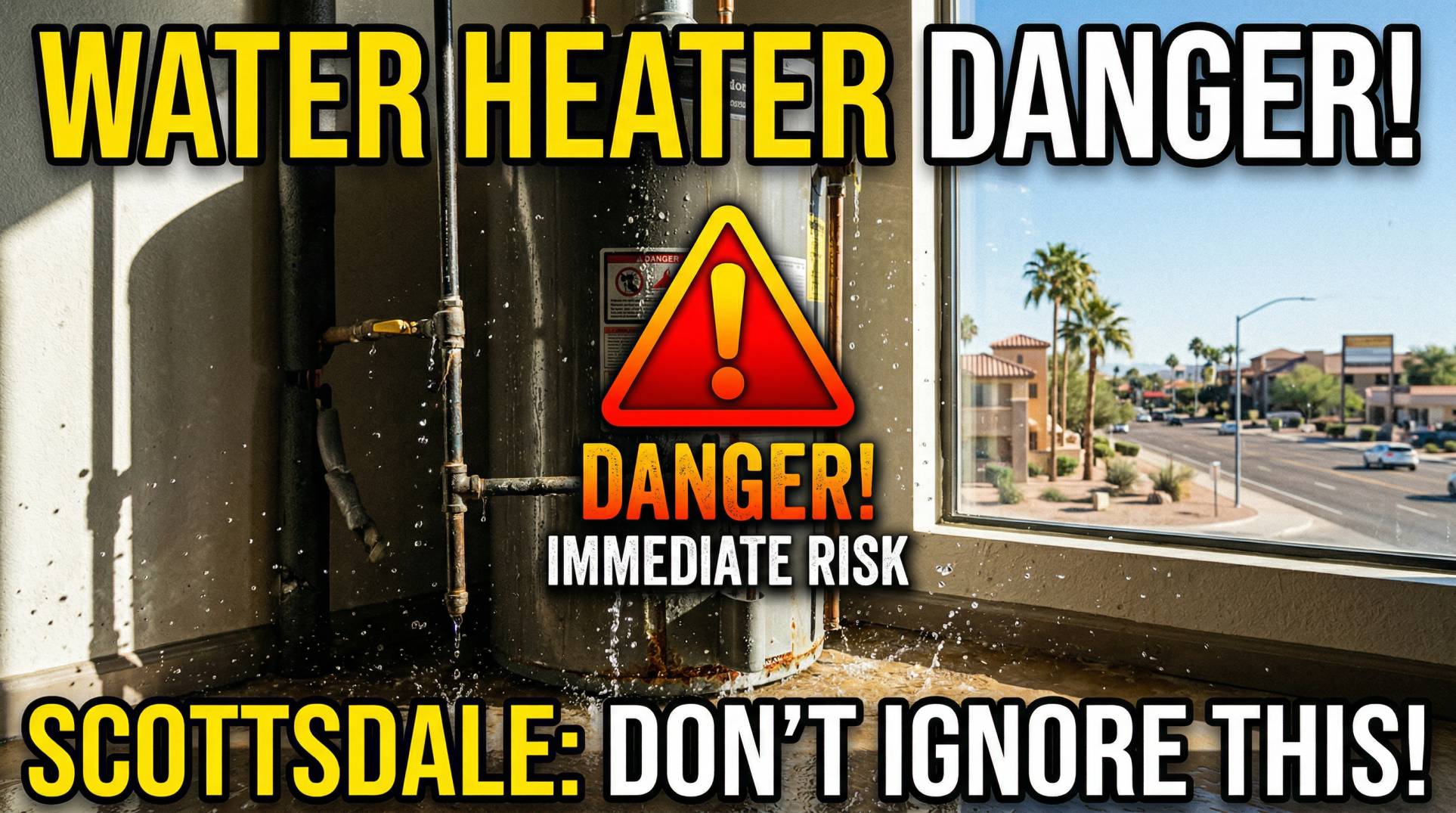
Water heaters are essential for daily comfort in Scottsdale homes, but they often fail unexpectedly, leaving families without hot water. Understanding the root causes helps homeowners address issues early and avoid costly emergencies.
Common Signs of Water Heater Trouble
Spotting problems early prevents major breakdowns. Look for these key indicators before a full failure occurs.
No hot water or lukewarm output signals a failing heating element in electric models or a pilot light issue in gas units. Leaks at the base often stem from tank corrosion, while strange noises like popping indicate sediment buildup common in Arizona’s hard water. Rusty or discolored water points to internal rust, and higher energy bills suggest inefficiency from scale deposits.
Sediment Buildup: The Top Culprit
Arizona’s mineral-rich hard water accelerates sediment accumulation inside tanks. This layer insulates water from the heat source, forcing the unit to overwork.
Sediment acts like rock at the tank bottom, reducing capacity and causing overheating that cracks the metal. In Scottsdale, where water hardness exceeds 15 grains per gallon, this buildup shortens unit life from 10-12 years to as little as 5-7 without maintenance. Flushing the tank annually removes deposits; ignore it, and efficiency drops by up to 30%, hiking utility costs.
Homeowners can perform a simple flush: turn off power or gas, connect a hose to the drain valve, and run water until clear. For heavy buildup, professional service ensures safety and thorough cleaning.
Leaking Tanks and Pressure Problems
Leaks rank as the second most frequent failure, often from corrosion or excessive pressure. Scottsdale’s temperature swings expand and contract metal, weakening seams over time.
A dripping temperature and pressure relief (T&P) valve usually means high home pressure above 80 PSI or thermal expansion without an expansion tank. Never cap this valve—it’s a safety feature preventing explosions. Top leaks trace to loose fittings, corroded unions, or faulty valves; tightening or replacing them resolves most cases quickly.
Install a pressure-reducing valve if your system’s over 80 PSI, and add an expansion tank for closed-loop plumbing. These steps extend life and comply with local codes.
Heating Element and Thermostat Failures
Electric water heaters rely on elements that burn out from sediment or power surges. One element failure halves hot water supply, mimicking a total breakdown.
Thermostats fail from age or wiring issues, causing overheating or no heat. Gas models suffer pilot light outages from drafts, dirty thermocouples, or gas supply problems. Test by relighting the pilot per manufacturer instructions, but call experts for thermocouple cleaning or replacement to avoid gas risks.
Thermostat and Gas Supply Issues
In gas units, incomplete combustion or blocked vents lead to shutdowns. Scottsdale’s dust clogs burners, while high altitudes affect gas mix.
Faulty thermostats misread temperatures, cycling erratically. Adjust to 120°F for safety and efficiency—higher risks scalding and legionella bacteria growth. Annual inspections catch these before summer peaks strain systems.
Age and Wear: Inevitable Decline
Units over 8-10 years falter regardless of care. Anode rods corrode to protect tanks but deplete, exposing steel to rust.
Replace rods every 3-5 years; they’re cheap insurance. Signs like consistent leaks or low output mean it’s time for a new unit—repairing old ones wastes money.
Hard Water’s Unique Impact in Scottsdale
Local water’s high calcium and magnesium deposit faster in our warm climate, straining heaters year-round. Without softeners, scale triples failure risk.
Pair a whole-home softener with your heater for longevity. Tankless models resist buildup better but need descaling.
Preventive Maintenance Checklist
Regular upkeep halves failure odds. Follow this plan for reliability.
-
Monthly: Check for leaks, test T&P valve by lifting handle briefly.
-
Quarterly: Inspect anode rod via hex plug; replace if deteriorated.
-
Annually: Flush tank, delime elements, verify thermostat settings.
-
Every 3 Years: Professional tune-up including pressure checks.
DIY flushing saves $100+ yearly; pros handle gas/electrical safely. Track maintenance in a log for warranty claims.
Diagnosing No Hot Water Emergencies
Woke up to cold showers? Systematic checks pinpoint causes fast.
-
Verify power/gas supply and breakers.
-
Electric: Reset high-limit switch on elements.
-
Gas: Relight pilot, clear vents.
-
If persistent, suspect sediment or elements—don’t delay pro help.
Rule out shared issues like tripped breakers affecting whole home.
Upgrading for Scottsdale Homes
Tankless or heat pump models suit our climate, offering endless hot water and 30-50% energy savings. They demand professional sizing for demand—average 3-person home needs 199,000 BTU gas unit.
Hybrids cut bills amid rising utilities. Factor rebates via APS for efficient installs.
Costly Consequences of Ignoring Issues
Flooding from ruptures costs $5,000+ in water damage. No hot water disrupts routines, stresses families.
Overworking units spike bills 20-40%. Early fixes under $300 pale against $1,500 replacements.
When to Call Professionals
DIY suits basics, but gas, electrical, or leaks demand licensed techs for code compliance and safety. Expect same-day service in Scottsdale for emergencies.
Energy Efficiency Tips
Set thermostats to 120°F. Insulate pipes and tanks. Use low-flow fixtures to ease demand.
Water Heater Types Compared
Choose based on usage—plumbers assess accurately.