After-Hours Plumbing Emergency: When Should You Call Right Away?

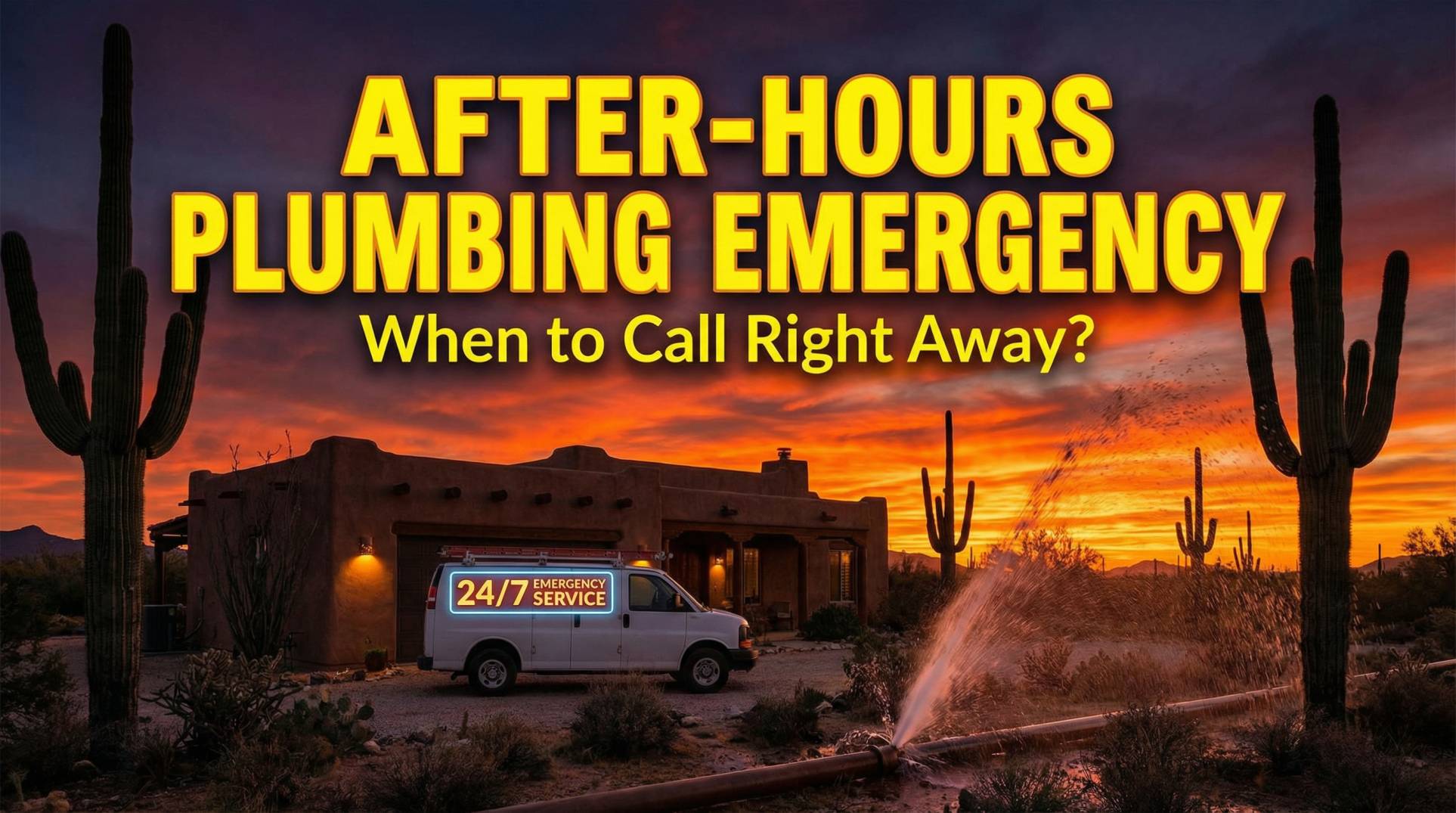
It’s 2 AM, and you wake up to the sound of rushing water. Your heart races as you realize your basement is flooding, or worse—sewage is backing up into your bathtub. In these heart-stopping moments, knowing whether to call an emergency plumber immediately or wait until morning can mean the difference between minor repairs and catastrophic damage to your home.
Understanding What Qualifies as a True Plumbing Emergency
Not every plumbing problem requires an immediate call to an after-hours plumber. While emergency services are available 24/7, they typically come at a premium cost. The key is understanding which situations pose immediate risks to your property, health, or safety versus those that can wait until regular business hours.
A true plumbing emergency involves situations where delaying repairs could result in significant property damage, health hazards, or complete loss of essential water services. These scenarios require immediate professional intervention, regardless of the time of day.
Burst Pipes: The Race Against Flooding
A burst pipe represents one of the most critical plumbing emergencies you can face. Within minutes, a single burst pipe can release hundreds of gallons of water into your home, damaging floors, walls, furniture, and electrical systems. The destruction accelerates rapidly, and every minute counts.
Immediate Steps to Take
When you discover a burst pipe, your first action should be locating and shutting off your main water supply valve. This valve is typically found near your water meter, in the basement, or where the main water line enters your home. Once you’ve stopped the water flow, move valuable items away from the affected area and contact an emergency plumber immediately.
Burst pipes often occur during freezing temperatures when water inside pipes expands and creates pressure that the pipe cannot withstand. However, they can also result from corrosion, excessive water pressure, or physical damage to the pipes.
Sewer Line Backups: A Health Hazard That Cannot Wait
Few plumbing emergencies are more unpleasant or dangerous than a sewer backup. When sewage backs up into your toilets, bathtubs, or drains, you’re facing more than just an inconvenience—you’re dealing with a serious health hazard.
Sewage contains harmful bacteria, viruses, and pathogens that can cause serious illness. Exposure to raw sewage puts your family at risk for infections and diseases. Additionally, the longer sewage sits in your home, the more damage it causes to your flooring, walls, and belongings.
Warning Signs of Sewer Problems
Multiple drains backing up simultaneously often indicates a main sewer line blockage rather than individual drain clogs. If you notice gurgling sounds from multiple fixtures, foul odors emanating from drains, or sewage backing up when you flush toilets or run water, call an emergency plumber immediately. These situations will only worsen with time.
Complete Loss of Water Supply
Waking up to discover you have no running water at all constitutes an emergency situation that requires immediate attention. While it may seem less dramatic than flooding, a complete loss of water supply can indicate serious underlying problems.
The absence of water might signal frozen pipes (which could burst as they thaw), a major undetected leak somewhere in your system, or significant blockages in your main water line. Beyond the inconvenience of not being able to cook, clean, or use bathroom facilities, the root cause could be inflicting hidden damage to your home’s plumbing infrastructure.
Before calling, quickly check with neighbors to ensure the problem isn’t a neighborhood-wide water main issue. If your neighbors have water but you don’t, contact an emergency plumber right away.
Gas Leaks: Evacuate First, Call Second
If you smell gas near your water heater or other gas-powered appliances, treat this as a life-threatening emergency. Natural gas is highly flammable and potentially explosive. The distinctive “rotten egg” smell added to natural gas serves as a critical warning system.
Proper Emergency Protocol
Never attempt to locate the gas leak yourself or turn on any lights or electrical devices, as a single spark could trigger an explosion. Immediately evacuate everyone from your home, including pets. Once you’re safely outside, call your gas company’s emergency line first, then contact an emergency plumber. Do not re-enter your home until professionals declare it safe.
Water Heater Failures and Flooding
Your water heater holds 40 to 80 gallons of water under pressure. When a water heater fails catastrophically—whether through a burst tank, severe leak, or pressure relief valve failure—it can flood your home rapidly.
Signs of serious water heater problems include water pooling around the base, strange noises like banging or hissing, discolored water with a metallic smell, or steam coming from the tank or pressure relief valve. If you notice any of these symptoms intensifying rapidly, especially during after-hours, shut off the water supply to the heater and call for emergency service.
Major Leaks Near Electrical Systems
Water and electricity create a deadly combination. Any significant leak occurring near your electrical panel, outlets, appliances, or wiring demands immediate attention. Even if the leak seems small, water can travel through walls and floors, reaching electrical components you cannot see.
In these situations, if it’s safe to do so, shut off power to the affected area at your circuit breaker. Then call an emergency plumber immediately. Never attempt to handle electrical components while standing in water or with wet hands.
Overflowing Toilets That Won’t Stop
While a simple toilet clog that responds to a plunger doesn’t require emergency services, an overflowing toilet that won’t stop or that continues to overflow despite your efforts needs immediate attention. This is especially true if the overflow is severe or if multiple toilets in your home are affected simultaneously.
An overflowing toilet can quickly damage flooring, seep into subfloors and ceiling spaces below, and create unsanitary conditions throughout your home. If you cannot stop the overflow by shutting off the water valve behind the toilet, call for emergency help.
Frozen Pipes in Cold Weather
If you turn on your faucets during freezing weather and only a trickle comes out, you likely have frozen pipes. While frozen pipes aren’t an immediate emergency, they can become one very quickly. As water freezes inside pipes, it expands, creating pressure that can cause the pipe to burst.
The danger period is actually when the pipes begin to thaw, as this is when burst pipes typically occur. If you suspect frozen pipes, call a plumber right away—preferably before they thaw on their own. Professional plumbers have specialized equipment to safely thaw pipes without causing them to burst.
What Can Wait Until Morning?
To help you make informed decisions during stressful moments, some plumbing issues don’t require after-hours emergency calls:
-
A slow drain that hasn’t completely stopped working
-
A dripping faucet that’s not causing flooding
-
A running toilet that can be stopped by jiggling the handle
-
Low water pressure that develops gradually
-
A minor leak that can be contained with a bucket until morning
These situations, while annoying, won’t cause immediate catastrophic damage and can typically wait for regular business hours when service calls cost less.
Preventing After-Hours Emergencies
While not all emergencies can be prevented, regular maintenance significantly reduces your risk. Schedule annual plumbing inspections, know where your main water shut-off valve is located, insulate pipes in cold areas of your home, and address small issues before they become major problems.
Keep your plumber’s emergency contact information easily accessible—saved in your phone and written down in a visible location. During an emergency, you don’t want to waste precious time searching for contact information.
When Minutes Matter, Call the Professionals
Plumbing emergencies don’t follow a schedule. They happen in the middle of the night, on holidays, and during weekends. When disaster strikes and you need immediate professional help, Emergency Master Plumbing & Air provides 24/7 emergency services to protect your home and family.
Our experienced technicians respond quickly to all types of plumbing emergencies, arriving equipped to handle burst pipes, sewer backups, water heater failures, gas leaks, and any other urgent plumbing crisis. We understand that every minute counts when water is flooding your home or sewage is backing up into your living spaces.
Don’t let a plumbing emergency cause devastating damage to your home. Save our number now: 623-584-4706. When you need emergency plumbing services, Emergency Master Plumbing & Air is ready to respond immediately, any time of day or night. Our professionals will arrive quickly, assess the situation, stop the damage, and make the necessary repairs to restore your plumbing system and your peace of mind.