Clogged Toilet That Won’t Flush – Scottsdale Homeowner Guide

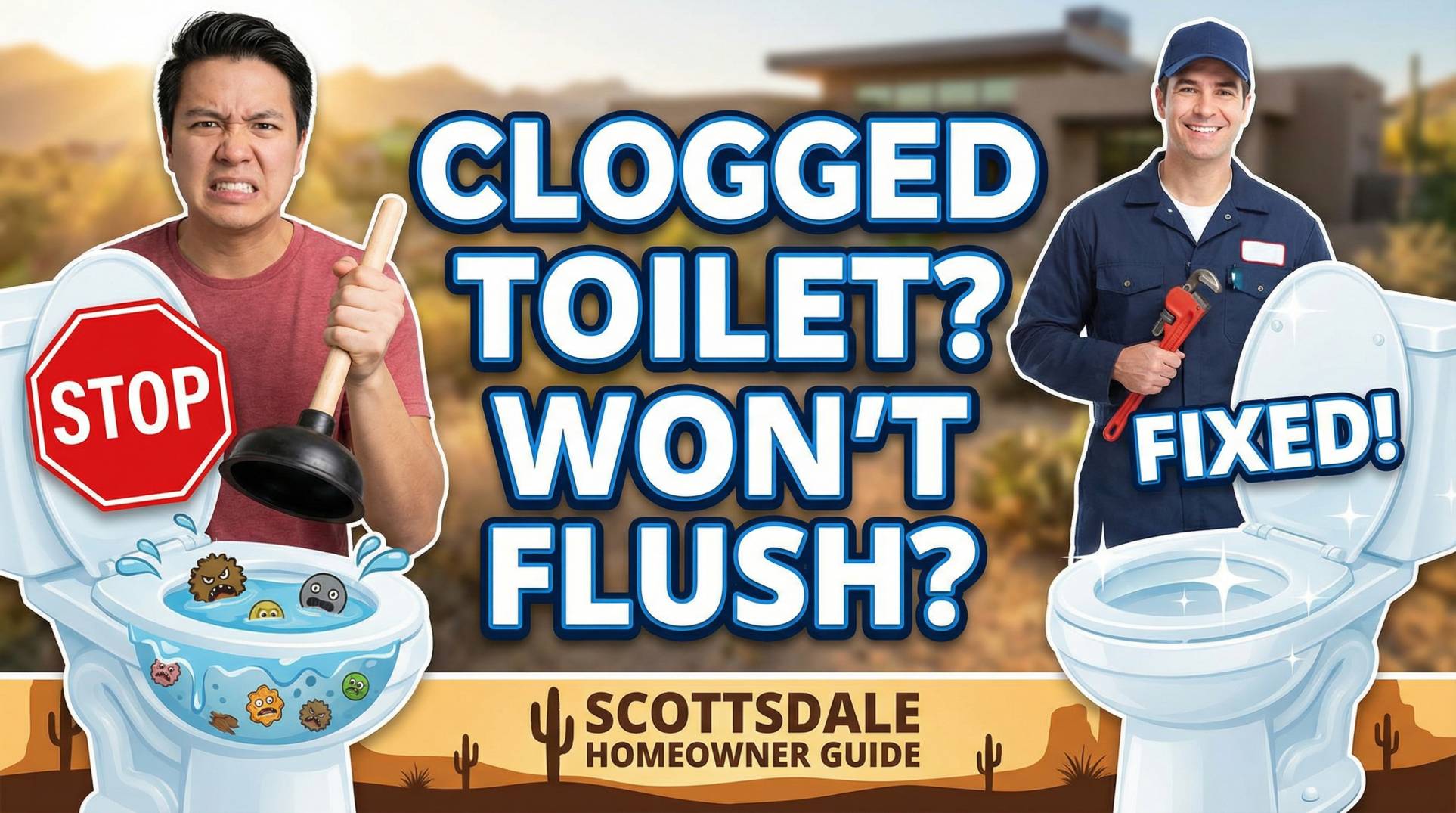
Few household emergencies cause more stress than a clogged toilet that won’t flush properly. Whether your toilet bowl fills with water but won’t drain, makes gurgling sounds, or simply refuses to flush at all, you’re facing a problem that needs immediate attention. For Scottsdale homeowners dealing with this frustrating issue, understanding the root causes and solutions can save you time, money, and unnecessary headaches.
This comprehensive guide walks you through the most common reasons your toilet won’t flush, practical troubleshooting steps you can take immediately, and when it’s time to call a professional plumber.
Understanding How Your Toilet Works
Before diving into solutions, it helps to understand the basic mechanics. Your toilet relies on several components working together: the tank holds water, the flush valve releases it, the flapper seals the valve, and the fill valve refills the tank. When you press the handle, a chain lifts the flapper, allowing water to rush into the bowl and create the siphon action that clears waste through the trap and drain line. Any disruption in this process can prevent proper flushing.
Blocked Toilet Trap or Drain Line
The most common culprit behind a toilet that won’t flush is a clogged toilet trap pipe or drain line. If your toilet bowl fills up but doesn’t drain, or drains very slowly with gurgling sounds, you likely have a blockage. This happens when toilet paper builds up, non-flushable items get stuck, or mineral deposits accumulate over time.
What causes these blockages:
-
Excessive toilet paper use overwhelming the pipes
-
Flushing items that shouldn’t go down toilets (wipes, feminine products, paper towels, dental floss)
-
Hair and debris accumulation
-
Hard water mineral buildup
-
Foreign objects accidentally dropped in the toilet
Immediate solutions you can try:
Start with a standard plunger, ensuring you have a good seal around the drain opening. Use firm, consistent plunges rather than aggressive ones. If the plunger doesn’t work, try the hot water and dish soap method: add a generous squirt of dish soap to the bowl, then carefully pour hot (not boiling) water from waist height. Let it sit for 10-15 minutes before attempting to flush. The soap helps break down the clog while hot water adds pressure.
For stubborn clogs, a toilet auger (also called a closet auger) can reach blockages that plungers can’t. Insert the auger into the drain opening and crank the handle while gently pushing forward until you feel resistance, then work through the blockage.
Low Water Level in the Tank
Your toilet needs sufficient water pressure to flush properly. If the tank isn’t completely full when you flush, there won’t be enough force to clear the bowl, resulting in weak or incomplete flushes. This is particularly common in Scottsdale homes with hard water that can affect tank components.
Check these issues:
Open the tank lid and observe the water level. It should sit about one inch below the overflow tube. If it’s significantly lower, your toilet lacks the pressure needed for effective flushing. The water supply valve (located on the wall behind the toilet near the floor) might be partially closed. Turn it counterclockwise until fully open and see if the tank fills properly.
Adjusting the fill valve:
If the valve is open but water level remains low, you may need to adjust the fill valve. Most modern fill valves have an adjustment screw or clip that allows you to raise the float, which increases the water level in the tank. Make small adjustments and test the flush after each change.
Damaged or Worn Flapper
The flapper is a rubber seal at the bottom of your tank that opens to release water during flushing and closes to allow the tank to refill. Over time, flappers become warped, cracked, or coated with mineral deposits from Scottsdale’s hard water. A damaged flapper prevents the tank from holding enough water or releases water too slowly.
Signs of flapper problems:
-
Water constantly running into the bowl
-
Tank takes forever to refill
-
Weak flush with little water pressure
-
Visible cracks or warping on the rubber flapper
Flappers are inexpensive and easy to replace. Turn off the water supply valve, flush to empty the tank, unhook the old flapper from the chain and mounting ears, and snap a new one in place. Make sure to bring your old flapper to the hardware store to get the correct replacement size.
Clogged Rim Jets and Siphon Jet
Under the rim of your toilet bowl are small holes called rim jets, plus a larger siphon jet at the bottom of the bowl. These jets release water that creates the swirling action and siphon force needed to flush waste. In Scottsdale’s hard water conditions, mineral deposits frequently clog these openings, drastically reducing flush performance.
How to clean rim jets:
Use a small mirror to inspect the holes under the rim for white mineral buildup or debris. Mix equal parts white vinegar and water in a spray bottle and thoroughly saturate the rim area. For severe buildup, plug the jets with toilet paper, pour vinegar into the overflow tube to fill the rim channel, and let it sit overnight. In the morning, remove the toilet paper plugs and scrub under the rim with a stiff brush.
For the siphon jet at the bottom of the bowl, use an Allen wrench or wire coat hanger to carefully break up any visible mineral deposits blocking the opening. Be gentle to avoid scratching the porcelain.
Loose or Broken Lift Chain
The lift chain connects your flush handle to the flapper. When you press the handle, the chain pulls the flapper up to release water. If the chain has too much slack, is tangled, or has broken links, the flapper won’t lift properly and your toilet won’t flush.
Quick fix:
Open the tank and press the flush handle while watching the chain mechanism. The chain should have just a slight amount of slack—about half an inch. If it’s too loose, adjust the chain clip on the flush lever arm to remove excess slack. If the chain is broken or corroded, replacement chains are available at any hardware store for just a few dollars.
Faulty Fill Valve
The fill valve controls how water enters the tank after each flush. When this component fails, clogs, or wears out, your tank may never fill completely or take an extremely long time to refill. This results in weak flushes since there isn’t sufficient water volume.
Troubleshooting the fill valve:
Listen carefully after flushing. If you hear continuous hissing or the tank takes more than a couple minutes to refill, the fill valve likely needs attention. Check for mineral deposits or debris around the valve and clean thoroughly with vinegar. Adjust the float arm if the water level seems incorrect.
If cleaning and adjusting don’t resolve the issue, replacing the fill valve is a straightforward project that most homeowners can complete in about 30 minutes with basic tools.
Ventilation Problems
Your plumbing system needs proper ventilation to maintain the correct air pressure for efficient flushing. Vent pipes allow air into the system, preventing vacuum conditions that slow drainage. When these vents become blocked by debris, bird nests, or other obstructions, you’ll experience slow draining, gurgling sounds, and weak flushes.
Identifying vent issues:
If multiple fixtures in your home drain slowly, or you hear gurgling from other drains when you flush the toilet, blocked vents are likely the culprit. Vent pipes typically extend through your roof, and in Scottsdale’s desert climate, they can become blocked by dust, leaves, or even small animals seeking shelter.
Vent problems usually require professional diagnosis and repair since accessing roof vents safely and properly clearing blockages requires specialized equipment.
Older or Low-Flow Toilet Issues
Older toilets and some low-flow models simply don’t generate enough flushing power, especially if they’re paired with any of the issues mentioned above. First-generation low-flow toilets from the 1990s are notorious for weak flushing performance and frequent clogs.
While you can optimize flush performance with the adjustments mentioned earlier, severely outdated toilets may need replacement with modern high-efficiency models that provide excellent flushing power while still conserving water.
When to Call a Professional Plumber
While many toilet flushing issues can be resolved with basic troubleshooting, certain situations require professional expertise:
-
You’ve tried multiple solutions without success
-
The clog returns immediately after clearing
-
Multiple toilets or drains in your home are affected
-
You suspect a main sewer line blockage
-
Water is leaking around the base of the toilet
-
You notice sewage backing up into other fixtures
-
The toilet rocks or moves when you sit on it
-
You lack the tools, time, or confidence to make repairs yourself
Professional plumbers have specialized equipment like sewer cameras, hydro-jetting systems, and diagnostic tools that identify problems regular homeowners can’t see or reach. They can also spot potential issues before they become major emergencies.
Preventing Future Toilet Clogs
Prevention is always easier than repair. Follow these practices to keep your Scottsdale toilet flushing properly:
-
Only flush toilet paper and human waste—never wipes (even “flushable” ones), feminine products, paper towels, or other items
-
Use moderate amounts of toilet paper and consider a second flush for larger amounts
-
Clean rim jets monthly with vinegar to prevent mineral buildup
-
Schedule annual plumbing inspections to catch small issues early
-
Consider installing a water softener to reduce hard water mineral deposits
-
Teach children what can and cannot be flushed
-
Keep the tank lid on to prevent objects from accidentally falling in
Get Professional Help in Scottsdale
When your toilet won’t flush and you need reliable, fast service, Emergency Master Plumbing & Air provides expert plumbing solutions throughout the Scottsdale area. Our experienced technicians diagnose toilet problems quickly and provide lasting repairs that get your bathroom back to normal. Whether you’re dealing with a stubborn clog, internal component failure, or recurring flushing issues, we have the expertise and equipment to solve the problem right the first time.
Don’t let a non-flushing toilet disrupt your household any longer. Call Emergency Master Plumbing & Air at 623-584-4706 for prompt, professional service you can trust.