Dealing with Low Shower Water Pressure in Scottsdale? Here’s What You Need to Know

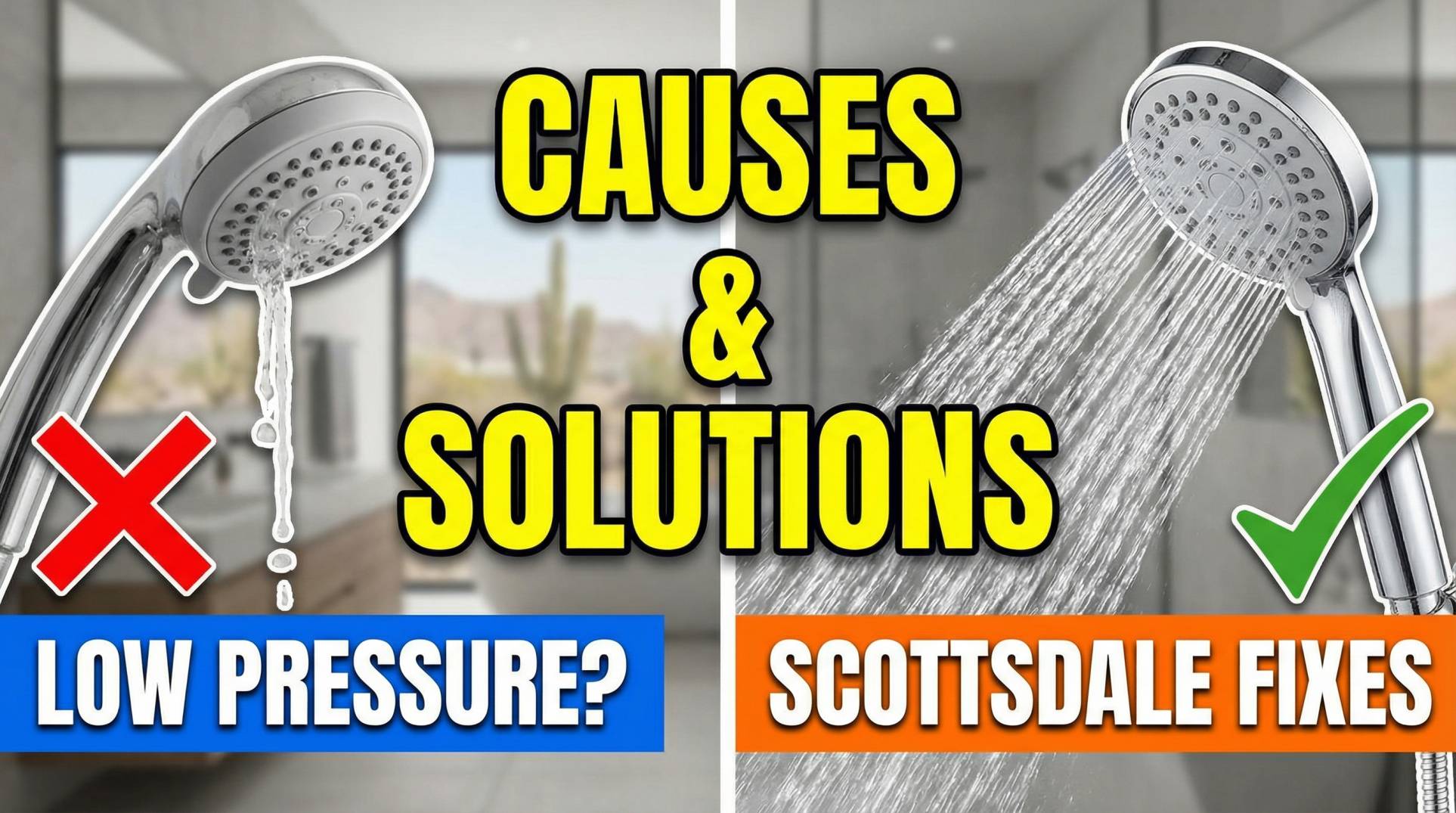
There’s nothing more frustrating than stepping into your shower after a long Arizona day, only to be greeted by a weak trickle of water instead of the refreshing spray you were hoping for. If you’re experiencing low water pressure in your Scottsdale shower, you’re not alone—this is one of the most common plumbing complaints among Valley homeowners.
The good news? Understanding what causes this issue is the first step toward fixing it. In this guide, we’ll walk you through the most common culprits behind weak shower flow and provide practical solutions you can implement to restore your shower’s performance.
Why Water Pressure Issues Are Common in Scottsdale
Scottsdale’s unique characteristics create specific challenges for home plumbing systems. The city’s hard water—which contains high levels of minerals like calcium and magnesium—can wreak havoc on your pipes and fixtures over time. Combined with aging infrastructure in some neighborhoods and the strain that rapid population growth places on municipal water systems, it’s no wonder many residents experience pressure problems.
Before you start tearing apart your bathroom, it’s important to determine whether the issue affects just your shower or your entire home. Turn on other faucets and fixtures throughout your house. If the pressure is low everywhere, you’re dealing with a whole-house issue. If it’s isolated to the shower, the problem likely lies within your bathroom’s plumbing or the showerhead itself.
Understanding Normal Water Pressure
Most homes should have water pressure between 40 and 60 pounds per square inch (psi). Anything below 40 psi is considered low and will result in weak flow from your fixtures. You can purchase an inexpensive pressure gauge from any hardware store to test your home’s pressure at an outdoor spigot. This simple test gives you a baseline to work from.
Common Causes of Low Shower Pressure
Mineral Buildup in Your Showerhead
Scottsdale’s hard water leaves behind mineral deposits that accumulate inside showerheads over time. These crusty buildups block the tiny holes where water flows through, reducing pressure and creating uneven spray patterns. Look closely at your showerhead—if you see white or greenish deposits around the nozzles, mineral buildup is likely your culprit.
Quick Fix: Remove your showerhead and soak it overnight in a solution of equal parts white vinegar and water. The acid in the vinegar dissolves mineral deposits. Use an old toothbrush to scrub away loosened buildup, rinse thoroughly, and reinstall. This simple maintenance task can dramatically improve flow and should be done every few months in areas with hard water.
Corroded or Clogged Pipes
Arizona’s mineral-rich water doesn’t just affect showerheads—it also creates buildup inside your pipes. Over time, this narrows the pipe’s interior diameter, restricting water flow. Older galvanized steel pipes are particularly susceptible to this problem. If your home was built before the 1970s and still has original plumbing, there’s a good chance internal corrosion is reducing your water pressure.
Corroded pipes often show other warning signs beyond low pressure. You might notice discolored water (rust-colored or brownish), strange metallic tastes, or even small leaks. These issues indicate it’s time for a professional inspection.
Faulty or Partially Closed Shut-Off Valves
Every shower has shut-off valves that control water flow to the fixture. Sometimes these valves aren’t fully opened after maintenance work, or they develop problems over time. In many bathrooms, these valves are located behind an access panel in the wall or under the bathroom sink.
Simple Check: If you can locate your shower’s shut-off valves, verify they’re completely open. The handle should be parallel to the pipe when fully open. Even a partially closed valve can significantly reduce pressure. If the valve feels stuck or difficult to turn, it may need replacement.
Problems with Your Pressure Regulator
Many Scottsdale homes have a pressure regulator (also called a pressure-reducing valve) installed where the main water line enters the house. This device protects your plumbing from excessive pressure from the city’s water supply. However, regulators can fail, stick, or require adjustment over time.
If all the fixtures in your home have low pressure, the regulator might be the issue. These devices typically last 10-15 years but can fail sooner. A malfunctioning regulator requires professional adjustment or replacement—it’s not a DIY job.
Water Heater Issues
Notice that your hot water pressure is weak, but cold water flows normally? The problem likely lies with your water heater. Sediment buildup in the tank, a partially closed hot water valve, or problems with the dip tube can all reduce hot water pressure while leaving cold water unaffected.
Scottsdale’s hard water accelerates sediment accumulation in water heaters. This sediment takes up space in the tank and can block outlet pipes, reducing flow throughout your home’s hot water system. Annual water heater maintenance, including flushing the tank, helps prevent this issue.
Leaks in Your Plumbing System
Hidden leaks siphon water away before it reaches your shower, resulting in lower pressure. Leaks can occur anywhere in your plumbing system—behind walls, under slabs, or in crawl spaces. Beyond reducing pressure, undetected leaks waste thousands of gallons of water annually and can cause serious structural damage.
Watch for signs like unexplained increases in your water bill, damp spots on walls or ceilings, the sound of running water when all fixtures are off, or warm areas on floors (indicating hot water leaks). If you suspect a leak, professional leak detection services can pinpoint the location without unnecessary demolition.
Municipal Water Supply Issues
Sometimes the problem isn’t in your home at all. Issues with city water mains, supply line breaks, or high demand during peak hours can temporarily reduce pressure throughout a neighborhood. Contact Scottsdale’s Water Department to check if there are known issues in your area.
Additionally, if your home is at a higher elevation than the water supply source, you may naturally experience lower pressure. This geographic challenge affects some hillside neighborhoods and may require a booster pump for adequate pressure.
When to Call a Professional Plumber
While some pressure issues have simple DIY solutions, many require professional expertise. Contact a licensed plumber if:
-
You’ve cleaned your showerhead but pressure remains low
-
Multiple fixtures throughout your home have weak flow
-
You notice rust-colored water or unusual smells
-
Your water pressure has suddenly decreased dramatically
-
You suspect leaks but can’t locate them
-
Your home has old galvanized pipes that may need replacement
-
The problem involves your water heater or pressure regulator
Professional plumbers have specialized tools to diagnose pressure problems quickly and accurately. They can perform camera inspections of your pipes, pressure tests throughout your system, and leak detection services that would be impossible for homeowners to replicate.
Preventive Maintenance for Consistent Water Pressure
Prevention is always easier than repair. Protect your Scottsdale home’s water pressure with these maintenance practices:
-
Install a water softener: This is perhaps the single best investment you can make in areas with hard water. Softeners remove minerals before they enter your plumbing system, preventing buildup in pipes and fixtures.
-
Clean showerheads regularly: Don’t wait until pressure drops—proactive cleaning every 2-3 months prevents severe buildup.
-
Flush your water heater annually: This removes sediment and maintains hot water pressure.
-
Replace aging fixtures: Older showerheads and valves often develop internal problems. Modern fixtures are more efficient and resistant to mineral damage.
-
Monitor your water bill: Sudden increases often indicate leaks that can reduce pressure.
Restore Your Shower’s Performance Today
Living with weak shower pressure doesn’t have to be your reality. Whether your issue stems from a clogged showerhead or something more complex buried in your home’s plumbing system, solutions are available.
If you’re in the Scottsdale area and need professional help diagnosing or fixing your water pressure problems, Emergency Master Plumbing & Air is here to help. Our experienced technicians understand the unique challenges that Arizona’s hard water and climate create for home plumbing systems. We’ll quickly identify the source of your pressure issues and provide effective, lasting solutions.
Don’t let another day go by with disappointing showers. Call Emergency Master Plumbing & Air at 623-584-4706 for fast, reliable service. We offer comprehensive plumbing diagnostics, pressure system repairs, and preventive maintenance to keep your home’s water flowing smoothly. Whether you’re dealing with a simple showerhead clog or need complete pipe replacement, our team has the expertise to restore your water pressure and your peace of mind.