DIY Plumbing Mistakes That Cost Homeowners

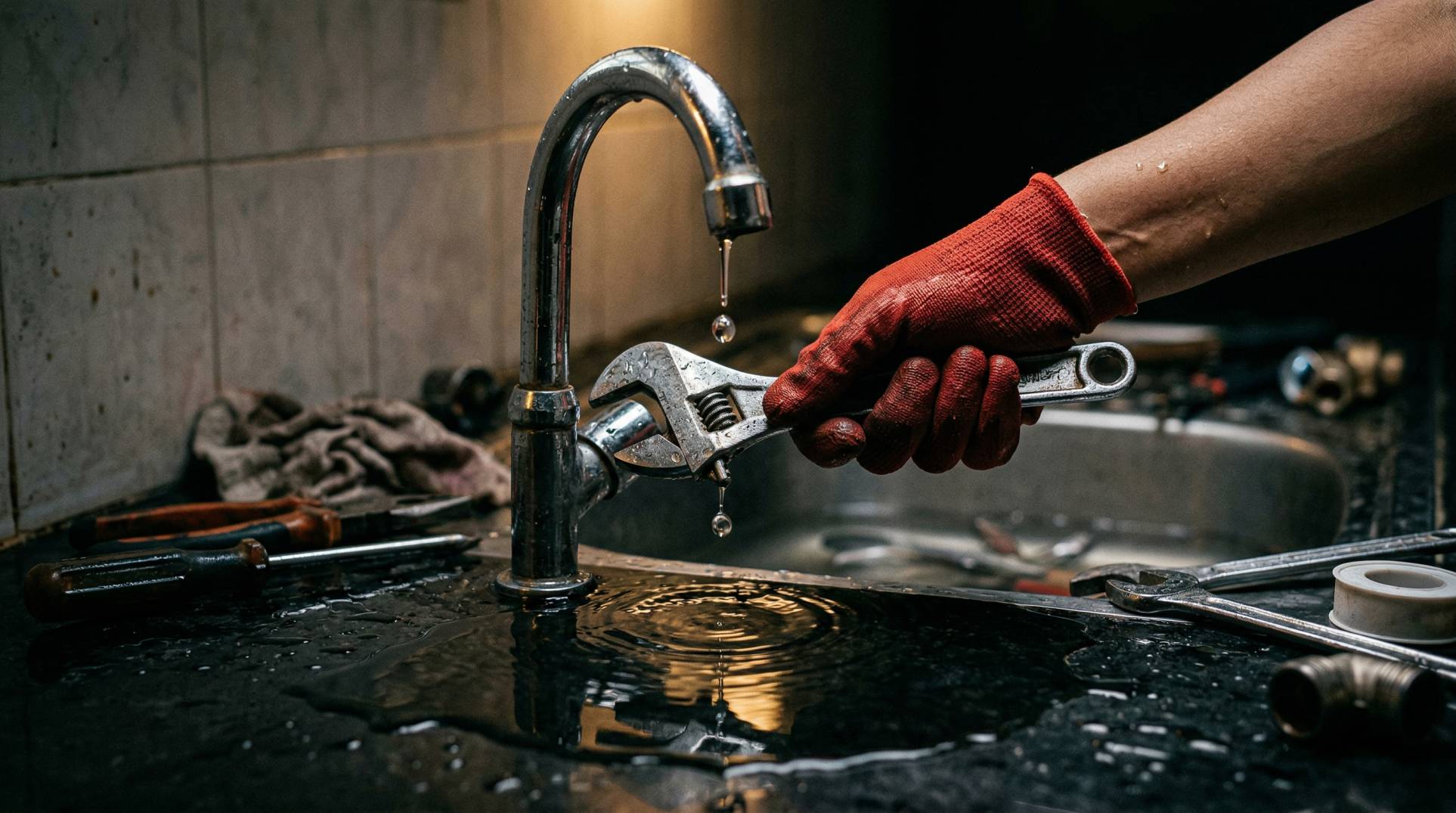
Homeowners often tackle plumbing issues to save time and money, but simple errors can lead to major damage and expensive fixes. Knowing these pitfalls helps prevent water loss, mold growth, and structural harm.
Over-Tightening Fittings and Connections
Many people believe cranking fittings as tight as possible creates a secure seal. This approach cracks plastic or brass parts, causing slow leaks that worsen over time.
Over-tightening toilet bolts can shatter porcelain bases, flooding bathrooms instantly. Hand-tighten plus a quarter-turn with a wrench works best; pros use torque tools for precision.
These hidden cracks invite water damage behind walls, raising repair bills by thousands. Always test connections under low pressure before full use.
Ignoring Shut-Off Valves Before Starting Work
Rushing into repairs without cutting water flow floods workspaces quickly. Forgetting this step turns a faucet swap into a gushing mess.
Locate your main shut-off valve near the water meter or entry point; turn clockwise to stop supply. Individual fixture valves under sinks or behind toilets provide targeted control.
In emergencies, this prevents escalation—open faucets to drain lines and confirm no flow. Buckets and towels ready nearby catch drips during transitions.
Using Chemical Drain Cleaners on Clogs
Pouring harsh chemicals seems like a fast fix for slow drains. These generate heat that softens or melts PVC and metal pipes if trapped by blockages.
They rarely clear deep grease or root intrusions, instead corroding fixtures over repeated use. Opt for a plunger or drain snake first; boiling water dissolves soap buildup safely.
If clogs persist, roots or debris demand professional cameras to avoid pipe ruin. Harsh cleaners void warranties on modern systems.
Mixing Pipe Types Without Proper Fittings
Connecting PVC to copper or ABS without transitions causes corrosion and bursts. Galvanized steel paired with plastic leads to electrolytic reactions eating fittings.
Use approved adapters like dielectric unions for metal-to-plastic joins. Deburr pipe ends smooth to ensure full insertion and glue bonds.
Mismatched slopes on drain lines trap waste, breeding bacteria and odors. Pros measure 1/4-inch drop per foot for gravity flow.
Skipping Shield Plates Behind Drywall
Drilling through studs for new lines risks nails piercing pipes later. Without nail plates, a picture hanger punctures supply lines, spraying water.
Install 1.5-inch metal shields over pipes within 1.25 inches of wall surfaces before closing up. Scanners detect lines first; mark clearly.
This low-cost step averts hidden floods discovered only during renovations.
Wrong Sealants for Joints and Fixtures
Plumber’s putty under sinks often cracks, letting water seep to cabinets. Silicone caulk resists moisture better for lasting seals.
PTFE tape on drain threads fails; use dope or hemp for compression fits. Avoid tape alone on plastic-to-plastic—it slips under pressure.
Test seals by running water 10 minutes; wipe joints dry and recheck after an hour.
Improper Water Heater Handling
DIY heater installs overlook venting, strapping, and drip pans. Poor gas line ties risk leaks; electrical shorts spark fires.
Power off breakers before draining; solder valves with handles accessible. Expansion tanks prevent pressure bursts in closed systems.
Annual flushes by experts extend life—sediment cuts efficiency 20-50%.
Neglecting Drain Line Slopes
Flat pipes pool water, slowing flow and inviting clogs. Ideal pitch carries solids without sags.
Measure with levels during installs; adjust hangers precisely. Vent stacks equalize pressure for smooth pulls.
Backups from poor grading flood lowest drains first—kitchens suffer most.
Using Household Tools on Plumbing
Pliers strip chrome finishes; vise grips mar soft metals. Pipe wrenches with jaws padded protect surfaces.
Adjustable basin wrenches reach tight spots under sinks safely. Dull blades on cutters crimp ends, weakening glue joints.
Invest in basics: seat wrench for cones, torch for solders with steady flame.
Forgetting to Deburr Pipe Ends
Rough edges from cutters block glue or push fits. Sharp burrs scrape O-rings in compression nuts.
Ream interiors with files or deburring tools post-cut. Smooth exteriors ensure even primer spread.
This minute step prevents 90% of DIY glue failures.
Hidden Costs of These Errors
Leaks waste 10,000 gallons yearly per U.S. home, hiking bills $200+. Mold from undetected drips triggers health issues, remediation $1,500 average.
Structural rot weakens floors; insurance denies coverage for neglect. One burst pipe floods $5,000+ in damages.
Pros spot issues early via cameras, saving 70% on crises.
Prevention Checklist for Homeowners
-
Map all valves and test quarterly.
-
Stock plunger, auger, safety glasses.
-
Learn your system’s age/materials.
-
Photograph hidden work for records.
-
Schedule yearly inspections.
Follow these to dodge disasters confidently.
When DIY Turns Urgent: Call Pros
DIY limits hit fast with complexities like sewer lines or codes. Licensed experts carry insurance, warranties, and diagnostics.
For burst pipes, backups, or no heat, immediate action counts. Shut water, mop up, then dial help.
Emergency Master Plumbing & Air stands ready 24/7 at 623-584-4706. Serving Phoenix with fast, reliable fixes—master your plumbing worries today.