Emergency Plumbing vs Regular Plumbing – Key Differences

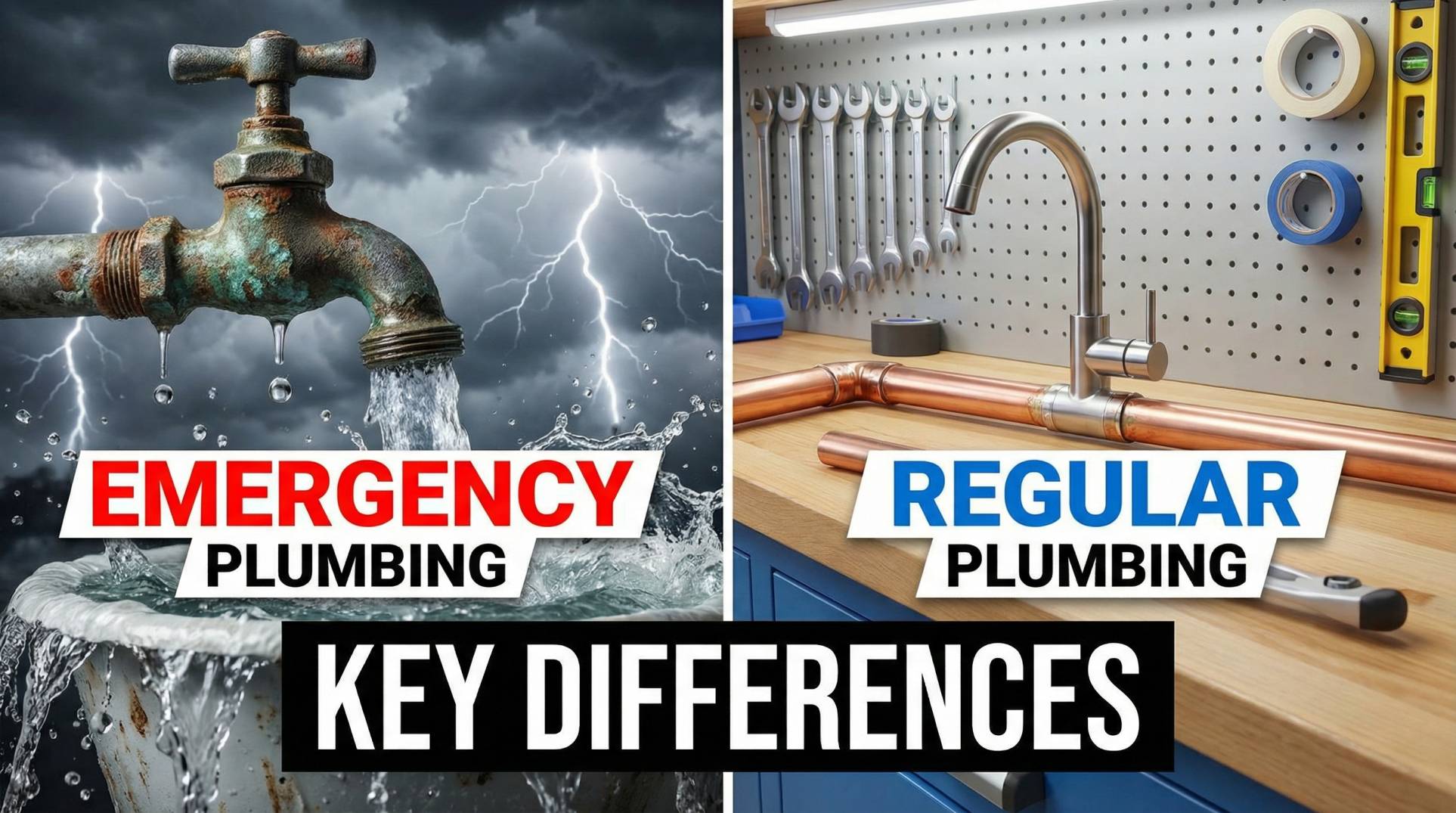
When water starts pooling on your kitchen floor at midnight or your toilet overflows during a family gathering, panic sets in quickly. Understanding when you need immediate help versus when you can schedule a service call can save you thousands of dollars in damage and unnecessary stress. This guide breaks down everything homeowners need to know about emergency and regular plumbing services, helping you make informed decisions when plumbing problems arise.
What Is Regular Plumbing?
Regular plumbing encompasses scheduled maintenance, planned installations, and non-urgent repairs that can wait for a convenient appointment. These services typically occur during standard business hours, usually between 8 AM and 5 PM on weekdays. A regular plumber handles tasks that don’t pose immediate threats to your property or safety.
Common Regular Plumbing Services
Regular plumbers address a wide range of planned projects and minor issues. Installing new fixtures like sinks, toilets, or faucets falls under routine service, as does replacing aging pipes during a renovation. These professionals also conduct preventive maintenance such as water heater servicing, drain cleaning, and plumbing inspections using camera technology to check pipe conditions.
Other routine services include fixing slow drains, repairing dripping faucets, upgrading plumbing fixtures for efficiency, and addressing minor leaks that aren’t causing active damage. The key factor is that these issues can wait days or even weeks without causing significant harm to your home.
What Is Emergency Plumbing?
Emergency plumbing addresses urgent situations that require immediate attention to prevent property damage, health hazards, or safety risks. These services operate around the clock—nights, weekends, and holidays—because plumbing disasters don’t follow convenient schedules.
Emergency plumbers specialize in rapid response and crisis management. Their primary goal is stopping the immediate problem quickly to minimize damage, even if a more comprehensive repair needs scheduling later.
Situations That Qualify as Plumbing Emergencies
Several situations absolutely warrant calling an emergency plumber immediately. Burst pipes rank among the most critical, as they can flood your home within minutes, causing extensive damage to flooring, walls, drywall, and personal belongings. Sewage backups also constitute emergencies because they create serious health hazards through contamination and pose safety risks.
Complete loss of water supply to your home, especially during winter months, qualifies as an emergency since your household cannot function normally. Similarly, if your only toilet is blocked or overflowing, you need immediate assistance. Gas leaks require emergency response due to explosion and poisoning risks.
Major water leaks that you cannot stop using isolation valves demand urgent attention. Frozen pipes in danger of bursting, flooding that threatens electrical systems, and complete water heater failure during cold weather also fall into the emergency category.
How to Determine If Your Situation Is an Emergency
Three critical questions help homeowners decide whether to call for immediate help or schedule a regular appointment.
Is There Active Damage Happening Right Now?
If water is actively spreading across floors, soaking into walls, or pooling near electrical outlets, you’re facing an emergency. The longer water flows uncontrolled, the more expensive repairs become. Water damage can quickly escalate from a few hundred dollars to tens of thousands when it affects structural elements, flooring, and belongings.
Does the Problem Pose a Safety or Health Risk?
Any situation involving sewage backup, gas odors, or water near electrical panels requires immediate professional intervention. These scenarios can cause illness, contamination, or life-threatening hazards. When safety is involved, waiting rarely makes the situation better.
Can Your Household Function Normally?
Consider whether you can maintain basic daily activities. If every drain in your house backs up simultaneously, if you have no running water at all, or if your heating system fails in winter, these conditions prevent normal living. While inconvenient, a single dripping faucet doesn’t stop household function and can wait for a scheduled appointment.
Key Differences Between Emergency and Regular Plumbing
Availability and Response Time
The most obvious distinction lies in availability. Regular plumbers work set business hours and schedule appointments days or weeks in advance. Emergency plumbers maintain 24/7 availability, responding to calls during nights, weekends, holidays, and any time disaster strikes.
Response time differs dramatically as well. Emergency plumbers typically arrive within 30 minutes to two hours, understanding that every minute counts when water is actively damaging your property. Regular plumbers schedule visits at mutually convenient times, sometimes days away.
Type of Work and Approach
Regular plumbers handle planned jobs with lower risk levels, focusing on preventive maintenance, installations, and addressing problems that developed gradually. They have time to order specific parts, schedule the most cost-effective approach, and complete work systematically.
Emergency plumbers tackle high-risk situations that may involve contamination, safety hazards, or rapid property damage. Their immediate focus is stopping the crisis—shutting off water flow, preventing further damage, and making temporary repairs that stabilize the situation. Comprehensive fixes might come later during a scheduled follow-up visit.
Cost Considerations
Emergency plumbing services carry significantly higher costs than routine appointments. You’re paying for several factors: immediate availability regardless of time, rapid response that requires reshuffling other jobs, after-hours labor rates, and the expertise to quickly diagnose and resolve crisis situations.
Regular plumbing services follow standard pricing structures without premium charges. Homeowners can often get multiple quotes, schedule work during promotional periods, or plan repairs around their budget timeline. While emergency services cost more upfront, they frequently save money overall by preventing extensive property damage that would cost far more to repair.
What to Do Before the Plumber Arrives
Taking immediate action during a plumbing emergency can minimize damage significantly. For burst pipes or major leaks, locate and shut off your main water supply valve immediately. Every home should have this valve clearly marked and accessible. If you cannot find or turn the main valve, shut off water at the fixture level if possible.
Move valuable items, electronics, and furniture away from water flow paths. Place buckets, towels, or tarps to contain spreading water while waiting for help. If you smell gas, evacuate your home immediately, avoid using any electrical switches or creating sparks, and call emergency services along with your plumber.
For sewage backups, keep family members and pets away from contaminated areas due to serious health risks. Turn off electricity to affected areas if water is present to prevent electrocution hazards. Taking photos of the damage helps with insurance claims later.
The Value of Preventive Maintenance
Regular plumbing inspections and maintenance significantly reduce the likelihood of facing emergency situations. Scheduled maintenance appointments allow plumbers to identify potential problems before they become crises—catching small leaks, detecting corroded pipes, clearing drain buildup, and ensuring systems function efficiently.
Preventive services include annual water heater inspections and flushing, drain cleaning to prevent clogs, pipe inspections using camera technology, checking for hidden leaks, and testing water pressure. These routine services cost a fraction of emergency repairs and extend the lifespan of your plumbing system.
Why Choose Professional Emergency Plumbing Services
Attempting to fix emergency plumbing issues yourself often worsens the situation. Professional emergency plumbers bring specialized tools, extensive training, and experience handling high-pressure situations. They diagnose problems accurately even under time pressure, preventing temporary fixes that fail days later.
Licensed plumbers also understand building codes and safety requirements, ensuring repairs meet standards. Their work typically includes warranties, providing peace of mind that if issues recur, they’ll return to make things right. Insurance companies may also require professional documentation when filing claims for water damage.
When You Need Help, Choose the Right Partner
Understanding the difference between emergency and routine plumbing helps you respond appropriately when problems arise. If you’re facing a dripping faucet or planning a bathroom renovation, schedule a convenient appointment during business hours. But when water is flooding your home, sewage backs up, or you smell gas, every minute counts.
For residents facing plumbing emergencies or needing reliable routine service, Emergency Master Plumbing & Air provides expert solutions around the clock. Our experienced technicians respond rapidly to crisis situations, arriving equipped to stop damage and restore your plumbing system. We also offer comprehensive maintenance services that prevent emergencies from happening in the first place.
Whether you’re dealing with a burst pipe at 2 AM or need to schedule a water heater replacement, our team delivers professional service you can trust. Don’t let plumbing problems disrupt your life or damage your property. Call Emergency Master Plumbing & Air at 623-584-4706 for immediate assistance or to schedule preventive maintenance that protects your home year-round.