Emergency Water Leak Repair: What Every Peoria Homeowner Needs to Know

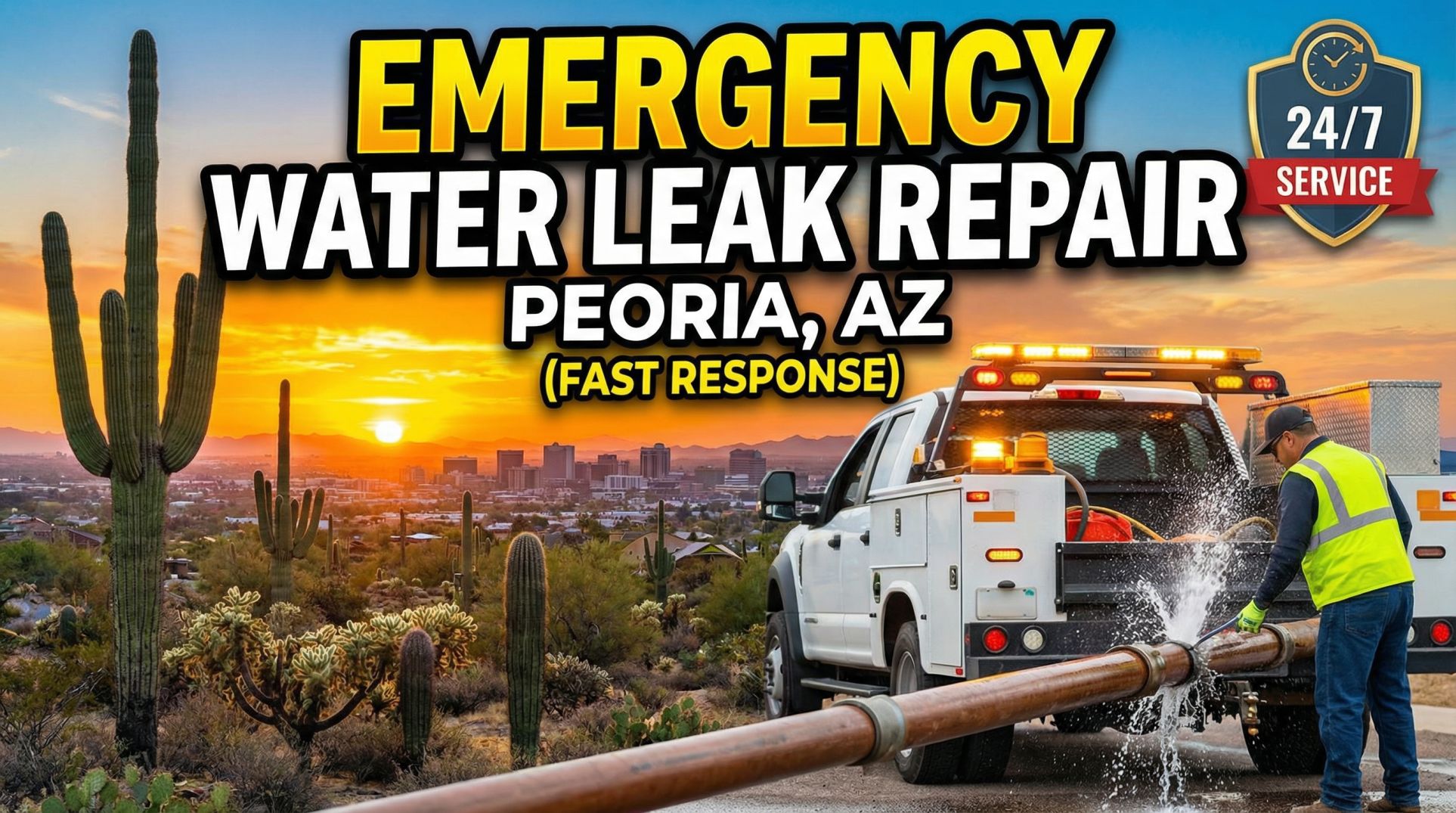
Water damage can destroy your home in minutes. A burst pipe or sudden leak doesn’t wait for convenient business hours, and the longer water flows unchecked, the more expensive the damage becomes. Understanding how to respond quickly to water emergencies can save thousands of dollars and protect your property from devastating harm.
Recognizing a True Plumbing Emergency
Not every drip requires immediate action, but certain situations demand instant response. A plumbing emergency exists when water actively damages your property, threatens your home’s structural integrity, or creates unsafe living conditions. Burst pipes that spray water throughout rooms, water heaters leaking gallons onto floors, or sewer backups flooding bathrooms all qualify as emergencies requiring professional intervention within hours, not days.
Many homeowners underestimate how quickly water spreads through drywall, flooring, and insulation. What starts as a small leak behind a wall can saturate surrounding materials, promote mold growth, and compromise electrical systems. The difference between minor repairs and major reconstruction often comes down to response time in the first few hours.
Common Causes of Emergency Water Leaks
Aging and Corroded Pipes
Pipes don’t last forever. Homes built more than 30 years ago often contain plumbing systems nearing the end of their functional lifespan. Corrosion eats through metal pipes from the inside out, creating weak spots that suddenly rupture under normal water pressure. Rust-colored water, frequent small leaks, or visible corrosion on exposed pipes signal that your plumbing system needs professional evaluation before a catastrophic failure occurs.
Extreme Pressure Problems
Municipal water systems occasionally experience pressure surges that overwhelm residential plumbing. High water pressure strains joints, valves, and pipe connections until something gives way. Pressure regulators fail over time, allowing excessive force to hammer through your pipes. If you notice loud banging sounds when turning faucets on or off, or if fixtures spray water with unusual force, your system operates under dangerous pressure levels.
Failed Connections and Worn Components
The weakest points in any plumbing system are the connections. Joints between pipes, fittings under sinks, and hose connections behind washing machines gradually loosen from vibration and thermal expansion. Rubber washers dry out, gaskets crack, and threaded connections work themselves loose. These failures typically happen without warning, transforming a secure connection into a gushing leak in seconds.
Temperature-Related Failures
Arizona’s desert climate creates unique plumbing challenges. While Peoria rarely experiences freezing temperatures, extreme summer heat causes pipes to expand and contract. Outdoor pipes and those running through unconditioned attics face the greatest stress. Winter cold snaps, though infrequent, can catch unprepared systems off guard, causing exposed pipes to freeze and burst when temperatures drop.
Immediate Actions During a Water Emergency
Shut Off the Water Supply
Your first priority is stopping the flow. Every home has a main water shutoff valve, typically located near the water meter or where the main line enters the house. Turn this valve clockwise to stop all water flow into your home. If the leak originates from a specific fixture, look for dedicated shutoff valves under sinks, behind toilets, or near water heaters. Knowing these locations before an emergency strikes saves precious minutes when water pours through your ceiling.
Control the Damage
Once water stops flowing, focus on damage control. Move furniture, electronics, and valuables away from affected areas. Place buckets under active drips and use towels to contain spreading water. If water threatens electrical outlets or panel boxes, shut off power to affected circuits at your breaker panel. Never stand in water while operating electrical switches—safety comes before property protection.
Document Everything
Take photos and videos of the damage from multiple angles before cleaning up. Insurance claims require documentation showing the extent of water damage, the leak source, and affected areas. Capture images of water-stained ceilings, soaked carpets, damaged belongings, and the leaking pipe or fixture itself. This evidence proves invaluable when filing claims and working with restoration companies.
Remove Standing Water
Standing water continues causing damage every minute it remains. Use mops, towels, or a wet-dry vacuum to remove water from floors. Pull up soaked rugs and move them outside to dry. Open windows and run fans to promote air circulation and prevent mold growth. The faster you dry affected areas, the less secondary damage occurs to flooring, baseboards, and walls.
Detecting Hidden Leaks Before They Become Emergencies
Monitor Your Water Meter
Your water meter tells the truth about leaks even when you can’t see them. Turn off every water-using appliance and fixture in your home, then check your water meter. Write down the reading and wait one hour without using any water. If the meter reading increases, water is escaping somewhere in your system. This simple test reveals leaks behind walls, under slabs, or in underground pipes before they cause visible damage.
Inspect High-Risk Areas
Certain locations develop leaks more frequently than others. Check under kitchen and bathroom sinks monthly for moisture, water stains, or mildew odors. Examine the cabinet floor for warping or discoloration. Look at water heater bases for rust or pooling water. Inspect washing machine hoses for cracks, bulges, or loose connections. Catching small problems during routine inspections prevents middle-of-the-night emergencies.
Watch for Warning Signs
Your home communicates problems before catastrophic failures occur. Unexplained increases in water bills suggest hidden leaks. Warm spots on floors may indicate hot water line leaks beneath the surface. Musty odors, especially in bathrooms and kitchens, signal moisture accumulation behind walls. Paint bubbling or wallpaper peeling away from walls shows water infiltration. Low water pressure throughout the house can indicate significant leaks in main supply lines.
Test Your Toilet
Toilets leak more often than any other fixture, wasting hundreds of gallons monthly. Add several drops of food coloring to the toilet tank, then wait 30 minutes without flushing. If color appears in the bowl, the flapper valve leaks, allowing water to constantly drain from the tank. This silent leak wastes water and money while potentially damaging flooring around the toilet base.
Prevention: Protecting Your Home from Water Emergencies
Maintain Your Plumbing System
Regular maintenance prevents most plumbing emergencies. Have a professional plumber inspect your entire system every two years. Professional inspections identify corroded pipes, failing water heaters, and worn components before they fail catastrophically. Replace washing machine hoses every five years regardless of appearance—rubber degrades internally before showing external damage. Install water hammer arrestors if you hear banging pipes. These small investments prevent expensive emergency repairs.
Upgrade Vulnerable Components
Not all plumbing materials are created equal. If your home contains polybutylene pipes installed during the 1980s and 1990s, plan for replacement—these pipes fail at high rates. Consider replacing standard rubber washing machine hoses with braided stainless steel versions that resist bursting. Install water sensors near water heaters, under sinks, and behind washing machines. These inexpensive devices alert you to leaks before they flood your home.
Prepare for the Unexpected
Keep emergency supplies accessible. Store plumber’s tape, pipe clamps, and bucket wrenches in known locations. Mark your main water shutoff valve clearly and ensure all household members know its location. Consider installing a whole-house automatic shutoff system that stops water flow when it detects unusual usage patterns. These systems provide protection even when you’re away from home.
When Professional Help Becomes Essential
Complex Repairs Require Expertise
Some situations exceed homeowner capabilities. Burst pipes inside walls require opening drywall, replacing damaged sections, and ensuring proper connections. Water heater failures need immediate replacement to restore hot water and prevent ongoing damage. Main line breaks affect water supply to your entire home and require specialized equipment to repair. Attempting complex repairs without proper training and tools often makes problems worse and voids insurance coverage.
Time-Sensitive Situations
Plumbing emergencies don’t pause for research or DIY attempts. When water actively damages your home, immediate professional response minimizes total damage. Licensed plumbers arrive with diagnostic equipment, replacement parts, and repair tools needed to stop leaks and restore normal operation. Delays measured in hours translate to damage costs measured in thousands.
Code Compliance and Permits
Many plumbing repairs require permits and inspections to meet building codes. Professional plumbers understand local requirements and ensure repairs meet standards that protect your home’s value and your family’s safety. Unpermitted work creates problems when selling your home and may violate insurance policy requirements.
Getting Fast, Reliable Emergency Leak Repair in Peoria
Water emergencies require immediate professional response from experienced technicians who understand local plumbing systems and common failure points. Emergency Master Plumbing & Air provides rapid response emergency water leak repair throughout Peoria and surrounding communities. Their licensed plumbers arrive equipped to diagnose leak sources, stop active water flow, and complete permanent repairs that prevent recurring problems.
Available 24 hours a day, seven days a week, their emergency response team understands that water damage doesn’t respect business hours. Whether you’re dealing with burst supply lines, failed water heaters, or mysterious leaks causing ceiling stains, fast professional service minimizes damage and restoration costs. Don’t let a plumbing emergency destroy your home—call Emergency Master Plumbing & Air at 623-584-4706 for immediate assistance with Peoria Emergency Water Leak Repair Service (Fast Response).