
Is Your Water Softener Not Working? Here’s How to Fix Common Salt Bridge Problems

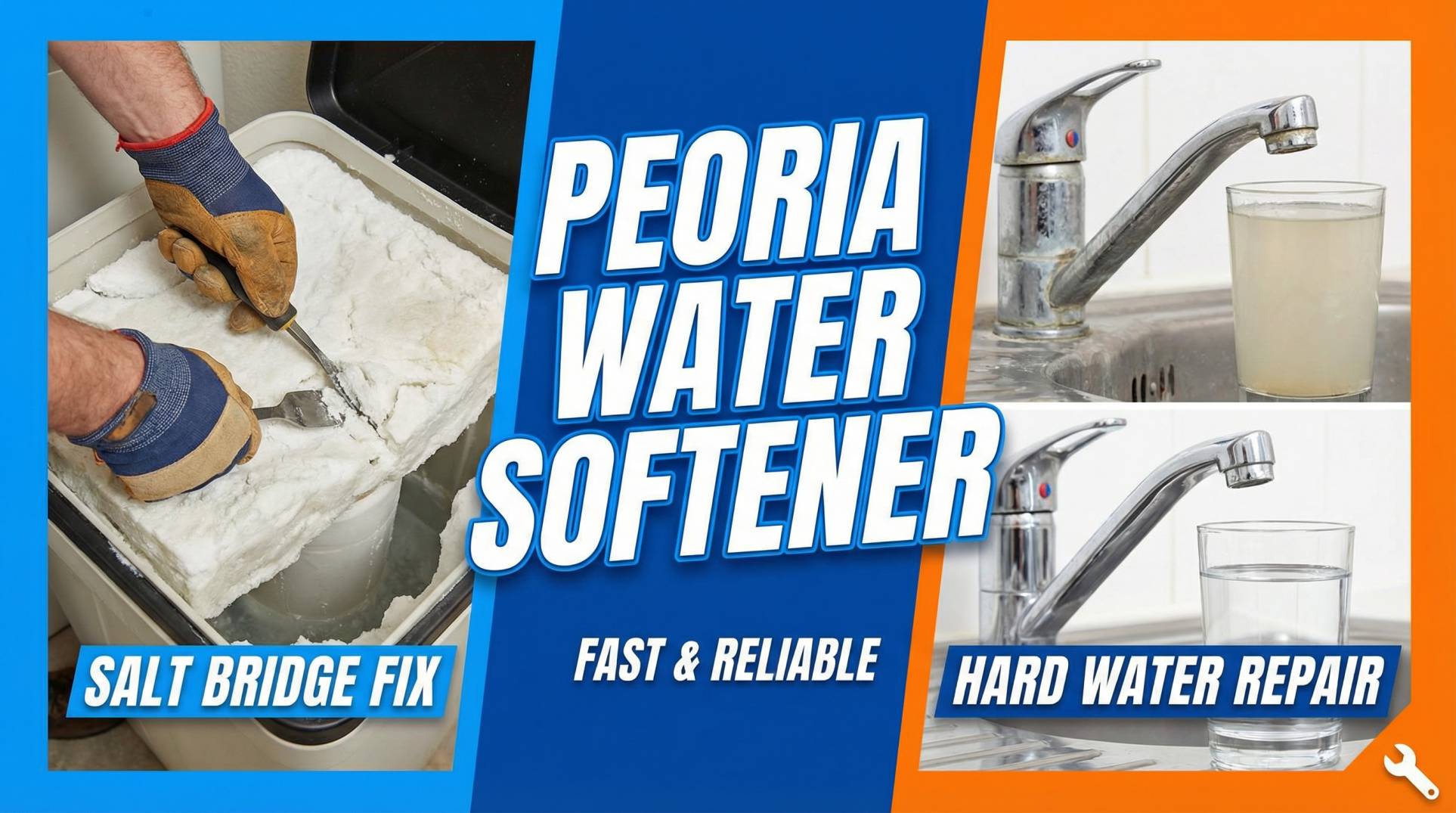
If you’ve noticed your water feels hard again—leaving spots on dishes, making soap harder to lather, or creating scale buildup on fixtures—your water softener might have developed a salt bridge. This frustrating problem affects thousands of Arizona homeowners every year, but the good news is that it’s often fixable with some basic troubleshooting.
A salt bridge occurs when a hard crust forms in your brine tank, creating a hollow space between the water and salt. When this happens, your softener can’t regenerate properly, and hard water starts flowing through your home again. Let’s explore what causes this problem and how you can resolve it.
Understanding What a Salt Bridge Really Is
A salt bridge forms when humidity causes salt pellets in your brine tank to clump together and harden into a solid mass. This crusty layer sits above the water line, preventing the salt from dissolving and creating the brine solution your softener needs to regenerate the resin beads.
Think of it like a layer of hardened brown sugar in your pantry—except this “bridge” can be several inches thick and span the entire diameter of your tank. The water softener continues running through its cycles, but without access to dissolved salt, it can’t remove the minerals from your water supply.
Arizona’s dry climate with occasional humidity spikes creates perfect conditions for salt bridges. Temperature fluctuations in garages or utility rooms where softeners are often installed make the problem even more likely.
How to Know If You Have a Salt Bridge
The most obvious sign is hard water symptoms returning despite having plenty of salt in your tank. You might notice white crusty deposits on faucets, shower doors covered in water spots, or your soap and shampoo not lathering like they used to.
Check your salt level visually—if it looks the same week after week even though your softener is running, that’s a red flag. A properly functioning system uses salt regularly, so a static salt level suggests the salt isn’t dissolving.
Here’s a simple test: Take a broom handle or long stick and gently push down on the salt in your tank. If you feel resistance and then suddenly break through a hard layer, you’ve found your salt bridge. The stick should move easily through loose salt until it reaches water at the bottom.
Step-by-Step Guide to Breaking Up a Salt Bridge
Start by unplugging your water softener or turning off its power supply. Safety first—you don’t want the system trying to regenerate while you’re working inside the tank.
Use a long tool like a broom handle, plastic rod, or even a piece of PVC pipe to break up the bridge. Push down firmly but carefully in multiple spots around the tank. You’ll feel the crust crack and break apart. Work your way around the entire circumference to ensure you’ve broken up all the hardened sections.
Once you’ve broken the bridge, scoop out any large chunks you can reach. These won’t dissolve properly and might cause another bridge to form. You want loose, free-flowing salt pellets in your tank.
Let the remaining loose salt settle for about 15 minutes, then add about four gallons of warm water to the tank. This helps kickstart the brine-making process. Wait another 20 minutes before plugging your softener back in and manually starting a regeneration cycle.
Check the system the next day to confirm water is flowing properly and the salt level has dropped slightly, indicating the softener is working correctly again.
Preventing Salt Bridges from Forming Again
The type of salt you use makes a significant difference. High-purity pellets labeled as “water softener salt” or “solar salt” are your best options. Avoid rock salt, which contains more impurities that contribute to bridging and mushing problems.
Keep your brine tank at least one-quarter full but no more than two-thirds full. Overfilling increases humidity inside the tank and adds weight that can compact salt into solid masses. A good rule is to check monthly and add salt before it drops below the water line.
Store your salt bags in a cool, dry location away from humid areas. Even though the bags are sealed, moisture can still affect the salt quality over time. Garages in Arizona can get extremely hot in summer, which doesn’t help.
Clean your brine tank completely once a year. This means emptying all the salt, scrubbing the tank interior to remove any salt residue or debris, and checking the brine well for buildup. A clean tank significantly reduces bridging issues.
Consider installing a dehumidifier in the room where your softener is located if humidity is consistently high. Some homeowners find that improving ventilation in utility closets helps prevent recurring problems.
Recognizing the Warning Signs of Hard Water Damage
Hard water doesn’t just create minor inconveniences—it can seriously damage your plumbing system and appliances over time. Scale buildup inside pipes reduces water pressure and efficiency, forcing your water heater to work harder and increasing energy bills.
Appliances like dishwashers and washing machines develop mineral deposits on heating elements and internal components, shortening their lifespan considerably. Many manufacturers void warranties if hard water damage is evident, making prevention crucial for protecting your investment.
Watch for white or greenish stains around pipe fittings and valve connections. These mineral deposits indicate hard water is corroding your plumbing fixtures. Your water heater might make popping or rumbling sounds as sediment accumulates at the bottom of the tank, reducing capacity and efficiency.
Soap scum becomes increasingly difficult to remove from bathroom surfaces. You’ll use more cleaning products and spend more time scrubbing, which adds up to extra expense and effort. Your laundry might feel stiff or scratchy even after washing, and colors can appear dull.
When DIY Solutions Aren’t Enough
Sometimes breaking up a salt bridge doesn’t solve the underlying problem. If bridges keep forming every few weeks, you might have a more serious issue with your softener’s design, installation location, or internal components.
A malfunctioning brine float or valve can prevent proper water levels in your tank, creating conditions where bridges form easily. The timer mechanism might not be triggering regeneration cycles at the right intervals, allowing resin beads to become completely saturated before cleaning.
If you’ve followed all prevention steps and still experience recurring hard water problems, the resin bed itself might be exhausted and need replacement. Resin typically lasts 10-15 years, but poor water quality or system design can shorten this lifespan.
Older systems might not be sized correctly for your current household water usage, especially if you’ve added family members or installed new water-using appliances. An undersized softener regenerates too frequently and wears out faster, while an oversized unit might not cycle often enough to prevent stagnation.
Getting Professional Help for Persistent Water Softener Issues
Professional plumbers have specialized tools and diagnostic equipment to identify problems that aren’t obvious to homeowners. They can test your water hardness levels, inspect internal valves and seals, and determine whether repairs or replacement make more financial sense.
Attempting complex repairs yourself might void your softener’s warranty or cause additional damage if you’re not familiar with the system’s internal workings. Professional service often costs less than buying parts and potentially making mistakes that require starting over.
Regular maintenance by a qualified technician can extend your water softener’s life significantly. They’ll check components you can’t easily access, adjust settings for optimal performance, and catch small problems before they become expensive emergencies.
Expert Water Softener Repair in Peoria
If you’re dealing with persistent salt bridges, hard water problems, or any other water softener issues in the Peoria area, Emergency Master Plumbing & Air provides expert diagnostic and repair services. Our experienced technicians understand Arizona’s unique water conditions and can quickly identify whether you need a simple fix or more comprehensive service.
We handle everything from salt bridge removal and brine tank cleaning to valve replacement and complete system evaluations. Don’t let hard water damage your plumbing and appliances—call us at 623-584-4706 for fast, reliable water softener repair.