
Low Water Pressure Problems – Prescott AZ

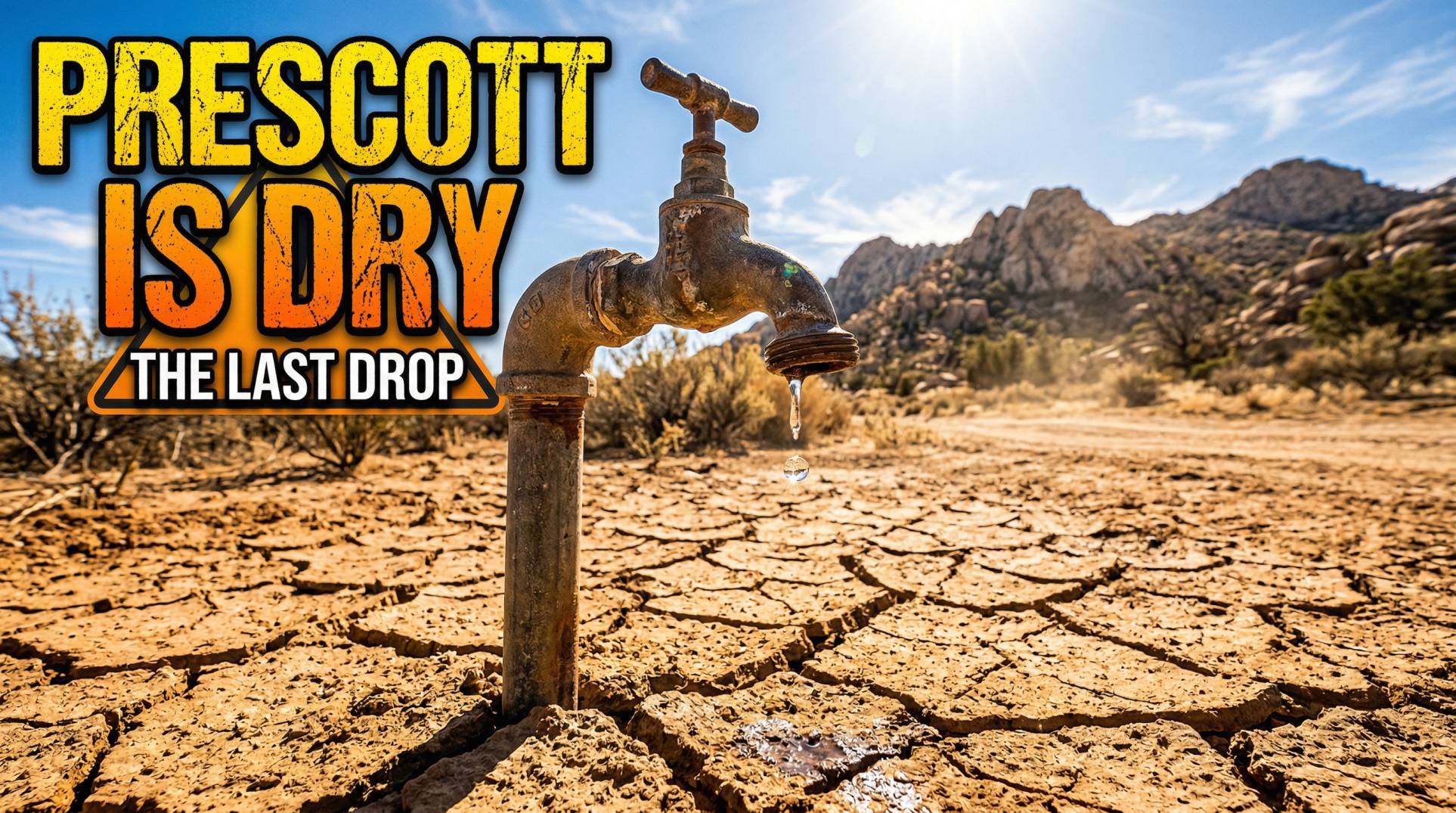
Low water pressure creates daily frustrations in Prescott, AZ homes, from weak showers to slow dishwashing. Many residents face this issue due to the area’s unique water challenges and aging infrastructure.
Common Signs of Low Water Pressure
You might notice sputtering faucets, a trickle from showerheads, or toilets that take forever to refill. These symptoms often worsen in upper floors or distant fixtures, signaling uneven flow throughout your home. In Prescott’s high-desert climate, this problem affects nearly every household at some point.
Why Prescott Homes Experience Low Water Pressure
Arizona’s hard water, loaded with minerals like calcium and lime, builds up inside pipes over time, narrowing their inner diameter. Prescott’s elevation and distance from municipal pumping stations naturally reduce pressure in outlying areas like Williamson Valley or Yavapai Hills. Recent regional droughts have strained supplies, with some northern communities hauling water after wells ran dry, amplifying home-level issues.
Aging galvanized pipes, common in older Prescott properties, corrode and rust internally, further restricting flow. Municipal reductions during conservation efforts or peak summer demand can drop pressure system-wide. Hidden factors like elevation changes across hilly terrain exacerbate this for homes on Prescott’s outskirts.
Top Causes Breakdown
Quick Diagnostic Steps
Start by checking one faucet at a time—remove the aerator screen and rinse under strong flow elsewhere. If only hot water lags, sediment in your water heater is likely culprit. Test outdoor spigots; low pressure there points to main line issues. Use a simple pressure gauge from hardware stores, aiming for 40-60 PSI at fixtures—below 40 PSI confirms a problem.
Time your shower: under 2 gallons per minute means action is needed. Inspect for wet spots under sinks or around toilets, as slow leaks rob pressure without obvious puddles. Document variations by time of day, as peak usage spikes reveal supply limits.
Simple DIY Fixes to Try First
Clean aerators with vinegar soak overnight—hard water minerals dissolve easily, often restoring 20-30% flow. Replace showerheads with low-flow models designed for better pressure, like those with adjustable sprays. Straighten kinked hoses on washing machines or fridge lines, a frequent oversight.
Flush your water heater by draining sediment annually; this prevents hot-side slowdowns. For PRV access (usually near your main shutoff), adjust clockwise in quarter-turns while monitoring with a gauge—but stop if unsure, as over-pressurizing risks bursts. These steps resolve 40% of cases without tools.
Advanced Home Solutions
Upgrade to PEX or copper piping for rust-free flow; these modern materials resist scaling and handle Prescott’s temperature swings. Install a whole-home water softener to neutralize minerals proactively, extending pipe life by years. Tankless water heaters maintain consistent pressure without sediment traps.
Consider a booster pump for multi-story homes, wired to activate on demand. In areas with municipal variability, a storage tank system buffers supply. Pair these with annual inspections to catch issues early.
When to Call a Professional Plumber
DIY limits hit fast with buried leaks or main line clogs—symptoms include muddy yards or sudden drops across all fixtures. PRV replacements demand licensing to avoid liability, especially under Arizona codes. If pressure falls below 30 PSI or fluctuates wildly, pros use cameras and locators for precise diagnosis.
Winter freezes in Prescott crack pipes silently; emergencies like no-flow situations risk water damage. Licensed techs handle permits for repiping or softener installs, ensuring code compliance. Expect diagnostics in under an hour for most calls.
Preventing Future Low Water Pressure
Maintain softeners monthly with salt refills to combat minerals. Schedule bi-annual pro inspections, focusing on PRVs and mains. Opt for 45-degree bends over sharp elbows in any renos—they reduce friction loss by up to 3 liters per minute. Insulate pipes against freezes, vital in Prescott’s chilly nights.
Monitor city water reports from prescott-az.gov for supply alerts, adjusting usage during droughts. Low-flow fixtures paradoxically boost perceived pressure while conserving—win-win in water-scarce Yavapai County.
Real Prescott Resident Stories
Homeowners in Prescott Valley report wells dropping from 120 to 18 gallons per minute, forcing trucked water at higher bills. A Granite Mountain community hauled supply after five dry wells, mirroring urban edge pressures. Local forums buzz with fixes, from softeners to full repipes yielding “like-new” showers.
One fix: swapping galvanized for UPVC pipes restored full flow without pumps. These tales underscore acting before shortages worsen.
Long-Term Regional Water Outlook
Prescott’s aquifer overdraft looms unless conservation ramps up, per local analyses. Communities north of town already truck water, with rate hikes covering costs. Homes adapting now—softening, efficient fixtures—stay ahead as supplies tighten.