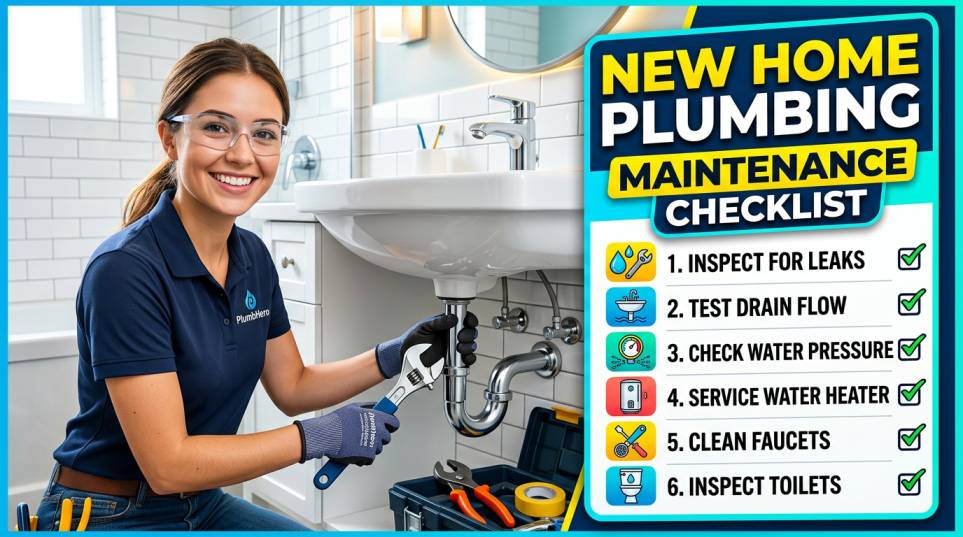
New Home Plumbing Maintenance Checklist

Moving into a new home brings excitement, but it also means taking charge of systems like plumbing to avoid surprises down the road. Regular checks help catch small issues before they turn into costly repairs, ensuring your water flows smoothly and safely.
Why Maintenance Matters for New Homes
New constructions often use modern materials, yet connections can loosen, seals may dry out, and usage reveals hidden flaws. Skipping checks leads to leaks wasting hundreds of gallons yearly or pressure problems stressing fixtures. Homeowners who inspect routinely save on water bills and prevent mold from unnoticed drips.
Establishing habits early protects your investment. In the first year, focus on settling-in tasks; then shift to seasonal routines. This approach keeps everything efficient without overwhelming your schedule.
Weekly Quick Inspections
Start simple with habits that fit your routine. These take minutes but spot problems fast.
-
Run water in every sink, tub, and shower to check flow; slow drains signal clogs from construction debris.
-
Listen for unusual noises like banging pipes, which indicate loose fittings or high pressure needing adjustment.
-
Glance under sinks for damp spots or corrosion on pipes, especially PVC joints common in new builds.
These steps flush out air pockets from initial use and confirm no immediate leaks. Pour a bucket of hot water down rarely used drains weekly to keep traps full and prevent sewer gases.
Monthly Fixture and Drain Checks
Dedicate one day a month to hands-on reviews. This prevents buildup and wear.
-
Examine faucets and showerheads for drips; tighten handles or replace worn washers to stop waste.
-
Remove and clean aerators on faucets with vinegar soak to dissolve mineral deposits affecting flow.
-
Test every toilet by adding food coloring to the tank—color in the bowl after 15 minutes means a faulty flapper needing replacement.
-
Flush strainers in all drains and use baking soda plus vinegar monthly to clear grease or hair without chemicals.
Water pressure should stay 40-60 PSI; use a $10 gauge from hardware stores if unsure. Low pressure might mean clogged lines; high could burst pipes over time.
Quarterly System Reviews
Every three months, dig deeper into less obvious areas. This catches seasonal shifts.
-
Inspect exposed pipes in basement, garage, or crawlspace for insulation gaps, rust, or cracks—add foam sleeves if needed for temperature protection.
-
Test the main shut-off valve by turning it off and on slowly; stiff ones risk failure during real emergencies.
-
Check outdoor hose bibs (spigots) for leaks when off, drain lines to avoid winter freezes, and screens for debris.
-
Run hot water and feel pipes for consistent heating; uneven temps suggest sediment in lines.
Invite a family member to help document findings with photos. Track changes over quarters to predict wear patterns unique to your home.
Semi-Annual Water Heater Care
Your water heater works nonstop, so give it focused attention twice yearly.
-
Turn off power or gas, attach a hose to the drain valve, and flush 5-10 gallons to remove sediment buildup reducing efficiency.
-
Inspect the anode rod (sacrificial metal stick inside) for heavy corrosion—replace every 2-3 years to extend tank life.
-
Test the temperature-pressure relief valve by lifting the lever; water should flow steadily then stop.
-
Set thermostat to 120°F max to balance hot water and scald prevention.
These steps improve energy use by 10-20% and avert explosions from overpressure. For gas models, sniff for leaks annually and call pros if detected.
Annual Professional Deep Dive
Yearly, schedule an expert inspection even if DIY looks good. New homes benefit from baseline pros using cameras.
-
Sewer line scoping detects root intrusion or bellied pipes invisible otherwise.
-
Full pressure test confirms regulator function against municipal fluctuations.
-
Dye tests verify no silent leaks dropping your efficiency.
-
Fixture calibration ensures code compliance post-settlement shifts.
Professionals spot code variances from rushed builds. Expect $200-400 cost, far less than $5,000 pipe bursts.
Common New Home Plumbing Issues and Fixes
New builds face specific pitfalls. Address them proactively.
These table breakdowns prioritize action. For example, water hammer often stems from rapid valve closures in new high-flow fixtures—arrestors absorb shock.
Seasonal Preparations
Adapt checks to weather for prevention.
Winter:
-
Insulate all exposed pipes.
-
Disconnect hoses, drain bibs.
-
Let warm faucets drip on cold nights.
Summer:
-
Check AC condensate drain for clogs.
-
Inspect irrigation lines if installed.
-
Flush water softener if hard water area.
Spring/Fall:
-
Test sump pump by pouring water.
-
Clear gutters to avoid foundation leaks.
These tweaks handle regional extremes like Arizona heat cracking seals or Midwest freezes.
Tools Every Homeowner Needs
Stock a basic kit for confidence.
-
Pipe wrench and pliers for fittings.
-
Plunger, drain snake, and auger.
-
Pipe dope thread sealant.
-
Bucket, rags, flashlight.
-
Multimeter for electrical checks on pumps.
Store in one spot near your main panel. Practice on minor jobs to build skills safely.
Long-Term Savings and Benefits
Consistent maintenance cuts repair bills 30-50%. Efficient systems lower utility costs—leaks alone waste 10,000 gallons yearly per U.S. household. Peace of mind comes from knowing your setup lasts 20+ years versus premature failures.
Insurance often discounts premiums for documented inspections. Resale value rises with records showing proactive care.
FAQs on New Home Plumbing
How often replace toilet fill valve?
Every 5 years; silent wear causes overflows.
Signs of slab leak?
Wet spots, low pressure, mold smells—needs pro detection.
Best drain cleaner?
Enzymes over harsh chemicals to protect pipes.
Water softener needed?
Yes in hard water zones; test strips confirm.
Prevent frozen pipes?
Heat tape on vulnerable lines, open cabinets.
These answers solve everyday doubts based on proven practices.
Ready for Expert Help?
For your new home plumbing maintenance checklist, trust pros who handle it all. Emergency Master Plumbing & Air delivers thorough inspections, repairs, and 24/7 service. Call 623-584-4706 today to schedule—keep your Phoenix home flowing right.