Peoria Main Line Clog Removal Causes & Best Solutions

Peoria main line basics
Your home’s main sewer line carries all wastewater from sinks, tubs, showers, and toilets out to the city sewer; when it clogs, multiple fixtures back up at once and messy overflows can follow. Typical red flags include gurgling drains, floor drain or tub backups when a toilet is flushed, slow drainage on every level, and sewage odors near cleanouts or in bathrooms. Addressing a main line blockage quickly reduces health risks, prevents water damage, and minimizes repair costs.
- Common whole‑home symptoms: multiple slow drains, toilet overflow during shower use, laundry discharge backing into tubs or floor drains.
- Where to look first: the exterior cleanout cap (often near the front yard or side yard) and the lowest drain in the house.
Top causes in Peoria
Desert landscaping and drought-tolerant trees aggressively seek moisture, so roots can infiltrate small cracks or joints and form dense “root balls” that catch wipes and debris. Seasonal monsoon bursts can send silt, yard debris, and saturated soils into damaged sections of pipe, worsening partial blockages. Other frequent culprits include grease and cooking oils solidifying in cooler pipes, “flushable” wipes that don’t break down, scale and corrosion in older cast iron, construction sediment in newer tracts, and pipe “bellies” from ground settling.
- Root intrusion: fine feeder roots enter tiny gaps, then thicken and trap paper and solids.
- Fats, oils, and grease: cool in the line, congeal, and narrow the pipe.
- Non-dispersible items: wipes, shop towels, feminine products, cotton swabs.
- Scale, corrosion, or offsets: rough interiors snag debris; misaligned joints create ledges.
- Pipe bellies and poor slope: standing water becomes a catch point for waste and paper.
Safe first steps
If multiple fixtures are affected, stop water use immediately to avoid overflow and contamination. Remove the exterior cleanout cap slowly to relieve pressure; if sewage is present at the cleanout, keep people and pets away and avoid running water until the line is cleared. Skip harsh chemical openers in a main line; they can sit in the pipe or splash back and damage finishes, and they rarely dissolve roots or large obstructions.
- Stabilize the situation: turn off washing machines and dishwashers; pause showers and flushing.
- Try a short, gentle plunge at a single toilet or the tub closest to the main; if water rises elsewhere, stop.
- If you have a wet/dry vac and a cleanout, you can attempt light evacuation at the cleanout, but avoid pushing blockages deeper.
- Document symptoms with photos or short notes; time stamps and fixture behavior help technicians diagnose faster on arrival.
- If sewage entered living spaces, close the area, ventilate, and plan for professional sanitization after clearing.
Proven pro solutions
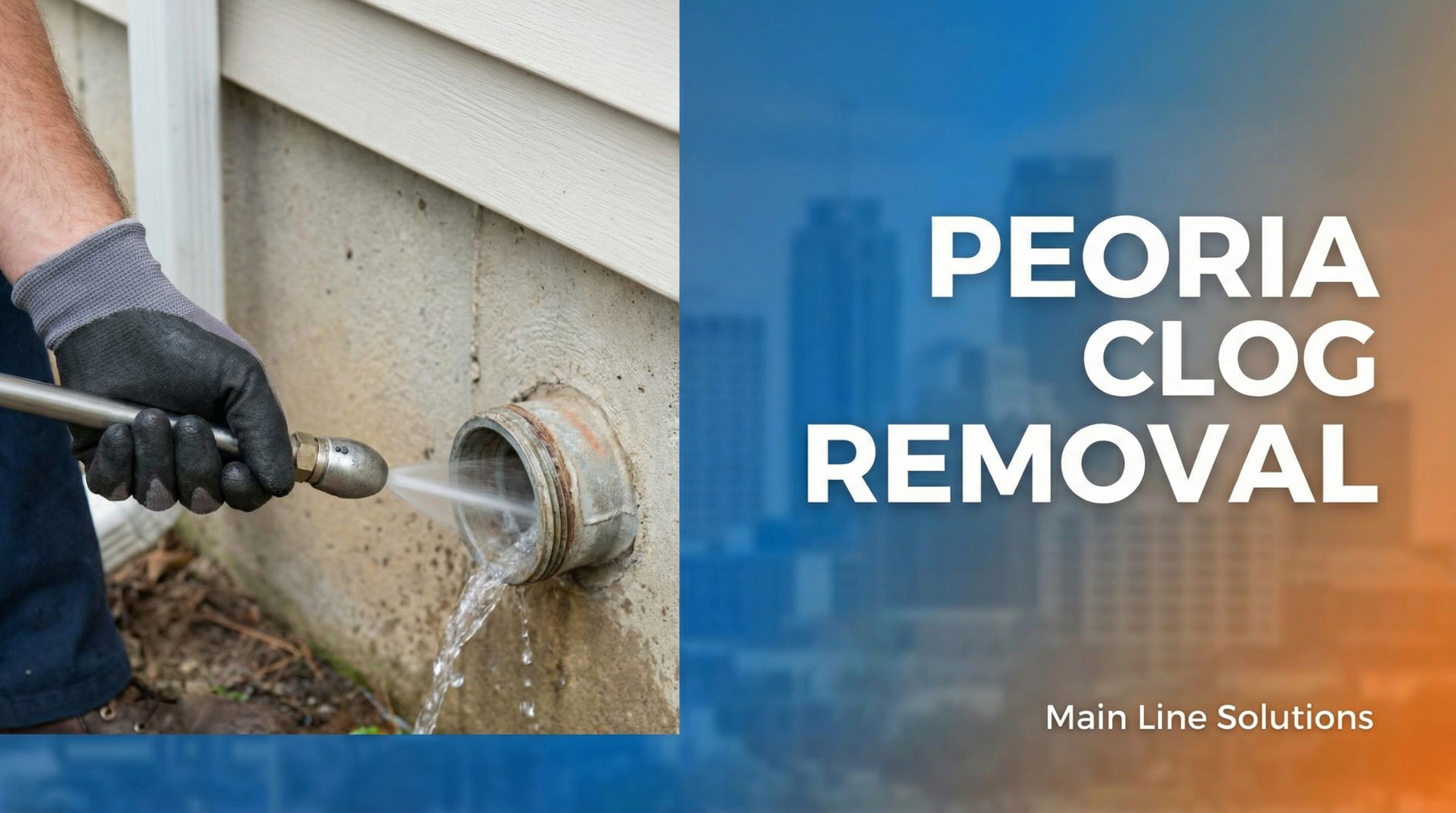
Professional clearing starts with using the right access point and the least invasive method that solves the root cause, not just the immediate blockage. A camera inspection identifies roots, grease caps, scale, offsets, and bellies so the fix matches the problem. For soft obstructions like grease and paper, high‑pressure water jetting scours pipe walls and restores flow; for roots and heavy scale in certain pipe types, a cutting head, chain flail, or descaling tool may be used prior to jetting. If damage is found, trenchless spot repair, sectional lining, or full replacement may be recommended based on pipe condition, location, and budget.
- Camera + locate: verify cause, pipe material, depth, and exact problem spots.
- Hydro jetting: clears grease, sludge, and small roots while cleaning the full diameter.
- Mechanical cutting/descaling: removes roots, mineral scale, and corrosion nodules.
- Trenchless options: spot repair for small defects; lining for longer damaged runs; excavation when grade/bellies must be corrected.
- Final verification: a post‑clear camera pass ensures the line is clean and documents any repairs needed.
Prevent it long term
Most main line emergencies are preventable with a few consistent habits and periodic maintenance. Keep fats, oils, and grease out of sinks; wipe pans into the trash and use strainers at kitchen and bath drains. Only flush toilet paper—no wipes, even if labeled flushable. For root-prone yards, schedule annual or semiannual camera checks and cleaning before peak usage seasons; consider root barriers or root‑safe maintenance treatments if infiltration is noted. If your home has older cast iron or clay and you’ve had repeat issues, plan a proactive condition assessment to compare the long‑term value of lining or replacement versus recurring service calls.
- Quarterly habits: strainers on drains; trash wipes, floss, cotton swabs; scrape grease to a container.
- Seasonal checks: pre‑monsoon camera inspection; clear roof vents; confirm cleanout access.
- Landscaping: plant thirsty species away from sewer laterals; avoid planting directly above the line.
- Water quality: if scale is an issue, discuss descaling options and whether conditioning could help reduce buildup.
- Keep records: save service reports and camera videos to track changes and time maintenance before emergencies.
Need fast, same‑day help in Peoria? Call Emergency Master Plumbing & Air at 623-584-4706 for main line diagnostics, hydro jetting, and repair options tailored to your home.