
Peoria Sewer Camera Inspection: Why It’s a Must Before Repairs

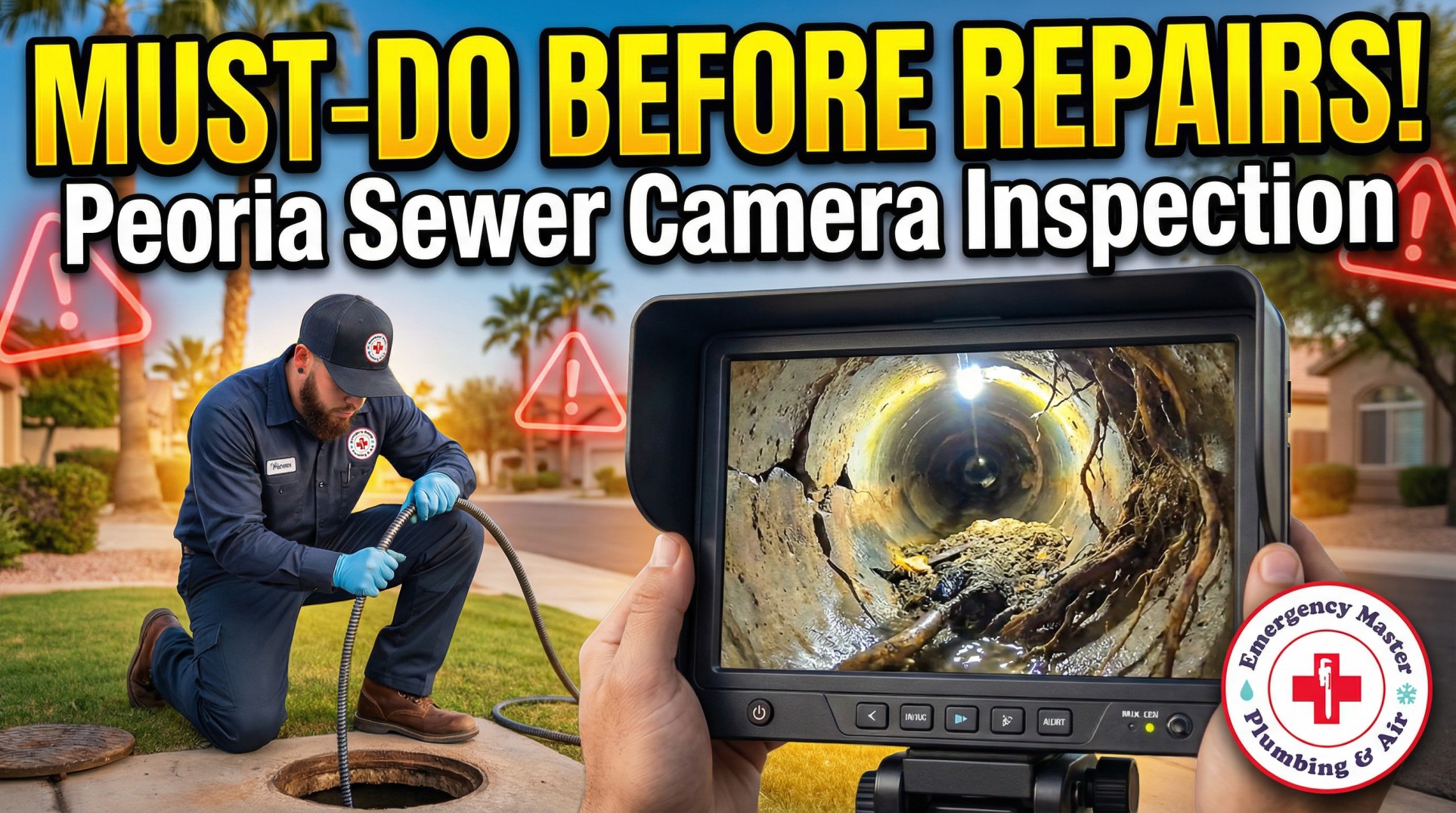
Living in Peoria, Arizona, comes with its share of perks, from sunny weather to a growing community. However, homeowners often face hidden challenges beneath their properties, particularly with aging sewer lines. If you’ve noticed slow drains, gurgling toilets, or recurring backups, these could signal deeper issues in your sewer system. A sewer camera inspection offers a clear, non-invasive way to uncover problems before they escalate into expensive emergencies. This guide explores why scheduling a Peoria sewer camera inspection is essential before any repairs, helping you protect your home and budget effectively.
Understanding Sewer Camera Inspections
A sewer camera inspection involves inserting a small, high-definition camera into your sewer lines through an access point like a cleanout. The device travels through the pipes, transmitting live video footage to a technician’s monitor, revealing the interior condition without digging up your yard. This technology has revolutionized plumbing diagnostics, allowing professionals to spot issues that traditional methods might miss. In Peoria’s desert climate, where soil shifts and tree roots can infiltrate pipes, this inspection provides vital insights into your system’s health.
For Peoria residents, understanding how these inspections work starts with recognizing their precision. The camera, often equipped with lights and flexible cables, navigates bends and junctions effortlessly, capturing details down to small cracks or buildup. Unlike guesswork-based approaches, this method delivers visual evidence, ensuring accurate assessments. Homeowners benefit from this clarity, as it eliminates unnecessary work and focuses efforts on real threats.
Common Sewer Issues in Peoria Homes
Peoria’s unique environment exacerbates certain sewer problems, making proactive inspections crucial. Tree roots from local landscaping favorites like mesquite or palo verde often invade pipes seeking water, causing blockages and cracks. Harsh Arizona sun and temperature fluctuations can degrade older clay or cast-iron lines common in mid-century homes, leading to leaks that contaminate soil and yards. Additionally, household waste like grease, wipes, and debris accumulates over time, forming stubborn clogs that backups can’t fully resolve.
These issues don’t announce themselves dramatically at first. You might experience minor symptoms like foul odors from drains or wet spots in your lawn, which many dismiss as surface-level. In reality, untreated problems can lead to sewage overflows, structural damage to foundations, or health hazards from bacterial exposure. Peoria’s rapid suburban growth means many properties have overburdened systems, increasing the risk of sudden failures during monsoon seasons when water tables rise.
Ignoring early signs compounds costs quickly. A simple clog might cost a few hundred dollars to clear, but if roots have fractured pipes, repairs could run into thousands without prior detection. Regular checks reveal these vulnerabilities, allowing targeted fixes rather than reactive overhauls.
Why Inspect Before Repairs?
Jumping straight to repairs without a sewer camera inspection is like treating symptoms without diagnosing the cause—ineffective and risky. This step pinpoints the exact location and severity of damage, preventing plumbers from excavating the wrong areas or applying the wrong solutions. For instance, if a blockage stems from a distant root intrusion rather than a nearby clog, blind snaking could worsen the pipe’s integrity.
In Peoria, where properties vary from tract homes to custom builds, inspections tailor repairs to your setup. They distinguish between minor fixes like hydro-jetting debris and major interventions like pipe lining or replacement. This precision saves time, as technicians avoid trial-and-error, and money, by addressing only what’s necessary. Post-inspection reports often include timestamped videos, giving you documented proof for insurance claims or future sales.
Moreover, inspections comply with local building codes and enhance property value. When selling a home in Peoria’s competitive market, a recent clean inspection report reassures buyers, potentially speeding up closings. Delaying this step risks escalating issues, such as groundwater contamination that could lead to environmental fines.
The Sewer Camera Inspection Process
Scheduling a Peoria sewer camera inspection is straightforward and minimally disruptive. A certified technician arrives with portable equipment, locates the nearest cleanout—usually near your home’s foundation or side yard—and inserts the camera. The process typically takes 30 to 60 minutes for a standard single-family home, with the camera traveling up to 100 feet or more depending on your system’s layout.
During the inspection, the technician narrates findings in real-time, explaining visible anomalies like bellied pipes from soil settling or corrosion from mineral-rich water. High-resolution footage highlights grease buildup, joint separations, or even lost items like jewelry in drains. For older Peoria neighborhoods with galvanized pipes, this reveals rust that could collapse lines unexpectedly.
Afterward, you receive a detailed report with recommendations. If repairs are needed, the same team can proceed seamlessly, using trenchless methods like epoxy lining to restore pipes without landscape destruction. This end-to-end approach minimizes downtime, keeping your household running smoothly.
Benefits of Pre-Repair Sewer Camera Inspections
The advantages extend far beyond immediate problem-solving. First, early detection prevents catastrophic failures; a small leak spotted via camera can be sealed affordably, avoiding floods that damage flooring and walls. In Peoria’s dry climate, undetected leaks waste water and inflate utility bills, straining local resources already taxed by growth.
Second, these inspections promote long-term system longevity. By removing roots or clearing scale before they multiply, you extend pipe life by years, reducing replacement frequency. Environmentally, they curb sewage spills that harm Arizona’s fragile aquifers, aligning with sustainable living in our region.
Financially, the investment pays off exponentially. A typical inspection costs $200 to $400, far less than the $5,000 to $15,000 for full excavations. Peace of mind is another key benefit—knowing your sewer is sound lets you focus on enjoying Peoria’s outdoor lifestyle without plumbing worries.
Health and safety improve too. Cameras detect mold-friendly moisture or gas buildup from cracks, preventing respiratory issues or explosions. For families with children or pets, this proactive measure safeguards against biohazards.
When and How Often to Schedule Inspections
Timing matters for maximum effectiveness. In Peoria, schedule your first inspection if your home is over 20 years old, after major landscaping, or during home purchases. Persistent symptoms like multiple clogs in a month warrant immediate attention. Biennial checks suit most properties, though high-water-use homes or those near mature trees may need annual ones.
Combine inspections with routine maintenance like drain cleaning to catch trends early. During Peoria’s wetter winter months, preemptive scans prevent storm-related overloads. If buying property, insist on this as part of your due diligence—sellers often cover costs to facilitate deals.
Professional service ensures accuracy; DIY attempts lack the reach and expertise for thorough views. Look for licensed locals familiar with Arizona’s clay soils and regulations.
Real-Life Scenarios in Peoria
Consider a typical Peoria family noticing sink backups after holiday gatherings. Without inspection, they might snake drains repeatedly, only for the issue to recur. A camera reveals downstream roots from a backyard citrus tree, allowing targeted removal and lining—resolving it permanently without yard tearing.
Another case: An elderly resident with rising water bills. Inspection uncovers a hairline crack leaking into the soil, fixed via trenchless relining. This not only halts the waste but prevents erosion that could undermine the home’s slab foundation.
These stories highlight how inspections turn potential disasters into manageable tasks, saving time and stress.
Maintaining Your Sewer System Post-Inspection
After your Peoria sewer camera inspection and any repairs, adopt habits to sustain results. Avoid flushing non-degradables like wipes or oils; use enzyme cleaners monthly to break down organics. Trim trees away from sewer paths, and watch for settling soil post-rains.
Annual professional cleanings complement inspections, flushing out sediment. Educate household members on water conservation to ease system strain. These steps, informed by your inspection insights, keep issues at bay.
In Peoria’s evolving landscape, staying vigilant protects your investment. Regular monitoring via camera ensures your sewer supports your home reliably.
For reliable Peoria sewer camera inspections and expert repairs, trust Emergency Master Plumbing & Air. Their certified team uses state-of-the-art equipment to diagnose and fix issues efficiently, serving the community with 24/7 availability. Contact them today at 623-584-4706 to schedule your inspection and safeguard your home.