
Sediment Buildup Inside Water Heaters – Prescott, AZ: Causes, Signs, and Fixes

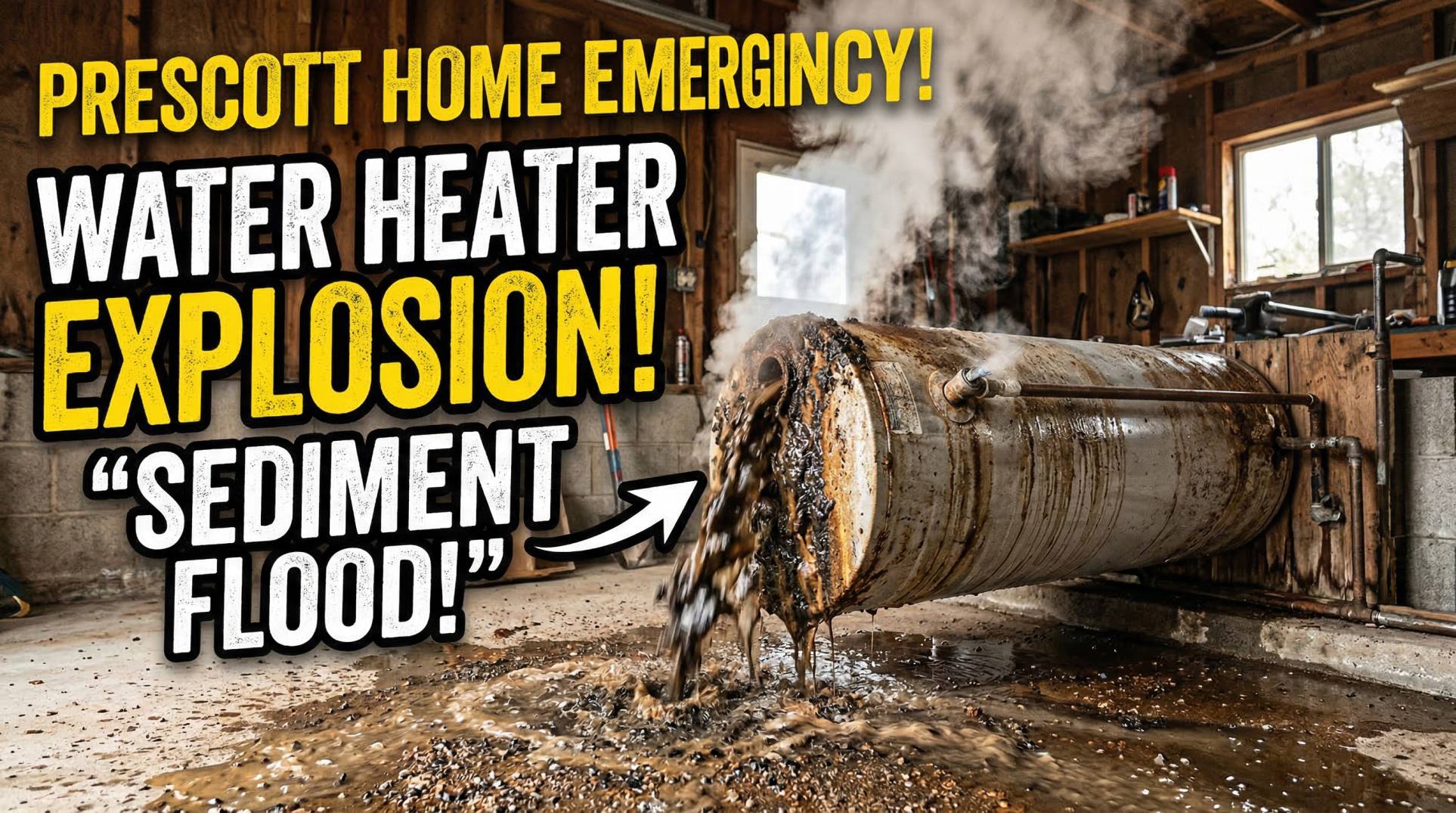
Water heaters are essential for daily comfort, providing hot water for showers, dishes, and laundry. But over time, sediment buildup inside water heaters can reduce efficiency, shorten lifespan, and lead to unexpected breakdowns. In areas like Prescott, AZ, where hard water is common due to high mineral content from local groundwater sources, this issue affects many households. Understanding sediment buildup helps you spot problems early, maintain your system, and avoid costly repairs.
This guide breaks down what sediment is, why it forms, the telltale signs, and step-by-step solutions. With practical tips tailored to Prescott homes, you’ll learn how to keep your water heater running smoothly.
What Is Sediment Buildup in Water Heaters?
Sediment refers to the gritty, mineral-rich particles that settle at the bottom of your water heater tank. Primarily composed of calcium and magnesium from hard water, it also includes rust, sand, and debris from municipal pipes. In Prescott, AZ, the water supply from the Verde River and local aquifers often carries elevated levels of these minerals, accelerating accumulation.
Inside a tank-style water heater (the most common type), cold water enters from the bottom, heats up, and rises. Sediment layers form an insulating barrier on the heating element or burner. This forces the system to work harder, much like mud clogging a car’s engine. Over 5-10 years without maintenance, this buildup can reach several inches thick.
Tankless water heaters experience less sediment settling since water flows continuously, but they still face scaling on internal coils from hard water. Regular care prevents these issues, extending your water heater’s life from the typical 8-12 years to 15+.
Common Causes of Sediment Buildup in Prescott Homes
Several factors contribute to sediment in Prescott, AZ water heaters:
-
Hard Water Dominance: Prescott’s water hardness averages 10-15 grains per gallon, per local utility reports. Dissolved minerals precipitate out as water heats, forming limescale.
-
Aging Infrastructure: Older homes or pipes introduce rust and silt. The city’s historic plumbing in neighborhoods like Thumb Butte adds ferrous particles.
-
Infrequent Flushing: Manufacturers recommend annual draining, but many homeowners skip it. Stagnant water allows debris to compact.
-
High Sediment Source Water: Seasonal runoff from nearby mountains carries fine soil into reservoirs, which doesn’t fully filter out.
-
Temperature Settings: Water above 140°F speeds mineral crystallization.
These causes compound in Prescott’s dry climate, where water conservation measures might mean less frequent full-tank flushes.
Key Signs Your Water Heater Has Sediment Buildup
Catching sediment early saves money. Watch for these symptoms:
-
Reduced Hot Water Supply: Sediment reduces tank capacity. Showers go cold faster, or you run out during peak use.
-
Strange Noises: Rumbling or popping sounds occur as water boils over heated sediment, like popcorn in a kettle.
-
Leaking Water: Insulated buildup expands, stressing seams and valves. Check the drain valve or temperature-pressure relief (TPR) valve for drips.
-
Discolored Water: Rusty sediment tints water brown or orange. Sediment stirred up during use clouds it.
-
Higher Energy Bills: The heater cycles more often, increasing costs by 20-30%. In Prescott’s variable weather, this hits harder.
-
Burner or Element Failure: Bottom sediment covers the heat source, causing overheating and shutdowns.
If you notice 2+ signs, test by running hot water into a bucket—gritty residue confirms buildup.
The Risks of Ignoring Sediment Buildup
Neglect leads to serious problems:
-
Premature Failure: Sediment causes 30% of water heater breakdowns, per industry data. A full replacement in Prescott costs $1,000-$3,000.
-
Inefficiency and Waste: Up to 20% energy loss means higher Arizona Public Service bills.
-
Water Quality Issues: Bacteria thrive in sediment layers, risking Legionella contamination.
-
Flooding Hazards: Overpressure from blocked outlets can rupture tanks.
-
Warranty Voids: Most warranties require annual maintenance proof.
Prompt action prevents these, protecting your home and budget.
How to Diagnose Sediment Buildup at Home
Before calling a pro, perform a simple check:
-
Turn Off Power/Gas: Safety first—unplug electric or shut off gas.
-
Attach a Hose: Connect a garden hose to the drain valve at the tank base.
-
Flush Briefly: Open the valve into a safe drain. Cloudy, sandy water indicates sediment.
-
Inspect the Anode Rod: Unscrew it (with power off) for corrosion or encrustation.
-
Check Temperature Recovery: Time how long it takes to refill and reheat. Over 2 hours signals issues.
In Prescott’s hard water, expect thick paste during first flushes. Stop if pressure builds abnormally.
Step-by-Step Guide to Flushing Sediment from Your Water Heater
Flushing removes 80-90% of buildup. Do this annually. Tools needed: garden hose, bucket, pliers, gloves.
Preparation
-
Shut off cold water supply and power/gas.
-
Relieve pressure by opening a hot faucet.
-
Let tank cool 2-3 hours.
Flushing Process
-
Drain the Tank: Hose to floor drain or outside. Open valve fully. Run until water clears (30-60 minutes for 50-gallon tank).
-
Cycle Flushes: Close valve, refill with cold water, open hot faucet to purge air, then drain again. Repeat 2-3 times.
-
Clean the Valve: If clogged, soak in vinegar overnight.
-
Inspect Anode: Replace if more than 50% corroded (magnesium rods last 2-5 years in hard water).
-
Refill and Restart: Close valves, restore power/gas, check for leaks.
Full process takes 2-4 hours. Dispose of sediment water per Prescott wastewater rules—avoid storm drains.
Prevention Tips for Long-Term Water Heater Health in Prescott, AZ
Stop recurrence with these habits:
-
Install a Water Softener: Reverse osmosis or ion-exchange units reduce hardness by 90%. Local models handle Prescott’s levels effectively.
-
Use a Sediment Filter: Pre-tank filters catch particles; change quarterly.
-
Lower Temperature: Set to 120°F to slow scaling without scald risk.
-
Magnetic or Polyphosphate Conditioners: These alter mineral structure to prevent clumping—low-maintenance for rentals.
-
Annual Pro Inspections: Technicians use cameras for internal views.
Prescott rebates via APS may offset softener costs.
When to Call Professional Plumbers for Sediment Issues
DIY works for mild cases, but pros handle:
-
Tankless descaling (vinegar or chemical baths).
-
Element replacement in electrics.
-
Full diagnostics with pressure tests.
-
Warranty-compliant services.
In Prescott, licensed plumbers ensure code compliance.
Recommended Local Service: Emergency Master Plumbing & Air
For reliable sediment removal and water heater maintenance in Prescott, AZ, contact Emergency Master Plumbing & Air. Their certified technicians specialize in flushing, descaling, and full repairs, using Prescott-specific hard water solutions. Serving the area 24/7, they prevent breakdowns with thorough inspections.
Call Emergency Master Plumbing & Air at 623-584-4706 today for fast, effective service. Protect your home—schedule now!