
Surprise Garbage Disposal Repair: Fix Jams, Leaks & Smells

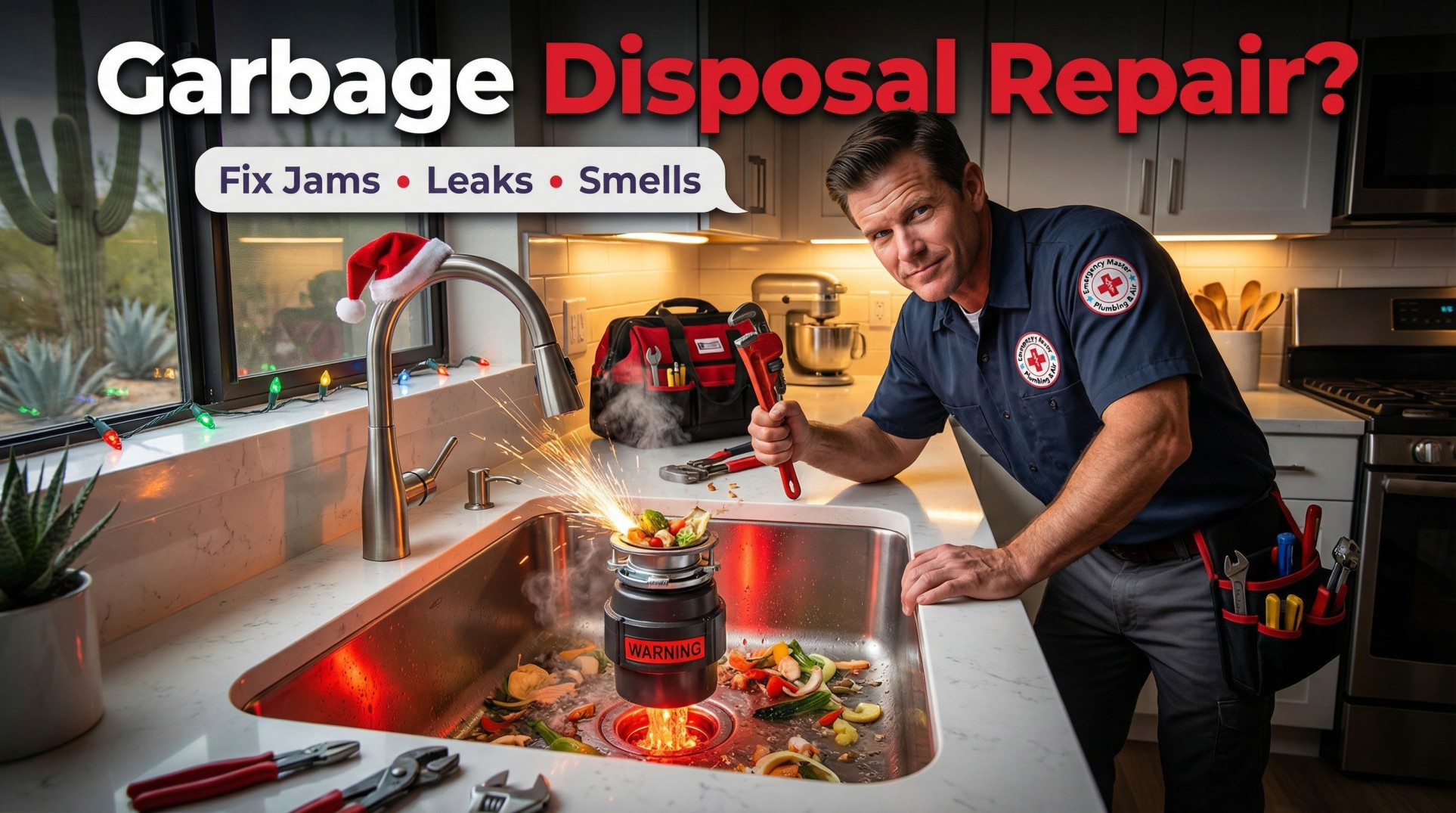
A jammed disposal usually shows up as a hum, a trip at the reset button, or a unit that won’t spin under power. Always cut power at the switch and, if needed, the breaker before touching the unit to prevent injury or shock.
Most disposals include a reset button on the underside and a hex-shaped socket for a 1/4-inch Allen key, which lets you rotate the grind mechanism gently to free stuck debris.
- Turn power off at the wall switch and breaker, then confirm the unit is de-energized.
- Press the red reset button on the bottom of the canister; if it clicks, the internal overload has reset.
- Insert an Allen key into the bottom hex socket and rotate back and forth until resistance eases; this can dislodge stuck items safely without opening the chamber.
- Shine a flashlight from above and remove visible debris with tongs or pliers—never use your hand inside the chamber.
- Restore power, run cold water, and test; if humming persists after resets and manual freeing, the motor may be failing and replacement can be more economical.
Stop leaks fast
Kitchen sink leaks near the disposal typically come from the sink flange and gasket, the mounting ring, the discharge elbow, the dishwasher inlet, or a loose or cracked P-trap. A systematic inspection from the top down will quickly isolate the source.
Tighten connections first, then replace worn gaskets; if the canister itself is cracked, plan on replacing the unit rather than patching.
- Check the sink flange: snug the mounting ring bolts evenly to compress the upper gasket and stop seepage.
- Inspect and re-seat the discharge elbow; refresh the rubber seal if it’s flattened or brittle.
- Inspect the dishwasher drain hose connection and clamp; re-secure if dampness or drip trails are present.
- Examine the P-trap for drips, corrosion, or misalignment, and tighten slip nuts by hand, then a quarter-turn with pliers.
- Replace the rubber splash guard (sink baffle) or the upper flange gasket if water is escaping at the rim; persistent body leaks or canister cracks warrant a new disposal for a reliable fix.
Remove smells and sanitize
Odors build when grease film, food sludge, and biofilm collect on the baffle, grind ring, and drain piping. A short, regular cleaning routine eliminates the source and keeps the chamber fresh.
Use cold water and physical scrubbing actions to dislodge residue; avoid harsh chemical drain cleaners that can damage components and create hazards.
- Clean the splash guard: pull the rubber baffle up and scrub both sides with dish soap and a brush; this part traps the most gunk.
- With cold water running, grind a handful of ice cubes and a small squirt of dish soap to scour the chamber mechanically.
- Freshen with a few ice cubes plus lemon wedges or a small splash of diluted vinegar to help cut film and neutralize odors; rinse thoroughly with cold water.
- Skip caustic drain chemicals; they’re hard on seals and disposal internals and can endanger anyone servicing your plumbing.
Prevent issues and know when to call
Simple habits extend disposal life: run a strong flow of cold water before, during, and after use; feed scraps gradually; and give the chamber a weekly cleaning with ice and soap.
Call a licensed pro if the unit trips frequently, hums with the grind plate free, leaks from the body, or repeatedly stalls—these patterns point to electrical or motor failure rather than a simple obstruction.
- Before use: Start cold water to keep fats solid so they move through the trap instead of coating the chamber and pipes.
- During use: Feed small amounts steadily; oversized loads can jam the impellers and strain the motor.
- After use: Let cold water run several seconds to flush slurry completely through the P-trap.
- Weekly: Clean with a handful of ice and a quick baffle scrub to prevent film and smells from returning.
- Call a pro when humming persists after resets and manual turning, water seeps from the housing, or the unit needs multiple resets per week.
Quick troubleshooting checklists
Rapid checklists help you move from symptom to solution without guesswork. Start with the symptom that best matches what you see, follow the steps, and stop if anything feels unsafe.
- Jam/hum but no grinding:
- Power off; press the reset button; try the Allen key at the bottom to free the plate; remove foreign objects with tongs; test under cold water.
- Leaking at rim of sink:
- Snug mounting ring bolts, reseal flange gasket if needed, and inspect the splash guard fit.
- Leaking from side or bottom:
- Tighten discharge elbow screws, refresh the rubber seal, check dishwasher hose clamp, and inspect P-trap alignment; replace the unit if the canister is cracked.
- Persistent odor:
- Clean the baffle, grind ice with dish soap, and finish with lemon or a light vinegar rinse under cold water.
Recommended local help in Surprise: For fast, professional repairs that fix the root cause, contact Emergency Master Plumbing & Air at 623-584-4706. Same-day solutions for jams, leaks, and odors keep your kitchen running smoothly.
Business details: Emergency Master Plumbing & Air, 623-584-4706.