
Surprise Pipe Leak Repair: Top Causes in Arizona Homes

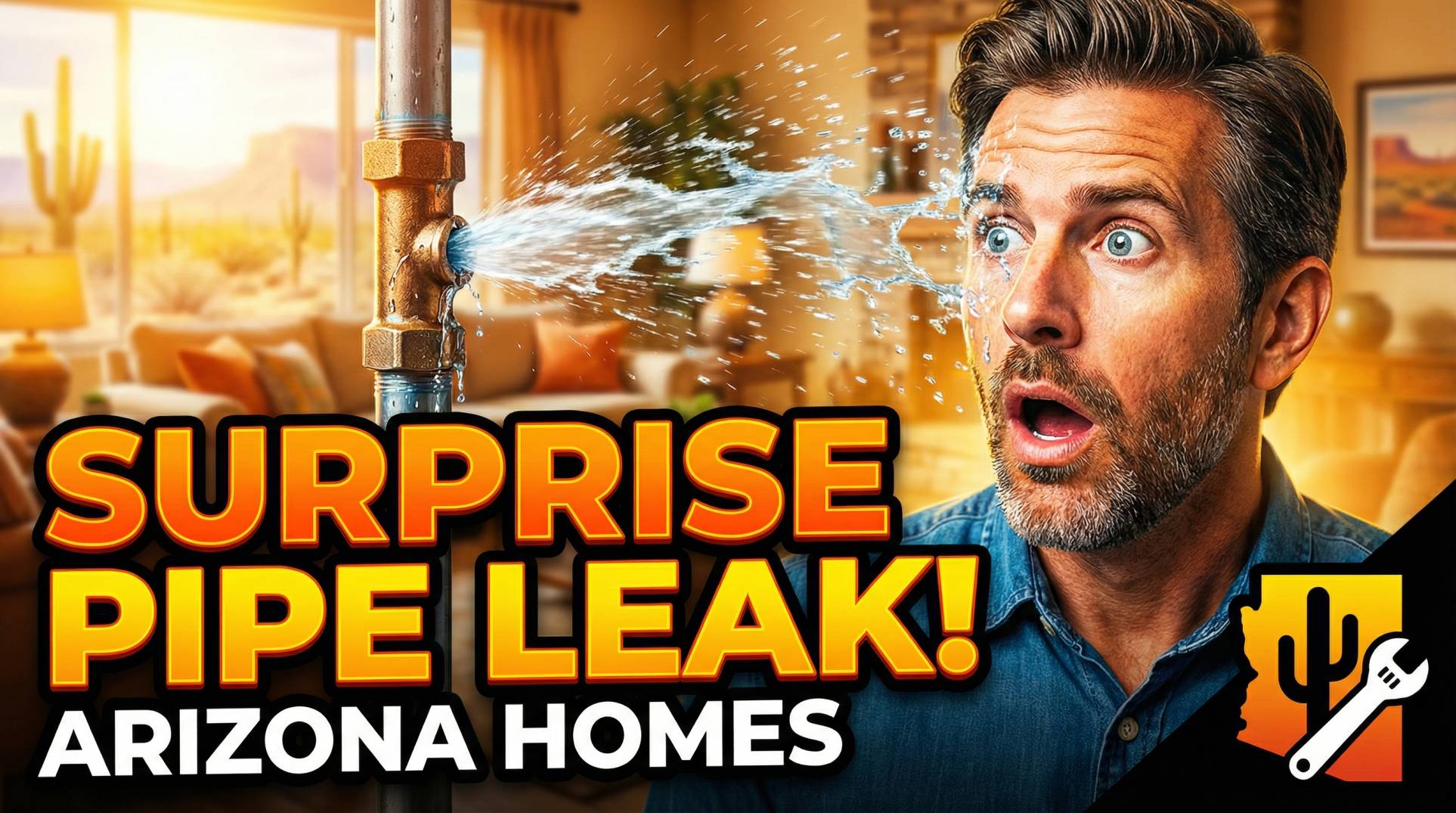
Arizona homeowners face unique plumbing challenges that can lead to costly pipe leaks and water damage. The extreme heat, mineral-rich water, and specific construction methods common in the region create conditions that put residential plumbing systems under constant stress. Understanding what causes pipes to fail in Arizona homes can help you identify problems early and prevent extensive damage to your property.
Hard Water Mineral Buildup
Arizona’s water supply contains high concentrations of minerals, particularly calcium and magnesium, which create what plumbers call “hard water”. Over time, these minerals accumulate inside pipes, creating thick deposits that restrict water flow and increase internal pressure. The buildup doesn’t happen uniformly—it tends to concentrate at bends, joints, and connections where water flow changes direction.
This mineral scaling weakens pipe walls from the inside, making them brittle and prone to cracking. Copper pipes are especially vulnerable to this type of deterioration. Homeowners often don’t realize their pipes have significant buildup until they experience reduced water pressure or discover a leak. The problem compounds over years, with older homes in Surprise experiencing more severe mineral accumulation that can eventually cause pinhole leaks or complete pipe failures.
Extreme Temperature Fluctuations
While Arizona is known for scorching summers, the temperature swings between day and night—and between seasons—create expansion and contraction cycles that stress plumbing materials. During summer months, attic temperatures can exceed 150 degrees Fahrenheit, while winter nights occasionally drop below freezing in the Surprise area.
Pipes expand when heated and contract when cooled. This constant movement weakens connections, loosens fittings, and creates stress points where cracks eventually form. PVC pipes are particularly susceptible to damage from heat exposure, as prolonged high temperatures can cause them to warp or become brittle. Metal pipes face different challenges—the expansion and contraction can cause joints to separate or develop small gaps that allow water to seep through.
Soil Movement and Foundation Settling
The desert soil composition in Arizona creates unique challenges for underground plumbing. Clay-heavy soils expand when wet and contract during dry periods, creating significant ground movement. This shifting puts pressure on pipes buried beneath foundations and in yards, causing them to bend, crack, or separate at connection points.
Slab leaks—leaks that occur in pipes running beneath concrete foundations—are particularly common in Arizona homes built on expansive clay soils. The constant soil movement combined with the weight of the structure above creates pressure that even newer pipes struggle to withstand. Homeowners may notice warm spots on floors, unexplained increases in water bills, or the sound of running water when all fixtures are off—all signs of potential slab leaks requiring immediate attention.
Aging Galvanized Pipes
Many older homes in Surprise contain galvanized steel pipes that were standard in construction before the 1970s. These pipes have a protective zinc coating that deteriorates over time, especially in Arizona’s mineral-rich water environment. Once the zinc coating wears away, the steel underneath begins to corrode and rust.
Corroded galvanized pipes develop rough interior surfaces that catch mineral deposits and debris, further restricting water flow. The corrosion process creates weak spots that eventually develop into leaks. Rust particles also contaminate the water supply, causing discolored water and metallic tastes. Most galvanized pipe systems have a lifespan of 40-50 years, meaning homes built in the 1970s or earlier are prime candidates for pipe replacement.
High Water Pressure
Municipal water systems in the Phoenix metropolitan area, including Surprise, sometimes deliver water at pressures exceeding 80 PSI (pounds per square inch). While high pressure seems convenient for showers and outdoor use, it puts excessive stress on household plumbing systems designed to operate optimally between 40-60 PSI.
Constant high pressure accelerates wear on pipe joints, fixtures, and appliances connected to the water supply. It can cause pipes to vibrate and bang against framing, creating noise and physical damage. Over months and years, this stress leads to premature failure of pipes and connections. Simple installation of a pressure-reducing valve can protect your entire plumbing system and extend its lifespan significantly.
Tree Root Intrusion
Desert-adapted trees and shrubs in Arizona landscapes have extensive root systems that aggressively seek water sources. Even small cracks or loose joints in underground sewer lines and water supply pipes attract root growth. Once roots find their way into pipes, they expand rapidly, creating blockages and causing pipes to crack or collapse completely.
Palo verde trees, mesquite, and even citrus trees commonly planted in Surprise yards have particularly invasive root systems. Roots can travel considerable distances from the tree trunk, meaning pipes located 20-30 feet away from visible trees aren’t safe. Video pipe inspection technology can identify root intrusion before complete pipe failure occurs, allowing for targeted repairs rather than full replacements.
Poor Installation Practices
Not all pipe leaks stem from natural wear and deterioration. Improper installation during original construction or previous repair work creates weak points that fail prematurely. Common installation mistakes include inadequate support brackets allowing pipes to sag, incorrect pipe joining methods, using mismatched materials that corrode when in contact, and failing to account for thermal expansion in pipe routing.
Homes built during rapid development periods sometimes received rushed plumbing work that didn’t meet quality standards. Cut corners during installation manifest as problems years or decades later when homeowners are left dealing with mysterious leaks that shouldn’t occur in relatively young plumbing systems.
Chemical Corrosion from Water Treatment
While municipal water treatment protects public health, the chemicals used—particularly chlorine and chloramines—can accelerate pipe deterioration. These disinfectants are slightly acidic and react with certain pipe materials over time. Copper pipes are especially vulnerable to pinhole leaks caused by chlorine exposure, with the problem more pronounced in hot water lines where chemical reactions occur faster.
The combination of treated water, high mineral content, and elevated temperatures creates a corrosive environment inside pipes. Homeowners with well water face different chemical challenges, as untreated groundwater may have high sulfur content or other naturally occurring compounds that attack pipe materials.
Recognizing Warning Signs
Early detection prevents minor leaks from becoming major disasters. Watch for unexplained increases in water bills, which often indicate hidden leaks consuming hundreds of gallons daily. Damp spots on walls, ceilings, or floors suggest active leaks, while mold growth and musty odors point to ongoing moisture problems. The sound of running water when all fixtures are turned off indicates a leak somewhere in your system.
Water stains, peeling paint, and warped flooring are visible signs that water is escaping where it shouldn’t. In severe cases, you might notice foundation cracks, shifting doors and windows, or sinkholes forming in your yard—all potential indicators of significant underground leaks.
Prevention and Maintenance
Regular plumbing inspections help identify problems before they become emergencies. Professional plumbers use specialized equipment including acoustic listening devices and video cameras to examine pipes without invasive excavation. These inspections reveal early signs of corrosion, buildup, and deterioration that aren’t visible from the outside.
Consider installing a whole-home water softener to reduce mineral accumulation, and monitor your water pressure to ensure it stays within safe ranges. Avoid planting large trees near underground water and sewer lines, and address small leaks immediately rather than waiting for them to worsen.
Professional Repair Solutions
Modern pipe repair techniques offer solutions that minimize property disruption. Trenchless technology allows plumbers to repair or replace underground pipes without excavating your entire yard. Epoxy pipe lining can seal leaks from inside the pipe, creating a new surface that resists corrosion and extends pipe life by decades.
For severe problems, complete repiping may be the most cost-effective long-term solution. Today’s pipe materials—including PEX and modern copper options—are engineered to withstand Arizona’s challenging conditions better than older materials.
When You Need Expert Help
Pipe leaks require immediate professional attention to prevent water damage, mold growth, and structural problems. The longer water flows where it shouldn’t, the more expensive repairs become. Standing water damages building materials, encourages pest infestations, and creates health hazards from mold and bacteria growth.
If you’re experiencing pipe leaks or suspect hidden water problems in your Surprise home, Emergency Master Plumbing & Air provides expert leak detection and repair services throughout the area. Our experienced technicians use advanced diagnostic equipment to pinpoint leak sources quickly and perform lasting repairs that protect your home and family. Don’t let a small leak become a catastrophic failure—call 623-584-4706 today for fast, reliable service from licensed professionals who understand Arizona’s unique plumbing challenges.