Surprise Sewer Line Clog: Professional Clearing Guide

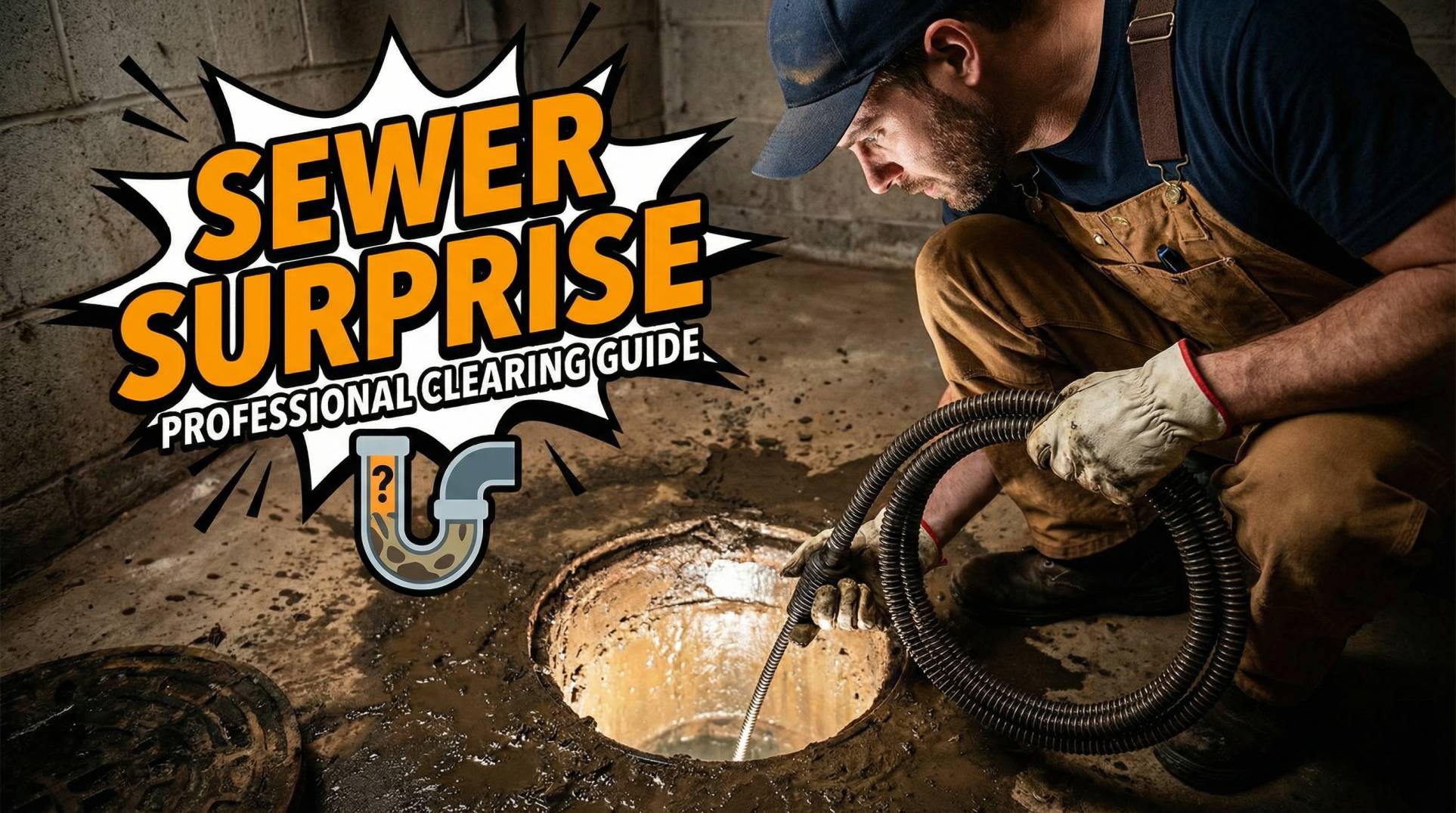
When your drains suddenly start backing up or your toilets won’t flush properly, you’re facing one of the most stressful home emergencies possible. A clogged sewer line doesn’t just disrupt your daily routine—it can cause significant property damage and create serious health hazards if not addressed quickly. Understanding what causes these blockages, recognizing the warning signs early, and knowing when to call in professional help can save you thousands of dollars in repairs and protect your home from sewage-related damage.
Understanding Main Sewer Line Blockages
Your main sewer line serves as the critical pathway that carries all wastewater from your home to the municipal sewer system or septic tank. This underground pipe handles everything that goes down your drains, toilets, and appliances. When this line becomes clogged, wastewater has nowhere to go, causing backups throughout your entire plumbing system.
Unlike a simple sink or toilet clog that affects one fixture, a main line blockage impacts your entire home. The problem typically develops over time as debris accumulates inside the pipe, gradually restricting flow until a complete blockage occurs. In some cases, however, a sudden obstruction can cause immediate and severe backups.
Common Causes Behind Sewer Line Clogs
Tree Root Intrusion
Tree roots represent one of the most destructive causes of sewer line blockages. Trees naturally seek out water sources, and your sewer line provides an abundant supply. Even small cracks or loose joints in your pipes create openings for microscopic root tendrils to enter. Once inside, these roots grow rapidly, expanding into thick masses that catch passing debris and eventually create total blockages.
Older homes with clay, concrete, or cast iron sewer lines face the highest risk of root intrusion. These materials deteriorate over time, creating the gaps that roots exploit. Even homes without large trees in the yard can experience this problem, as root systems often extend far beyond the visible canopy above ground.
Grease and Fat Accumulation
Pouring cooking grease down your kitchen drain might seem harmless when it’s hot and liquid, but this practice causes serious problems over time. As grease travels through your pipes and cools, it solidifies and clings to pipe walls. Layer after layer builds up, narrowing the pipe’s diameter and creating a sticky surface that traps other debris.
Many homeowners don’t realize that even small amounts of grease add up over months and years. Food particles, soap residue, and other materials stick to the grease buildup, eventually forming a solid mass that blocks water flow completely. This type of clog often develops gradually, with drains becoming progressively slower before backing up entirely.
Flushing Non-Flushable Items
Despite clear warnings on packaging, many people flush items down toilets that should never enter the sewer system. Sanitary products, disposable wipes (even those labeled “flushable”), paper towels, cotton swabs, and dental floss all cause blockages. These materials don’t break down like toilet paper and instead accumulate in your pipes, particularly at bends and joints where they catch on rough surfaces or existing buildup.
Baby wipes have become an especially common culprit in recent years. Their durable, cloth-like material makes them excellent for cleaning but terrible for plumbing. Even products marketed as flushable often don’t disintegrate quickly enough to pass through your system safely.
Aging and Damaged Pipes
Sewer lines don’t last forever. Older pipes made from clay or cast iron gradually deteriorate, developing cracks, holes, and sections that collapse entirely. Ground settling, soil erosion, and temperature fluctuations contribute to pipe degradation over time. When a pipe collapses or develops a significant break, it creates an immediate obstruction that traps passing waste and causes rapid backups.
Collapsed pipes represent the most serious type of sewer line problem, as they typically require excavation and replacement rather than simple clearing. Homes built more than 40-50 years ago should be especially vigilant about inspecting sewer line condition.
Scale and Mineral Deposits
Hard water contains dissolved minerals that precipitate out over time, forming scale deposits inside your pipes. This buildup reduces the pipe’s effective diameter, making it easier for debris to catch and form blockages. The rough, uneven surface created by scale also provides more places for grease, food particles, and other materials to accumulate.
Scale buildup happens gradually, so you might not notice the problem until drains start running slowly or backing up during heavy use. Older pipes with rougher interior surfaces experience more severe scale problems than newer, smooth PVC pipes.
Warning Signs You Have a Clogged Sewer Line
Multiple Drain Backups
The most obvious sign of a main sewer line clog is multiple drains backing up simultaneously. If flushing your toilet causes your shower drain to bubble or overflow, or if running your washing machine backs up into your basement floor drain, the problem lies in your main line rather than an individual fixture.
Persistent Slow Drains
When several drains throughout your home run slowly despite your attempts to clear them, a main line restriction is likely developing. This often starts subtly, with one or two fixtures draining a bit slower than usual, then progressively worsens as the blockage grows.
Gurgling Sounds
Strange gurgling or bubbling noises from your drains, toilets, or tub indicate air trapped in your plumbing system—a common symptom of partial sewer line blockage. These sounds occur when water tries to flow past an obstruction, forcing air back through your fixtures.
Sewage Odors
Foul sewage smells coming from your drains suggest wastewater backing up in your system. If you notice these odors, especially from multiple locations, your sewer line likely has a blockage preventing proper drainage.
Lawn Changes
Unexplained patches of lush, extra-green grass or soggy spots in your yard can indicate a leaking or backed-up sewer line underground. Sewage acts as fertilizer, causing grass above the affected area to grow more vigorously.
Professional Clearing Methods
Video Camera Inspection
Before attempting any clearing method, professional plumbers use specialized video cameras to inspect your sewer line. This technology allows us to see exactly what’s causing the blockage, where it’s located, and what condition your pipes are in. This diagnostic step ensures we use the right clearing method and helps identify any underlying problems that could cause future clogs.
Hydro Jetting
For most clogs, hydro jetting provides the most thorough clearing solution. This method uses high-pressure water streams—typically 3,000 to 4,000 PSI—to blast away blockages and scour pipe walls clean. Hydro jetting removes grease buildup, scale deposits, and accumulated debris while also cutting through smaller root intrusions.
The pressurized water not only clears the immediate blockage but also cleans the entire pipe diameter, helping prevent future clogs. This method works well for pipes in good structural condition but isn’t appropriate for damaged or deteriorated lines that might not withstand the pressure.
Mechanical Augering
For tougher blockages like thick root masses, professional-grade mechanical augers (also called sewer snakes) can cut through and remove obstructions. These powerful machines use rotating cutting heads attached to flexible cables that reach deep into your sewer line. Different cutting head attachments handle different types of blockages, from saw blades for roots to scrapers for hardened buildup.
Pipe Repair or Replacement
When video inspection reveals collapsed, severely damaged, or deteriorated pipes, clearing the blockage only provides temporary relief. In these cases, the affected pipe section must be repaired or replaced. Modern trenchless pipe replacement methods can often accomplish this with minimal digging, reducing disruption to your landscaping and property.
Prevention Strategies That Actually Work
Proper Disposal Habits
The simplest way to prevent sewer line clogs is controlling what enters your system. Never pour cooking grease or oil down any drain—let it cool in a container and throw it in the trash instead. Flush only human waste and toilet paper down toilets. All other items, regardless of labeling, belong in the garbage.
Regular Professional Maintenance
Scheduling routine sewer line inspections and cleanings helps catch problems before they become emergencies. For most homes, professional cleaning every 18-24 months keeps pipes clear and allows early detection of developing issues like root intrusion or pipe deterioration.
Strategic Landscaping
If you’re planting trees or large shrubs, keep them at least 10 feet away from your sewer line to minimize root intrusion risk. If you already have mature trees near your sewer line, more frequent inspections help catch root problems early when they’re easier and less expensive to address.
Install a Backwater Valve
A backwater valve prevents sewage from flowing backward into your home during municipal sewer system backups or severe weather events. While this doesn’t prevent clogs, it protects your property from damage when problems occur.
When to Call Emergency Plumbing Services
Some sewer line situations require immediate professional attention. Contact an emergency plumber right away if you experience:
-
Sewage backing up into your home through drains, toilets, or tubs
-
Multiple fixtures backing up simultaneously
-
Standing water around floor drains
-
Strong sewage odors throughout your home
-
Complete inability to drain water from any fixtures
Attempting DIY repairs on main sewer line blockages often makes problems worse and can damage your pipes. Professional plumbers have the specialized equipment, training, and experience to diagnose problems accurately and clear blockages safely without causing additional damage.
Expert Help When You Need It Most
Dealing with a sewer line clog requires professional expertise, specialized equipment, and immediate attention to prevent serious property damage. If you’re experiencing slow drains, backups, or any warning signs of a main line blockage in the Surprise area, Emergency Master Plumbing & Air provides fast, reliable service 24/7. Our experienced technicians use advanced video inspection and hydro jetting technology to quickly diagnose and clear even the toughest clogs, getting your plumbing system back to normal operation.
Don’t let a clogged sewer line disrupt your life or damage your property. Call Emergency Master Plumbing & Air at 623-584-4706 for immediate assistance. We’re here whenever you need us, with the expertise and equipment to solve your plumbing emergencies right the first time.