Surprise Sewer Smell in Bathroom: Step-by-Step Fix

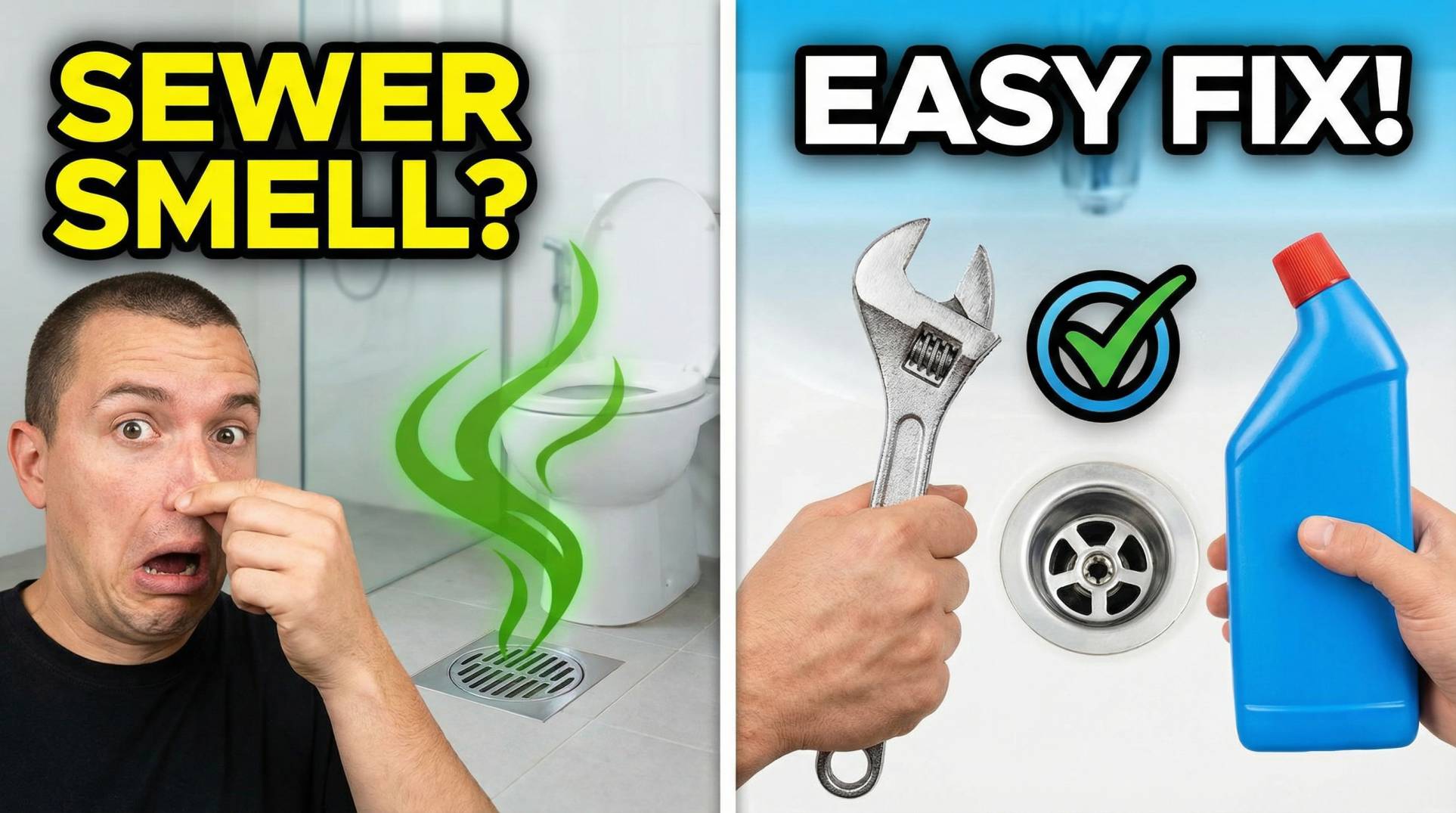
Nothing ruins a relaxing shower or morning routine quite like walking into your bathroom and being hit with an unmistakable sewer odor. That unpleasant smell doesn’t just make your bathroom uncomfortable—it can also signal underlying plumbing issues that need immediate attention. The good news is that many bathroom sewer smells have straightforward causes and solutions you can tackle yourself before calling in professional help.
Understanding why your bathroom suddenly smells like sewage is the first step toward eliminating the problem for good. In this comprehensive guide, we’ll walk you through the most common causes of bathroom sewer odors and provide clear, actionable steps to fix each one.
Why Does My Bathroom Smell Like Sewage?
Sewer gas contains hydrogen sulfide, which produces that characteristic rotten egg smell. When your bathroom smells like sewage, it means sewer gases are escaping into your home instead of being properly vented outside. Your plumbing system is designed with multiple barriers to prevent this, but when one of these barriers fails, odors can quickly become overwhelming.
The intensity of the smell often provides clues about the source. If the odor is strongest when you first enter the bathroom or after the home has been closed up, you’re likely dealing with a different issue than if the smell is constant and getting worse over time.
The Dry P-Trap Problem
What Is a P-Trap?
The P-trap is a U-shaped pipe located beneath your sink, shower, or floor drain. This curved section of pipe holds water that creates a seal, blocking sewer gases from rising up through your drains. When functioning properly, the P-trap is your first line of defense against bathroom odors.
Why P-Traps Dry Out
P-traps dry out when water evaporates from lack of use. This is especially common in guest bathrooms, vacation homes, or any fixture that doesn’t get regular use. During drier months or in low-humidity conditions, evaporation happens even faster. When the water barrier disappears, sewer gases flow freely into your bathroom.
How to Fix a Dry P-Trap
Fixing a dry P-trap is the easiest bathroom odor solution you’ll find:
-
Turn on the sink faucet and let water run for 30 seconds
-
Run your shower or bathtub for a full minute
-
Pour several cups of water into any floor drains
-
Wait a few minutes and check if the smell has disappeared
The odor should vanish almost immediately once the water seal is restored. For bathrooms that see infrequent use, make this a bi-weekly habit to prevent the problem from returning. Some homeowners add a small amount of mineral oil to the drain after running water, which slows evaporation by forming a protective layer on top of the water in the trap.
Clogged Drains Creating Odors
Understanding Drain Buildup
Hair, soap scum, toothpaste residue, and other debris accumulate in your drains over time. This organic matter doesn’t just cause slow drainage—it creates a breeding ground for bacteria. As bacteria break down this material, they produce foul-smelling gases, including hydrogen sulfide, which gives off that sewage smell.
Warning Signs of Clogged Drains
Watch for these indicators that a clog is causing your odor problem:
-
Water drains slowly from sinks or showers
-
Gurgling sounds emerge when water goes down the drain
-
Water backs up in fixtures during use
-
The smell persists even after thorough cleaning
Step-by-Step Drain Cleaning
Try this natural cleaning method before resorting to harsh chemicals:
-
Remove any visible hair or debris from the drain cover
-
Pour one cup of baking soda directly into the drain
-
Follow with one cup of white vinegar
-
Let the mixture fizz and work for 10-15 minutes
-
Flush thoroughly with boiling water
For stubborn clogs, you may need to repeat this process or use a drain snake to physically remove the blockage. Regular monthly cleaning with this baking soda and vinegar method helps prevent buildup and keeps odors at bay.
Loose or Improperly Sealed Toilet
The Toilet-Sewer Connection
Your toilet connects directly to the sewer line and must be tightly sealed to prevent gas leakage. The wax ring between the toilet base and the floor flange creates this crucial seal. Over time, this seal can deteriorate or the toilet can shift, creating gaps that allow sewer gas to escape.
Identifying a Toilet Seal Problem
If the sewer smell is strongest around the base of your toilet, the seal is likely compromised. You might also notice the toilet rocking slightly when you sit on it, or see water staining on the floor around the base.
Fixing a Toilet Seal
Replacing a toilet wax ring requires some plumbing knowledge:
-
Turn off the water supply to the toilet
-
Flush to empty the tank and bowl
-
Disconnect the water supply line
-
Remove the bolts securing the toilet to the floor
-
Lift the toilet straight up and set it aside
-
Remove the old wax ring completely
-
Install a new wax ring on the flange
-
Carefully lower the toilet back into place
-
Secure with new bolts and reconnect the water
This job can be challenging for beginners and requires proper technique to avoid leaks. If you’re uncomfortable with this repair, professional help ensures it’s done correctly the first time.
Blocked Vent Pipes
How Plumbing Vents Work
Plumbing vent pipes extend through your roof and serve two critical functions. They allow sewer gases to escape safely outside while equalizing air pressure in your drain system. When vents become blocked, sewer gas has nowhere to go except back through your drains.
Signs of Vent Pipe Blockage
Vent pipe issues often affect multiple bathrooms simultaneously. Look for these symptoms:
-
Sewer smell in several bathrooms at once
-
Gurgling sounds from multiple drains
-
Slow drainage throughout the house
-
Strong odors after heavy water use
Vent pipes can become blocked by bird nests, leaves, ice, or other debris. Because these pipes are located on your roof, diagnosing and clearing them poses safety risks.
Addressing Vent Pipe Problems
While you might be able to spot obvious blockages by visually inspecting the vent opening on your roof, clearing them safely requires proper equipment and experience. Climbing on roofs carries inherent dangers, and you could damage the vent pipe or roofing materials without proper knowledge. This is typically a job best left to professionals who have the right tools and safety equipment.
Sewer Line Issues
When the Problem Is Deeper
Sometimes the source of your sewer smell lies in the main sewer line rather than bathroom fixtures. Cracked pipes, tree root intrusion, or severe blockages in the main line can cause sewer gases to back up through all your drains. These issues require professional diagnosis and repair.
Red Flags for Sewer Line Problems
Contact a plumber immediately if you notice:
-
Multiple drains backing up simultaneously
-
Raw sewage backing up into fixtures
-
Wet spots or sinkholes in your yard
-
Consistently worsening odors despite fixing other issues
Professional plumbers use camera inspection equipment to pinpoint the exact location and nature of sewer line problems. Depending on the issue, solutions range from hydro-jetting to clear blockages to trenchless pipe lining or full sewer line replacement for damaged pipes.
When to Call a Professional Plumber
While many bathroom sewer smell issues have simple DIY solutions, some situations require professional expertise. Call a licensed plumber when:
-
DIY fixes don’t eliminate the odor
-
You suspect sewer gas leaks from cracked pipes
-
Multiple bathrooms develop odors simultaneously
-
You notice signs of sewer line damage
-
You’re uncomfortable performing repairs yourself
Professional plumbers have specialized diagnostic tools and years of experience identifying the exact source of sewer odors. They can quickly assess issues that might take homeowners hours to troubleshoot, saving you time and preventing potential damage from misdiagnosis.
Preventing Future Sewer Smells
Once you’ve eliminated your bathroom odor problem, these maintenance practices help prevent its return:
-
Run water in all drains weekly, especially in guest bathrooms
-
Clean drains monthly with baking soda and vinegar
-
Install drain strainers to catch hair and debris
-
Schedule annual plumbing inspections
-
Address slow drains promptly before they become major clogs
Regular maintenance catches small issues before they turn into smelly problems. Taking a few minutes each month for preventive care saves you from dealing with unpleasant surprises down the road.
Get Professional Help Today
Dealing with persistent sewer smells in your bathroom is frustrating and can indicate serious plumbing issues that worsen over time. If you’ve tried these solutions and still can’t eliminate the odor, or if you’d rather have an experienced professional diagnose the problem right away, Emergency Master Plumbing & Air is here to help.
Our licensed plumbers have the expertise and equipment to quickly identify and fix any bathroom plumbing issue, from simple P-trap problems to complex sewer line repairs. We understand that sewer smell problems can’t wait, which is why we offer prompt, reliable service when you need it most.
Don’t let sewer odors make your bathroom unbearable. Call Emergency Master Plumbing & Air at 623-584-4706 today for fast, professional plumbing solutions you can trust.