The Critical Importance of Gas Leak Detection in Your Peoria Home

Gas leaks represent one of the most dangerous hazards homeowners face, yet they often go undetected until a serious incident occurs. Understanding how to identify, prevent, and respond to gas leaks can mean the difference between a minor inconvenience and a life-threatening emergency. Every year, thousands of families experience property damage, health complications, and even fatalities due to undetected gas leaks in their homes.
Understanding the Hidden Dangers in Your Home
Natural gas and propane serve as reliable energy sources for heating, cooking, and powering appliances throughout Peoria homes. However, when these gases escape from pipes, connections, or appliances, they create immediate and severe risks. Many gas leaks are odorless and colorless in their natural state, though utility companies add a distinctive sulfur-like smell to help with detection.
The dangers extend far beyond the obvious fire and explosion risks. Gas leaks can lead to carbon monoxide poisoning, which causes headaches, dizziness, nausea, and in severe cases, loss of consciousness or death. Additionally, damp environments created by certain types of leaks become breeding grounds for mold and mildew, leading to respiratory issues and allergies.
Recognizing the Warning Signs
Physical Symptoms
Your body often provides the first warning signs of a gas leak. Family members may experience unexplained headaches, fatigue, breathing difficulties, or nausea when spending time in certain areas of the home. If multiple people in your household develop these symptoms simultaneously, and they improve when you leave the house, a gas leak could be the culprit.
Environmental Indicators
Beyond physical symptoms, your home itself may show signs of a gas leak. Listen for hissing or whistling sounds near gas lines or appliances. Watch for dead or discolored vegetation in areas where gas lines run underground. Inside your home, you might notice a white cloud or dust cloud near a gas line, or bubbles in standing water.
The distinctive rotten egg smell added to natural gas serves as a crucial warning system. Never ignore this odor, even if it seems faint or intermittent. Some homeowners make the mistake of assuming a brief smell will dissipate on its own, but any gas odor warrants immediate investigation.
Why Professional Detection Matters
Advanced Technology and Expertise
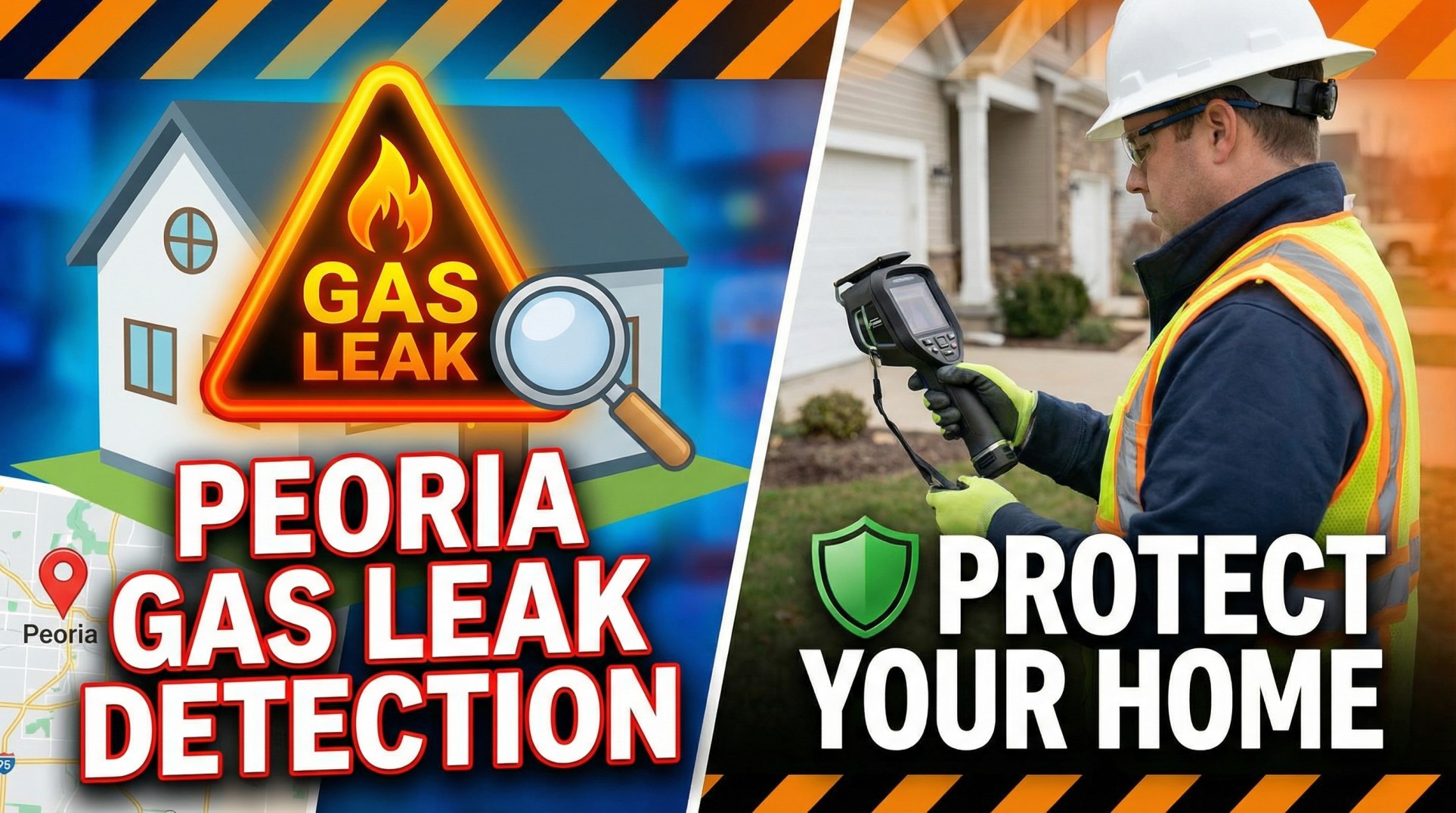
While homeowners can identify obvious gas leaks through smell or sound, many leaks remain hidden behind walls, under floors, or in hard-to-reach areas. Professional technicians use specialized equipment including electronic gas detectors, thermal imaging cameras, and ultrasonic leak detectors to pinpoint exact leak locations.
These advanced detection methods prove far more reliable than traditional approaches like using soapy water or visual inspections. Professionals can detect even minor leakages that might not trigger obvious symptoms immediately but could escalate into serious problems over time.
Comprehensive System Evaluation
Professional inspections go beyond simply finding active leaks. Technicians evaluate your entire gas system, checking connections, valves, pipes, and appliances for potential weak points. They can identify corrosion, improper installations, or aging components that might fail in the future, allowing you to address problems before they become emergencies.
The Economic Impact of Gas Leaks
Preventing Costly Damage
Undetected gas leaks waste energy and increase utility bills unnecessarily. More significantly, they can cause extensive property damage through fires, explosions, or the secondary effects of carbon monoxide exposure. Early detection and repair minimize equipment downtime and prevent shutdowns that lead to costly repairs.
Many homeowners don’t realize that insurance companies offer discounts for properties with gas detection systems installed. These systems reduce risk, which translates to lower insurance premiums over time. The initial investment in professional detection services and safety equipment pays for itself through prevented damage and reduced insurance costs.
Avoiding Emergency Situations
Emergency repairs always cost more than scheduled maintenance. When a gas leak reaches crisis levels, you’re forced to pay premium rates for immediate service, often during nights or weekends. Regular inspections catch problems early when repairs are simpler and less expensive.
Creating a Safety Plan for Your Family
Immediate Response Protocol
Every family member should know what to do if they suspect a gas leak. The protocol is straightforward but critical: evacuate immediately, avoid creating any sparks or flames, don’t use light switches or phones inside the house, and call emergency services from a safe location outside.
Never attempt to locate the leak source yourself during an emergency. Leave your home with doors and windows in whatever state they’re currently in—don’t waste time opening windows for ventilation. Get everyone to a safe distance before making any phone calls.
Preventive Measures
Schedule annual inspections of your gas systems, especially before winter when heating systems see heavy use. Have a qualified technician examine all gas appliances, connections, and supply lines. This proactive approach catches potential problems before they develop into leaks.
Install carbon monoxide detectors on every level of your home and test them monthly. These devices provide an additional layer of protection, alerting you to dangerous gas buildup even when you’re sleeping. Replace detector batteries twice yearly and replace the entire unit according to manufacturer recommendations.
Special Considerations for Peoria Homeowners
Climate and Seasonal Factors
Arizona’s extreme temperature fluctuations can affect gas line integrity. The expansion and contraction caused by temperature swings may loosen connections or stress older pipes. Peoria’s hot summers followed by cooler winters create conditions where gas systems require vigilant monitoring.
Before each cooling and heating season, have your HVAC system inspected. Many modern heating and cooling systems rely on gas, and their seasonal startup represents a critical time for potential leaks. A pre-season inspection ensures your system operates safely when you need it most.
Aging Infrastructure
Many Peoria homes were built during periods of rapid development, and some contain aging gas infrastructure. Older pipes may corrode over time, and connection points can degrade. Even if you haven’t experienced problems, older homes benefit significantly from comprehensive gas system evaluations.
The Role of Regular Maintenance
Building Long-Term Safety
Gas leak prevention isn’t a one-time task—it requires ongoing attention. Establish a relationship with a trusted service provider who understands your home’s specific systems and history. Consistent maintenance by the same team means they’ll notice changes or developing issues that a one-time inspector might miss.
Keep detailed records of all inspections, repairs, and maintenance performed on your gas systems. This documentation helps technicians track patterns, proves valuable for insurance purposes, and provides important information if you ever sell your home.
Educating Your Household
Make sure everyone in your home understands basic gas safety. Children should know what gas smells like and understand they should immediately tell an adult if they notice the odor. Teach household members where gas shutoff valves are located and how to operate them in emergencies.
When to Call for Professional Help
Don’t wait for an emergency to establish a relationship with a qualified service provider. Call immediately if you notice any gas odor, hear unusual sounds from gas lines or appliances, experience unexplained physical symptoms, or see physical indicators like dead vegetation near gas lines.
Additionally, schedule professional inspections after any significant event that might affect your gas systems: earthquakes, major home renovations, appliance installations, or if your home has been vacant for an extended period. Professional assessment after these events prevents problems from developing unnoticed.
Protect Your Peoria Home Today
Gas leak detection isn’t just about responding to emergencies—it’s about preventing them entirely through vigilant monitoring, regular maintenance, and professional expertise. The risks associated with gas leaks are too severe to leave to chance, and the peace of mind that comes from knowing your home is safe is invaluable.
For comprehensive gas leak detection services in Peoria, Emergency Master Plumbing & Air provides expert inspection, detection, and repair services to keep your home and family safe. Their experienced technicians use advanced detection equipment and follow rigorous safety protocols to identify and resolve gas leak issues before they become dangerous. Don’t wait until you smell gas or experience symptoms—schedule a preventive inspection today by calling 623-584-4706. Protecting your home starts with a single phone call.