Why Is My Water Pressure So Low? Understanding and Solving This Common Household Problem

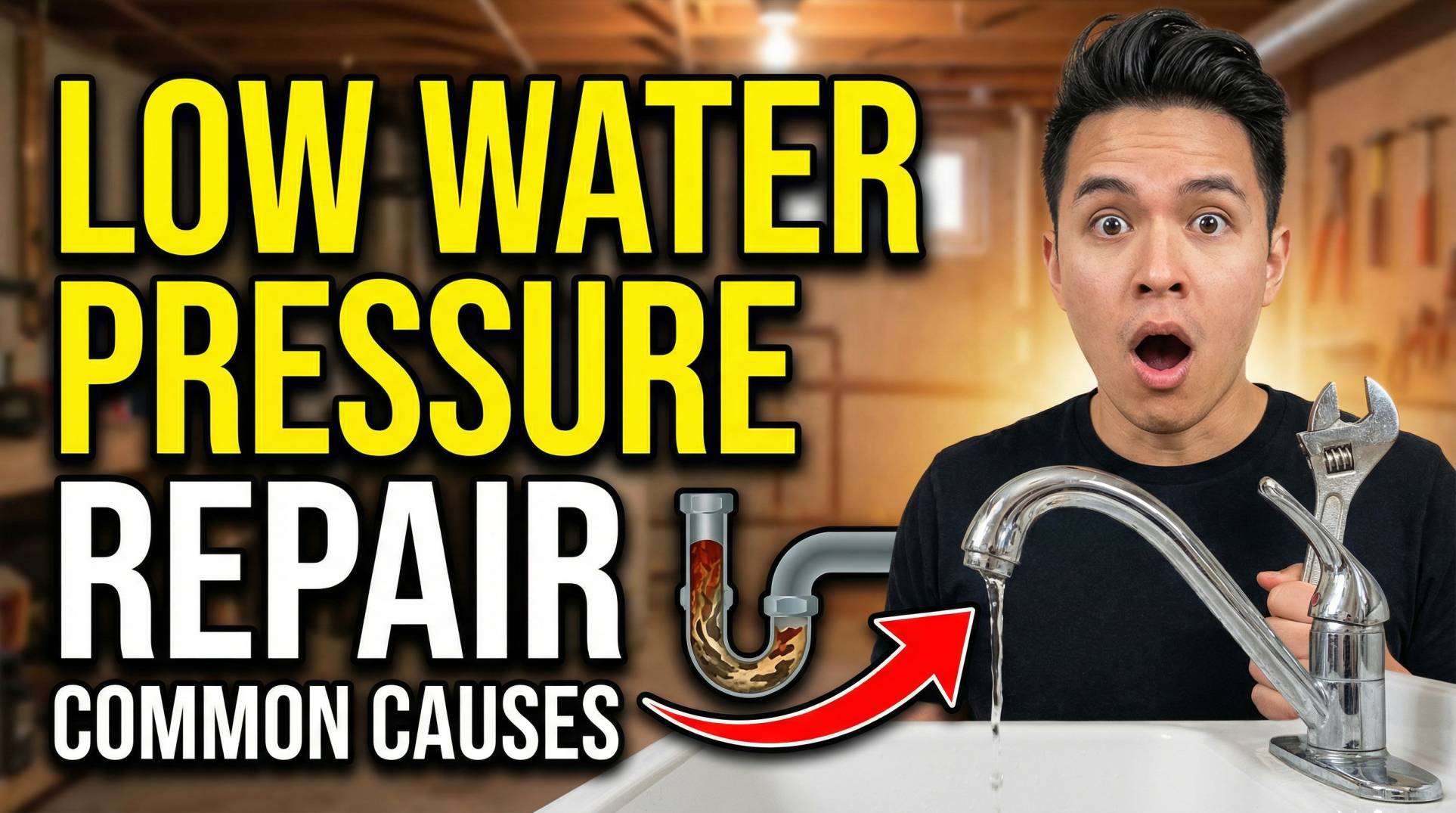
Standing under a weak shower stream or watching your faucet trickle when you need strong flow can turn everyday tasks into frustrating ordeals. Low water pressure affects everything from washing dishes and doing laundry to maintaining proper hygiene. If you’re experiencing weak water flow in your Surprise, Arizona home, understanding the root causes can help you determine whether you need a simple fix or professional assistance.
Clogged Pipes and Mineral Buildup
One of the most frequent culprits behind reduced water flow is debris accumulation inside your plumbing system. Over time, pipes collect various materials including dirt, sand, grease, food particles, and mineral deposits that gradually restrict the available space for water to pass through. This problem becomes particularly prevalent in homes with hard water, where calcium and magnesium minerals create stubborn buildup along pipe walls.
The accumulation happens slowly, so you might not notice the pressure drop immediately. However, as deposits thicken, the internal diameter of your pipes shrinks, forcing water through increasingly narrow passages. This restriction manifests as weak flow from your faucets, showerheads, and other fixtures throughout your home.
In many cases, these blockages can enter your system through cracks in the water main or develop naturally from the minerals present in your water supply. Regular professional cleaning and maintenance can prevent severe blockages and restore proper flow to your plumbing system.
Corroded and Aging Pipes
Pipe corrosion represents another major cause of diminished water pressure, especially in older properties. When oxygen in water reacts with metal pipes, it creates rust and other forms of corrosion that gradually eat away at the pipe interior. Galvanized steel pipes, commonly installed in homes built several decades ago, are particularly susceptible to this deterioration.
As corrosion progresses, it creates rough, uneven surfaces inside your pipes and produces flaking rust that further obstructs water flow. You might notice brown or reddish tinted water coming from your taps, which indicates rust particles have broken free from corroded pipes. The water may also develop a metallic taste, another telltale sign of pipe corrosion.
Acidic water can accelerate the corrosion process, making this problem even more severe in certain areas. Once pipes reach an advanced stage of corrosion, cleaning alone won’t solve the problem—you’ll likely need professional pipe replacement to restore proper pressure and water quality to your home.
Cast iron sewer lines face similar issues, as sewer gases and bacteria in wastewater break down and react with moisture to form sulfuric acid. This acid gradually eats through the pipe material, compromising both the structural integrity and flow capacity of your plumbing system.
Leaking Pipes Stealing Your Pressure
Hidden leaks throughout your plumbing network can significantly reduce pressure at your fixtures. When water escapes through cracks, holes, or loose connections before reaching its intended destination, less volume remains available to create adequate pressure at faucets and showerheads.
The challenging aspect of leak-related pressure loss is that many leaks remain invisible, hidden behind walls, under floors, or underground. You might not see any obvious signs of water damage, yet still experience frustratingly weak flow. Some indicators that leaks might be affecting your system include unexpectedly high water bills, damp spots on walls or ceilings, or the sound of running water when all fixtures are turned off.
Professional plumbers use specialized leak detection equipment to locate hidden problems without destructive exploratory work. Promptly repairing leaks not only restores your water pressure but also prevents costly water damage and reduces waste.
Faulty Pressure Regulator
Many homes include a pressure regulator—a bell-shaped device that controls how much pressure enters your household plumbing from the municipal water supply. This component protects your pipes and fixtures from excessive pressure that could cause damage. However, when the regulator malfunctions or fails, it can have the opposite effect, restricting pressure throughout your entire home.
Unlike issues that affect only specific fixtures, a faulty pressure regulator typically causes low pressure at every water outlet in your house simultaneously. If you notice this pattern, the regulator should be one of the first components your plumber inspects. Testing and adjusting or replacing a malfunctioning regulator can quickly restore proper pressure to your whole system.
Partially Closed or Damaged Valves
Your plumbing system contains several valves that control water flow to different areas of your home. The main shutoff valve, usually located where the water line enters your house, controls flow to your entire property. Additionally, individual fixtures often have their own shutoff valves for localized control during repairs or emergencies.
Sometimes these valves don’t get fully reopened after maintenance work, or they may become damaged and unable to open completely. Even a partially closed valve can substantially restrict flow and create pressure problems. If you recently had plumbing work done and subsequently noticed pressure issues, checking that all valves are fully open should be your first troubleshooting step.
Valves can also wear out over time, with internal components deteriorating to the point where they no longer operate smoothly. Replacing worn or damaged valves is typically a straightforward repair that can immediately improve your water pressure.
Outdated Fixtures Restricting Flow
Older faucets, showerheads, and other fixtures may contribute to pressure problems, even when your pipes and valves function properly. Vintage fixtures often feature smaller internal passages than modern designs, naturally limiting the volume of water that can flow through them. Additionally, aerators and showerheads accumulate mineral deposits over time, creating blockages that reduce flow.
If your pressure problems affect only specific fixtures while others work normally, the fixtures themselves may be the issue rather than your plumbing system. Cleaning or replacing aerators, showerheads, and old fixtures can provide an immediate and noticeable improvement. Modern low-flow fixtures are engineered to deliver satisfying pressure while using less water, offering both performance and efficiency benefits.
Municipal Supply Issues
Sometimes the problem originates outside your property. Your local water utility may experience temporary pressure reductions due to high demand periods, maintenance work, or infrastructure problems. Broken water mains, work on supply lines, or issues at pumping stations can all affect the pressure delivered to your neighborhood.
Before assuming the problem lies within your home’s plumbing, check with neighbors to see if they’re experiencing similar issues. If multiple households have low pressure, the problem likely stems from the municipal supply, and you should contact your water utility to report the issue and get updates on repairs.
Undersized Pipes
In some situations, the pipes installed in your home simply aren’t large enough to deliver adequate flow for your household’s needs. This commonly occurs after renovations or additions when new plumbing gets connected to existing systems without properly accounting for increased demand. Older homes may also have undersized pipes based on modern usage patterns and fixture requirements.
When multiple fixtures operate simultaneously, undersized pipes cannot supply sufficient volume to maintain good pressure at all locations. If you consistently experience pressure drops when running multiple showers, washing machines, or other water-using appliances at once, pipe sizing may be the underlying issue. Upgrading to larger diameter pipes in key sections of your plumbing can resolve these capacity limitations.
Water Pump Problems
Homes that rely on well water or booster pump systems can experience pressure issues when pumps malfunction. Worn internal components, air leaks into the pump, or mechanical failures can all prevent pumps from generating adequate pressure. Inconsistent water flow, unusual noises, or visible leaks around the pump assembly indicate potential pump problems requiring professional attention.
Get Professional Help for Lasting Solutions
While some minor pressure issues have simple DIY solutions—like cleaning aerators or checking valve positions—many causes require professional diagnosis and repair. Attempting complex plumbing work without proper expertise can lead to more extensive damage and costly repairs.
If you’re dealing with frustrating low water pressure in your Surprise, Arizona home, Emergency Master Plumbing & Air provides expert diagnostic services and effective repairs. Our experienced technicians quickly identify the root cause of your pressure problems and implement lasting solutions, whether you need pipe cleaning, leak repairs, valve replacement, or complete repiping services. Don’t let weak water pressure disrupt your daily routine—call us at 623-584-4706 for professional Surprise low water pressure repair that restores strong, reliable flow throughout your home.